How Often Do You Pay Property Tax: Payment Schedules Explained
Learn how often property tax is paid, how bills are calculated, and smart ways to budget so you never miss a payment again.
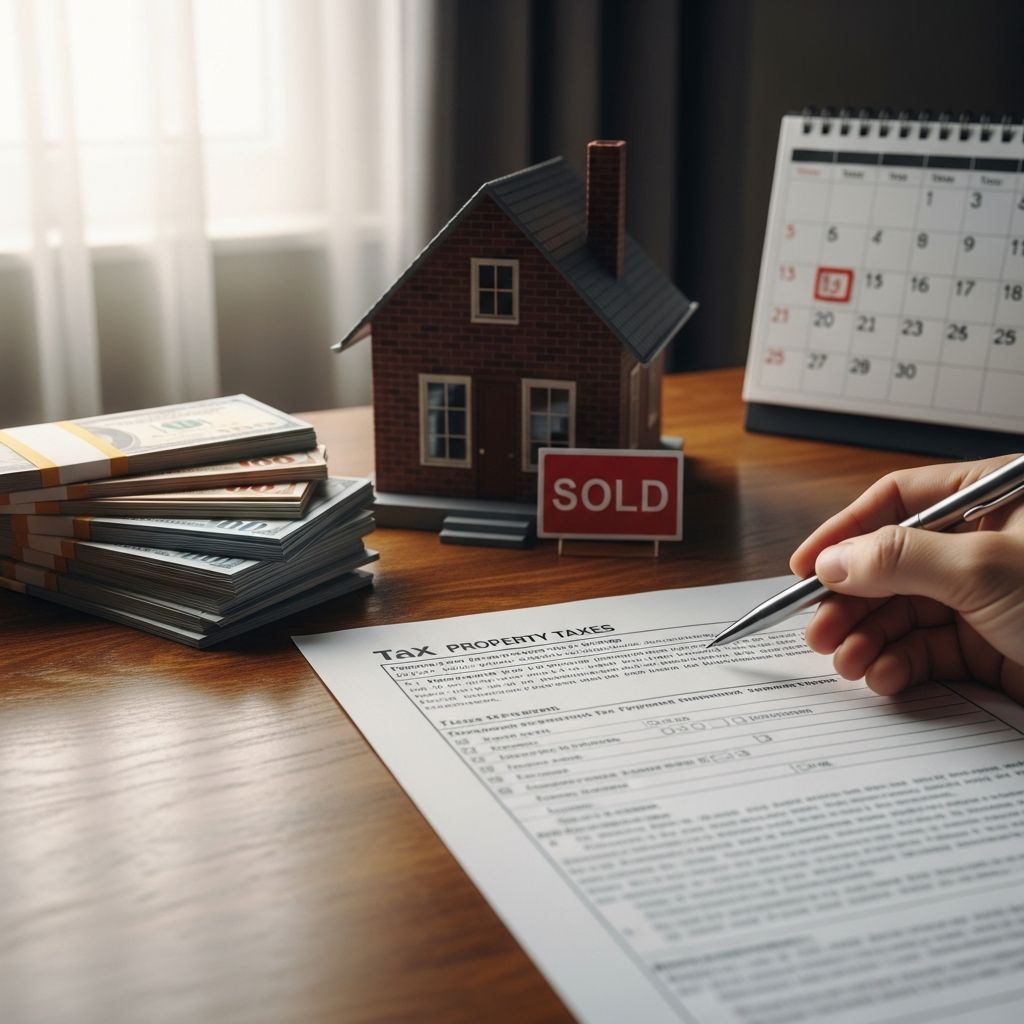
Buying a home comes with ongoing costs, and one of the biggest is property tax. Understanding how often you pay property tax, how bills are calculated, and how payment schedules work can help you budget confidently and avoid expensive penalties.
Whether you already own a home or are planning to buy one, knowing when and how property taxes are paid is essential to keeping your finances on track and protecting your property.
What Is Property Tax?
Property tax is a recurring tax that local governments charge on real estate, such as a house, condo, or land. These taxes help fund public services like schools, roads, parks, and emergency services in your community.
Property tax is generally based on two main factors:
- The assessed value of your property (land plus buildings)
- The local property tax rate set by your city, county, school district, or other taxing authorities
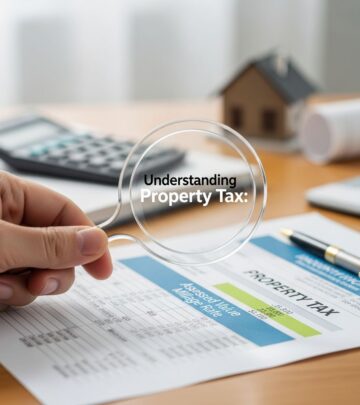
Your property tax bill is typically calculated by multiplying the assessed value by the tax rate. In formula form:
Property Tax = Assessed Value × Tax Rate
Local assessors periodically determine the value of your property for tax purposes, and that valuation, combined with the tax rate, produces the amount you owe each year.
How Often Do You Pay Property Tax?
In most parts of the United States, property tax is calculated annually, but the way you pay it can vary:
- Annually – once per year
- Semiannually – in two installments during the year
- Quarterly – four times per year in some locations
- Monthly (indirectly) – through your mortgage escrow payment
Local governments typically issue property tax bills once a year, and homeowners may be allowed to pay in one lump sum or in scheduled installments.
Common Payment Schedules
Here are some of the most common ways property tax payments are scheduled in the U.S.:
| Payment Pattern | How Often You Pay | Typical Arrangement |
|---|---|---|
| Annual | Once a year | One bill due on a specific date; some states allow a single payment for the full amount. |
| Semiannual | Twice a year | Two installments during the fiscal year, often in the fall and spring. |
| Quarterly | Four times a year | Less common; some localities use quarterly billing to spread out payments. |
| Monthly via escrow | Every month | Your mortgage lender collects 1/12 of the annual tax bill with your mortgage payment and pays the tax when due. |
Do You Pay Property Taxes Monthly or Yearly?
The short answer is: property taxes are billed yearly, but you might experience them monthly if you use an escrow account.
Paying Property Tax Directly
If you do not have an escrow account with your mortgage lender, you typically pay property tax by:
- Receiving a tax bill once a year from your local tax authority
- Paying in one lump sum or in two scheduled installments, depending on your location
- Submitting payment by mail, in person, or online through your local tax office
For example, in many counties in California, secured property tax bills are mailed in October, with the first installment due November 1 and the second installment due February 1.
Paying Property Tax Through Escrow
If you have a mortgage, your lender may require you to use an escrow account (also called an impound account). Here is how it works:
- Each month, your mortgage payment includes:
- Principal and interest on the loan
- An extra amount for property taxes and homeowners insurance
- The lender deposits the tax portion into your escrow account.
- When the property tax bill is due, the lender pays the full amount directly to the tax authority on your behalf.
In this case, you are effectively paying your property tax monthly, but the actual tax authority is still paid annually or semiannually.
How Property Tax Bills Work
To understand how often you pay property tax, it helps to know how your bill is created and processed.
Assessment and Valuation
Local government assessors determine the value of your property at regular intervals, such as annually or every few years. The assessed value can be based on:
- Recent sales of similar homes
- Improvements or additions made to your property
- Local rules limiting how quickly assessed values can rise
After your home is assessed, the local tax rate (sometimes called a millage rate) is applied to calculate your yearly property tax bill.
Tax Year vs. Calendar Year
Your property tax may follow a fiscal year instead of the calendar year. For example, in California the property tax fiscal year runs from July 1 to June 30, with bills mailed in October and payments typically split into two installments.
Bill Delivery and Due Dates
Although exact dates vary by area, a typical property tax timeline for many U.S. homeowners looks like this:
- Bill mailed: Often in the fall (e.g., October)
- First installment due: Late fall (e.g., November)
- Second installment due: Late winter or early spring (e.g., February or April)
If you pay through escrow, your lender receives the bill and handles the payments using the money collected from you each month.
How Often Are Property Taxes Paid With a Mortgage?
When you have a mortgage, the frequency of your property tax payments depends on whether you use an escrow account or pay taxes yourself.
With an Escrow Account
Most lenders prefer or require escrow for property taxes because it reduces risk that the taxes go unpaid. In this setup:
- You pay a portion of your annual property taxes every month as part of your mortgage payment.
- Your lender stores these funds in an escrow account.
- The lender pays your property taxes directly when they are due.
This gives many homeowners a more predictable monthly payment and reduces the chance of missing a tax deadline.
Without an Escrow Account
If your lender does not require escrow or you have paid off your mortgage, you are responsible for paying property taxes directly. In that case, you need to:
- Track when your tax bills are issued and due
- Set aside money throughout the year to cover the bill
- Pay the full amount by the deadline to avoid penalties
Depending on your locality, you may be allowed to pay in full once per year or split the bill into multiple installments.
What Affects How Much Property Tax You Pay?
How often you pay property tax is important, but so is how much you pay. Several factors influence the size of your bill:
- Assessed value of your home: Higher property values generally lead to higher tax bills.
- Local property tax rate: Each city, county, and school district sets its own rate, which can vary significantly across regions.
- Exemptions and credits: Some homeowners may qualify for exemptions (e.g., homestead, senior, disability, or veteran exemptions) that reduce taxable value.
- Special assessments or levies: Additional charges for things like local improvements, schools, or infrastructure projects can be added to your bill.
- Changes in local budgets: If voters approve new bonds or local governments increase funding for services, tax rates may increase.
How to Budget for Property Tax Payments
Because property taxes can be one of your largest annual expenses, planning ahead is critical.
Estimate Your Annual Property Tax
Start by finding your most recent property tax bill or looking up your property tax information online through your local tax authority. Note the total amount due for the year.
If you are thinking about buying a home, you can usually estimate annual property taxes based on:
- The listed property tax amount on real estate listings
- Local average tax rates applied to the expected purchase price
Break It Down by Month
Once you know the annual amount, divide it by 12 to understand the monthly cost. Even if you pay once or twice a year, thinking in monthly terms helps you budget more effectively.
For example, if your annual property tax bill is $3,600, that equals $300 per month.
Create a Property Tax Sinking Fund
If you do not have an escrow account, consider setting up a dedicated savings account as a sinking fund for property taxes:
- Calculate your monthly savings target (annual bill ÷ 12).
- Set up an automatic transfer each month into this account.
- Use the saved funds to pay your tax bill when it is due.
This approach mimics the predictability of an escrow account while giving you control over where your savings are held.
Plan for Changes in Your Tax Bill
Your property tax is not fixed forever. It can change due to reassessments, improvements, or updated tax rates. To stay prepared:
- Review your property tax bill each year for changes.
- Adjust your monthly savings if the annual amount increases or decreases.
- Keep an eye on local elections and measures that may affect property tax rates.
What Happens If You Pay Property Tax Late?
Missing a property tax deadline can be costly. Local governments usually impose:
- Late payment penalties – often a percentage of the unpaid amount
- Interest charges – ongoing interest on overdue taxes
- Fees – additional administrative costs or fixed charges
For example, in many California counties, a 10% penalty is added to a late installment, and further penalties accrue if the bill remains unpaid after the fiscal year ends.
If property taxes stay unpaid for an extended period, the tax authority may place a lien on your property and, in severe cases, can eventually move toward a tax sale. Staying current on property taxes is essential to protect your home ownership.
Tips to Avoid Missing Property Tax Payments
To make sure you never miss a property tax due date:
- Use calendar reminders: Mark all relevant due dates on your calendar and set reminders a few weeks in advance.
- Sign up for electronic alerts: Many tax offices offer email or text reminders when bills are issued.
- Automate savings: Use automatic transfers to build your property tax fund throughout the year.
- Confirm escrow details: If you pay through escrow, review your mortgage statements to ensure enough is being collected.
- Pay early when possible: Some states offer small discounts for paying property taxes early, which can lower your overall cost.
Frequently Asked Questions (FAQs)
Q: How often do you pay property tax?
A: Property tax is usually calculated once per year. Depending on your location, you may pay it in a single annual payment, in two semiannual installments, or in other scheduled installments. If you use an escrow account with your mortgage, you effectively pay property tax monthly as part of your mortgage payment.
Q: Do I pay property tax monthly with a mortgage?
A: If your mortgage uses an escrow account, your lender collects 1/12 of your estimated annual property tax each month and holds it in escrow. The lender then pays your property tax bill when it is due. You are paying monthly, but the tax authority is paid annually or semiannually.
Q: When do you start paying property taxes on a new home?
A: You begin paying property tax for the portion of the tax year in which you own the home. At closing, the buyer and seller usually settle how much of the current year’s tax each person is responsible for. After that, you will receive your own property tax bills or pay through escrow, depending on your mortgage arrangement.
Q: Can I choose to pay my property tax once a year instead of monthly?
A: If you do not have an escrow requirement with your lender or you own your home outright, you can typically choose to pay your tax bill according to your local schedule. That may mean paying the entire amount once per year or in two installments. Check with your local tax authority to see your options.
Q: What if I never received my property tax bill?
A: In many jurisdictions, you are still responsible for paying property taxes even if you did not receive a bill. If a bill does not arrive when expected, contact your local tax collector’s office or check their online portal to look up your account and request a copy.
Q: Are property taxes the same every year?
A: Property taxes can change from year to year. Your bill may increase or decrease based on changes in your home’s assessed value, updated local tax rates, or changes in exemptions or credits you qualify for. Reviewing your bill annually and adjusting your budget is important.
References
- When Do You Start Paying Property Taxes On a New Home? — Hippo Insurance Services. 2023-04-18. https://www.hippo.com/learn-center/when-do-you-start-paying-property-taxes
- Property Tax Due Dates in California: Key Dates for Homeowners to Remember — County Tax Consulting. 2023-02-15. https://ctccal.com/blog/property-tax-due-dates-in-california-key-dates-for-homeowners-to-remember
- California Property Tax Calendar — Escrow of the West. 2022-08-01. https://escrowofthewest.com/california-property-taxes-calendar/
- Secured Property Tax Billing and Due Dates — Los Angeles County Treasurer and Tax Collector. 2023-10-01. https://countytreasurer.org/secured-property-tax-billing-and-due-dates
- Secured Property Taxes FAQs — Los Angeles County Treasurer and Tax Collector. 2022-11-01. https://ttc.lacounty.gov/wp-content/uploads/2019/05/SECURED-PROPERTY-TAXES-FAQS.pdf
- Property Tax Deadlines by State — Ryan, LLC. 2024-01-05. https://ryan.com/practice-areas/property-tax/tax-calendar/
- Property Tax Function Important Dates — California Tax Service Center. 2024-01-02. https://taxes.ca.gov/other-taxes-and-fees/property-tax-function-important-dates/
Similar Articles








Read full bio of medha deb