How Much to Tip: Complete Guide to Tipping Etiquette
Master tipping etiquette with our comprehensive guide to appropriate amounts across all service industries.
How Much to Tip: A Comprehensive Guide to Tipping in Every Situation
Tipping has become an increasingly important part of service industry transactions, yet many Americans find themselves confused about when to tip and how much to offer. Modern tipping culture has evolved significantly, with digital payment systems making it easier than ever to add gratuities at checkout. Understanding proper tipping etiquette helps service workers while also allowing you to feel confident in your financial decisions. This comprehensive guide covers tipping expectations across various industries and situations.
Understanding Modern Tipping Culture
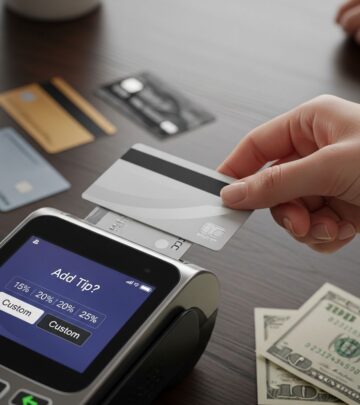
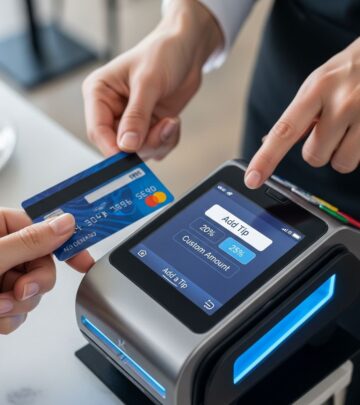
Tipping expectations have shifted considerably over recent years. According to recent surveys, more than one-third of Americans believe tipping culture has gotten out of control, yet the practice continues to expand into new service categories. Payment apps and touch screens at cash registers have made it easier for businesses to request tips, often automatically suggesting amounts of 15%, 20%, or 30%. These requests now appear in places ranging from coffee shops and grocery stores to mechanics and other unexpected venues.
Despite concerns about tip creep, many workers in the service industry rely on gratuities as a significant portion of their income. When deciding whether and how much to tip, consider the personal nature of the transaction, the time spent providing service, and the quality of work performed.
Restaurant Tipping Guidelines
Sit-Down Restaurants
For traditional sit-down restaurant meals, the standard tipping recommendation is 15% to 20% of the pretax bill. Industry experts suggest that even if you experience poor service, you should leave at least 10% as a baseline. The percentage should be calculated before taxes are added to your bill, making the math simpler and more consistent.
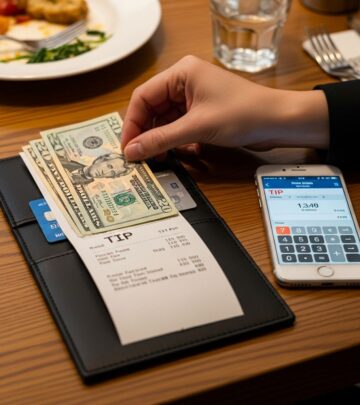
When calculating your tip, multiply your pretax subtotal by 0.15 for a 15% tip or 0.20 for a 20% tip. Many people use their phone’s calculator or mental math to arrive at these figures quickly.
Fast Casual and Quick Service Restaurants
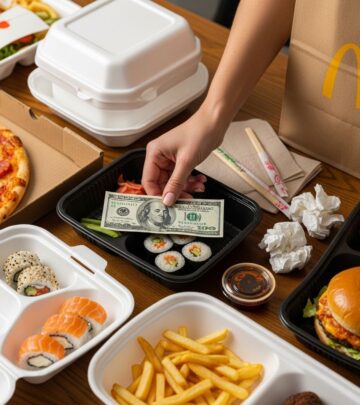
At fast casual establishments where you order at a counter and may or may not receive table service, tipping is optional but appreciated. A small tip of $1 to $2, or 10% if you’re using a card, is appropriate for takeout orders. However, if you place a particularly large order, leaving something for the workers is a nice gesture.
Coffee Shops, Bakeries, and Casual Eateries
At coffee shops, there is no obligation to leave a tip for your barista, though it is certainly appreciated. If you’re a regular customer or have placed a special order requiring extra work, leaving some money would be welcomed. The same principle applies to other situations where a tipping jar is set out, such as at ice cream stands, sandwich shops, or bakeries. Many people leave $0.50 to $2 depending on the complexity of their order and their relationship with the establishment.
Bar and Nightlife Tipping
The expectation at bars differs from restaurants due to the nature of the work involved. The standard recommendation is to tip $1 per drink for beer or wine, and $2 per cocktail, which requires more preparation and skill to make properly.
If you’re attending an open bar event where drinks are complimentary, plan on tipping at least one dollar for every drink you order. If you know in advance that you’ll be ordering multiple drinks throughout the evening, consider leaving a larger tip at the beginning of your visit rather than a small amount with each order. This approach often results in better service and is appreciated by bartenders.
Food Delivery Services
When ordering food delivery, you should absolutely tip the driver. The recommended range is 10% to 20% of your total order. Financial experts suggest that for food delivery, you should tip either $5 or 20% of the bill, whichever is greater. This ensures adequate compensation for drivers who use their own vehicles and gas to bring your meal to your door.
For pickup orders where you retrieve the food yourself from a restaurant, leaving a tip is not expected but is a nice gesture, especially if you placed a large order that required additional preparation time.
Salon and Spa Services
For hairdressers, nail technicians, massage therapists, and other spa workers, a 15% to 20% tip is recommended. If you received exceptional service or results, consider tipping on the higher end of this range or even exceeding 20%. Many salon professionals count on tips as part of their regular income, making gratuities important to their financial stability.
Rideshare and Taxi Services
Guidance on tipping for taxi and rideshare services like Uber or Lyft varies slightly depending on the source, but it’s generally recommended to tip anywhere from 10% to 20% of the fare. Calculate the tip based on what you paid for the ride, and consider factors such as traffic conditions, driving courtesy, and vehicle cleanliness when determining the exact amount.
Hotel Tipping Expectations
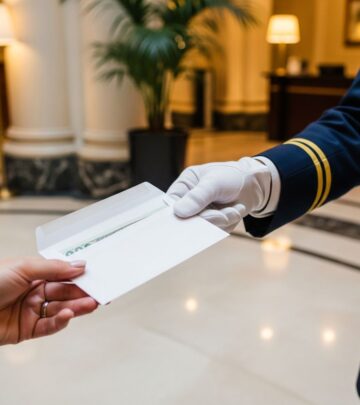
Hotel tipping can become complex due to the multiple service elements involved in a stay. Different hotel staff members typically warrant different gratuities:
Bellhops and Porters: Tip $2 to $5 per bag handled, with higher tips appropriate for luxury properties.
Housekeeping: Leave $2 to $5 per night on your pillow or nightstand, or more depending on the hotel’s star rating and the complexity of your room.
Room Service: Treat room service gratuities similar to restaurant tips. Consider giving 20% of the meal cost to the waitstaff. If gratuity is already added to your room service bill, adding an additional 10% is a nice gesture.
Valet Services: Tip $2 to $5 when your car is retrieved.
Holiday and Annual Tipping
Holiday tipping presents unique opportunities to show appreciation to service providers you interact with regularly throughout the year. A common practice is to tip the cost of one regular service visit. For example, if your housekeeper normally charges $100 per visit, tipping that amount at year’s end is appropriate.
For non-transactional relationships, such as with your child’s teachers, you can predetermine the value of a gift card or treat you want to provide. By planning ahead and including these costs in your annual budget, you can avoid financial stress when tipping time arrives.
Cash Versus Card Tipping
There is no financial disadvantage to adding gratuity to a debit or credit card rather than tipping in cash. However, if you have cash available, it may be the better option for the person you’re tipping. People who receive tips via credit or debit card frequently don’t see that money until the end of their pay period, while cash tips are immediately available.
Many European venues and older establishments may not have card tipping options, making cash the only viable option in those situations. Plan ahead and have cash available when visiting establishments where card processing may be unavailable.
Creating a Tipping Budget
One effective strategy for managing tipping expenses is to include tips in your regular budget. Consider adding approximately 20% on top of any budget categories where tipping is standard, including dining out, personal care services, and travel. When you plan for tipping expenses in advance, you can be prepared to tip workers without feeling like you’re overspending or going into debt.
If the cost of a meal or service plus the tip amount exceeds your budget, it’s perfectly acceptable to decline the purchase or find more affordable alternatives. Only visit businesses where you’re willing and able to provide appropriate gratuities.
Personalizing Your Tipping Decisions
While tipping etiquette provides guidelines, how much you ultimately tip is a personal decision. Consider factors such as how personal the transaction was, how long the service took, and the quality of service provided. Before heading into a restaurant reservation or appointment, take a moment to consider your tipping intentions. You can even ask friends and family members who work in service industries about their expectations.
Knowing your tipping plan in advance helps you feel prepared and confident when the bill comes, avoiding feelings of annoyance or guilt during the payment process.
When Tipping Is Optional or Inappropriate
Not every transaction requires a tip. At self-service establishments like fast food restaurants, laundromats, or self-checkout grocery stores, tipping is not expected. Similarly, when you pick up a takeout order yourself, tipping is optional though appreciated. At places where service is minimal or absent, such as at a vending machine or gas station pump, tipping is not applicable.
Navigating Tip Screen Fatigue
Many consumers report frustration with the increasing prevalence of tip screens at checkout. Recent data indicates that 27% of Americans say they tip less or not at all when presented with pre-entered tip screen suggestions. Understanding that you have the option to decline or modify suggested tip amounts can help you stay true to your budget and values.
Some consumers report always tipping the same amount regardless of service quality, while others adjust their tips based on their experience. Find an approach that aligns with your personal philosophy about tipping.
Frequently Asked Questions About Tipping
Q: What if I receive poor service?
A: Even with poor service at a sit-down restaurant, it’s recommended that you leave at least 10% as a baseline tip. If the service was exceptionally bad, you can tip less or speak with management, but completely avoiding a tip should be reserved for truly egregious situations.
Q: Should I always use the suggested tip amounts on card readers?
A: No. The suggested amounts are just recommendations. You can adjust them to match your preferred tipping percentage or the guidelines in this article. You maintain control over how much you tip.
Q: Is tipping expected in other countries?
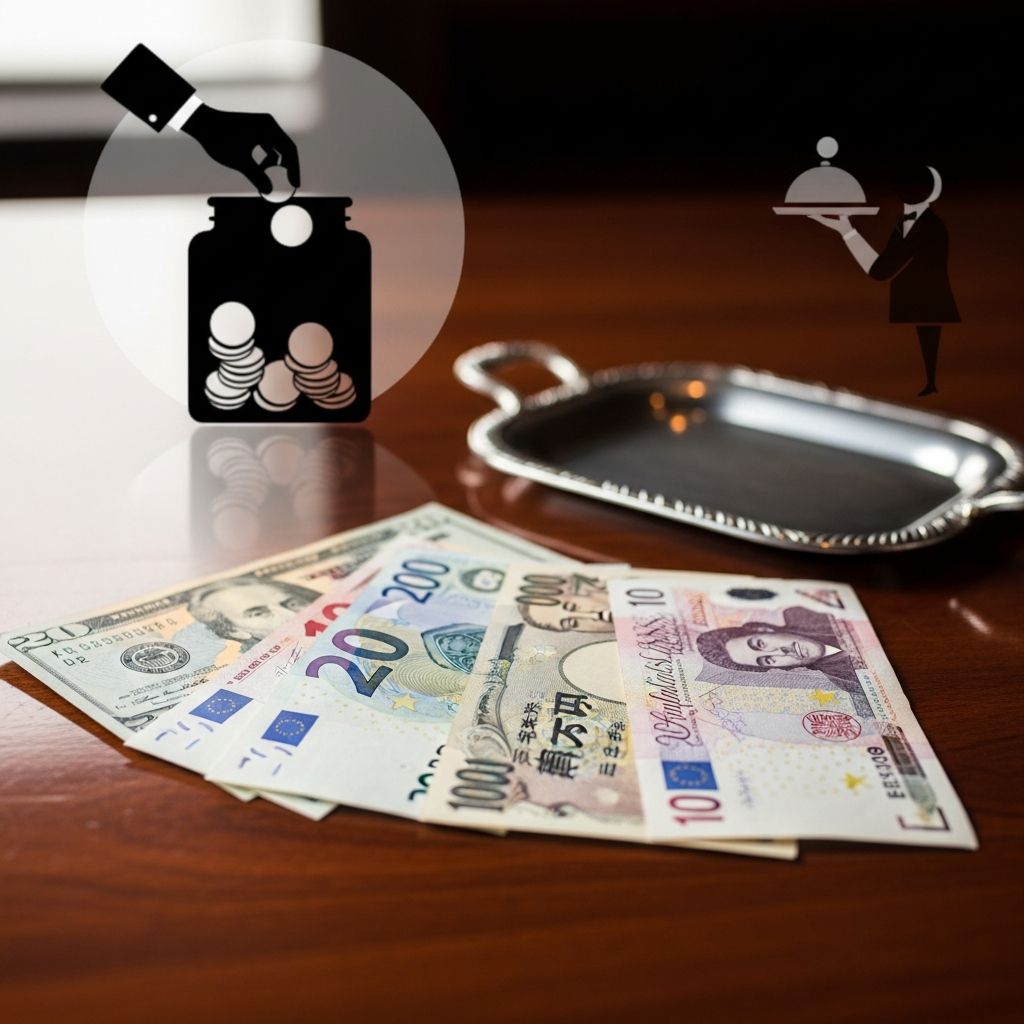
A: Tipping customs vary significantly by country. In many European countries, 5% is adequate and 10% is considered generous. In some countries, service is included in the bill. Always research local customs before traveling.
Q: Can I tip on a credit card?
A: Yes, but service workers may not receive that money immediately. If possible, tipping in cash allows workers to have the money right away.
Q: What’s the standard default tip percentage?
A: If you’re uncertain what to tip, 20% is a safe default recommendation for most service situations. This covers most standard scenarios appropriately.
Q: How can I budget for tips effectively?
A: Include a line item in your budget for tipping (approximately 20% of dining and service expenses). For annual tips, budget the cost of one service visit for regular service providers. This prevents surprise expenses.
References
- Guidelines on How Much to Tip By Industry — Synchrony. 2025. https://www.synchrony.com/blog/bank/tips-on-tipping-guidelines
- The Money Saver’s Guide to Tipping — The Week. 2025. https://theweek.com/finance/1024838/personal-finance-the-money-savers-guide-to-tipping
- Confused About Tipping? When Experts Say You Should and Shouldn’t Tip — Scripps News. 2025. https://www.scrippsnews.com/life/money/confused-about-tipping-when-experts-say-you-should-and-shouldnt-tip
- Survey: More Than 1 in 3 Americans Think Tipping Culture Has Gotten Out of Control — Bankrate. 2024. https://www.bankrate.com/credit-cards/news/tipping-culture-survey-2024/
- Survey: 4 in 5 Tippers Just Want to Say Thank You This Holiday Season — Bankrate. 2024. https://www.bankrate.com/credit-cards/news/holiday-tipping-survey/
- Tipping in Europe by Rick Steves — Rick Steves’ Europe. 2024. https://www.ricksteves.com/travel-tips/money/tipping-in-europe
Similar Articles








Read full bio of Sneha Tete