How Much To Save For A Baby: Smart Money Planning
A practical guide to baby costs, savings goals, and money strategies to confidently prepare your finances for a new child.

Preparing for a baby is exciting, emotional, and often a little overwhelming—especially when it comes to money. Understanding how much to save for a baby and which expenses to plan for can help you welcome your child with more confidence and less financial stress.
This guide mirrors the major topics covered in Clever Girl Finance’s article on preparing for a baby and expands them into a detailed, SEO-friendly resource you can use to plan your finances step-by-step.
What I Did To Save For Twin Babies
Every family’s numbers are different, but the core strategy for preparing financially is similar whether you are having one baby or multiples. With twins, the biggest lesson is that planning early matters. Doubling many of the costs means you need to be even more intentional about budgeting, saving, and avoiding unnecessary debt.
Here are some practical steps many parents of twins (or singletons) find helpful:
- Building a dedicated baby fund months before the due date.
- Separating one-time setup costs (like nursery furniture) from ongoing monthly costs (like diapers and childcare).
- Practicing living on a reduced income during pregnancy so the shock of maternity leave or new childcare bills is smaller later.
- Using registries, hand-me-downs, and secondhand buys intentionally to reduce big-ticket and duplicate purchases.
The earlier you start planning, the more flexibility you’ll have to make choices that match your family’s values and your financial situation.
How Much Do You Need To Save For A Baby?
There is no single “correct” number that every parent must save. However, there are useful rules of thumb to guide your planning.
Emergency fund target
Many financial experts recommend having an emergency fund of at least 3 to 6 months of living expenses before major life changes, including having a baby. This fund helps cover unexpected medical costs, income gaps, or urgent home and car repairs without relying on high-interest debt.
Baby-specific savings goal
On top of your emergency fund, it is helpful to have a separate baby fund for one-time and early costs such as nursery items, a car seat, stroller, and initial medical and postpartum expenses. A common starting target is:
- $5,000–$10,000 earmarked for baby-related costs, depending on what you already own, your insurance coverage, and your local cost of living.
If that number feels out of reach, focus on building a smaller starter fund, then automate monthly contributions so the amount grows over time.
Estimating ongoing monthly costs
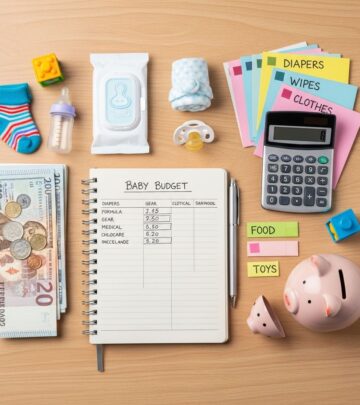
Your baby budget should also include a realistic estimate of monthly costs during the first year. While amounts vary by region and lifestyle, typical recurring expenses include diapers, wipes, formula or extra food, clothing, healthcare, and childcare.
| Expense Category | Approximate Monthly Range (USD) | Notes |
|---|---|---|
| Diapers | $70 – $80 | Varies by brand and frequency of changes. |
| Wipes | $20 – $30 | Buying in bulk can lower costs. |
| Laundry Supplies | ~$20 | Extra loads for baby clothes and linens. |
| Formula/Baby Food | $150 – $200 | Depends on whether you formula feed, breastfeed, or combine. |
| Clothing | $50 – $100 | Babies grow quickly; secondhand can reduce this. |
| Cleaning Supplies | ~$20 | Includes extra cleaning products and sanitizing items. |
| Health Insurance & Medical | $400 – $700+ | Premium difference plus copays and prescriptions; varies by plan. |
| Childcare | $1,100 – $1,500+ | U.S. averages vary widely by state and age of child. |
| Emergency & Future Savings | $40 – $200+ | Additional savings for unexpected costs and education. |
These ranges are estimates, not strict rules. Use them as a starting point and adjust based on your income, location, and preferences.
15 Key Tips To Save Money For A Baby
The original article outlines 15 core strategies to save for a baby. Below, each tip is expanded with actionable guidance to help you put it into practice.
1. Adjust Your Budget To Include Baby Expenses
Begin by updating your existing household budget to account for a new child.
- List current monthly expenses (housing, utilities, food, debt, transportation, etc.).
- Add estimated baby costs (diapers, formula, medical, childcare) using a baby budget worksheet or spreadsheet.
- Identify areas where you can reduce spending (subscriptions, dining out, impulse shopping) and redirect that money into your baby fund.
Testing your updated budget a few months before the baby arrives lets you refine it before expenses become non-negotiable.
2. Start Saving For Immediate Baby Costs
Even with help from friends and family, there are essential items and services you will need to pay for quickly after birth.
- Set up a separate high-yield savings account labeled “Baby Fund” and automate monthly transfers.
- Save for one-time purchases such as a safe car seat, crib, mattress, stroller, and basic baby gear.
- Plan for postpartum expenses, including supplies for the birthing parent and potential support such as a lactation consultant or postpartum doula, depending on your budget.
Having cash ready when you need to make these purchases helps you avoid leaning on credit cards.
3. Practice Living On One Income (Or A Reduced Income)
If one partner plans to take unpaid or partially paid leave, or if childcare will significantly change your cash flow, practice your new budget early.
- Temporarily live as if one paycheck or a portion of your income has disappeared.
- Send the “extra” money you are not using to savings each month to build your emergency and baby funds.
- Use this trial period to see where you feel squeezed and where you can comfortably cut back.
This approach turns an uncertain future into a real-time test, giving you data to fine-tune your budget.
4. Plan For Long-Term Baby Expenses
Baby costs do not end after the first year—they evolve. Planning ahead for these future needs can protect your long-term financial goals.
- Budget for school-related costs (supplies, activities, sports, childcare during holidays).
- Consider opening a 529 college savings plan or similar education account to grow funds tax-advantaged over time.
- Review your retirement contributions and investment goals so your child’s costs do not derail your long-term financial security.
Even small monthly contributions to education or long-term savings can add up significantly over 18+ years.
5. Review Your Maternity Leave And Insurance Coverage
Understanding your income and healthcare coverage during pregnancy, birth, and postpartum is critical.
- Ask HR for written details about maternity, paternity, and parental leave: length, pay percentage, and eligibility.
- Check whether your employer offers short-term disability benefits that partially replace income during recovery.
- Review your health insurance plan’s coverage for prenatal care, labor and delivery, newborn care, and out-of-pocket maximums.
Use these details to estimate income gaps and medical costs and incorporate them into your savings plan.
6. Hold Off On Baby Shopping Until After Your Baby Shower
It is easy to overspend when you are excited about your baby. Waiting until after your shower to buy non-essentials can save you a lot of money.
- Create a registry focused on essentials and big-ticket items.
- After the shower, review what you actually received and only then purchase remaining needs.
- Avoid stocking up on too many clothes in one size; babies grow quickly.
This strategy reduces duplicates and gives friends and family a chance to contribute meaningfully.
7. Update Your Life Insurance Policy
When you become a parent, someone else depends on your income and caregiving. Life insurance helps protect your family if something happens to you.
- Review existing life insurance coverage through your employer and any private policies.
- Consider buying or increasing term life insurance to cover income replacement, mortgage or rent, and key goals like education.
- Both parents, including stay-at-home parents, may need coverage since caregiving has significant economic value.
Term life insurance is often the most cost-effective option for young families.
8. Create Or Revise Your Estate Plan
An estate plan is not only for people with high net worth; it is a key tool to protect your child legally and financially.
- Create or update your will to name a guardian for your child in case both parents die or become incapacitated.
- Review beneficiary designations on life insurance policies, retirement accounts, and other assets so they align with your wishes.
- Discuss whether a trust is appropriate for managing assets for your child until adulthood.
These documents ensure your child is cared for according to your preferences rather than leaving decisions solely to the courts.
9. Become A Savvy Shopper
Smart shopping habits can significantly reduce day-to-day baby expenses.
- Use coupons, cashback apps, and rewards programs for diapers, wipes, formula, and groceries.
- Buy frequently used items in bulk once you know which brands work for your baby.
- Compare prices online and in-store, and sign up for alerts on major purchases like strollers or monitors.
Practicing these habits during pregnancy helps you hit the ground running when your baby arrives.
10. Plan For Emergency Expenses
Babies are unpredictable, and so are some of the costs that come with them.
- Keep building your 3–6 month emergency fund in a separate savings account.
- Include potential surprises such as extra medical tests, specialist visits, or temporary loss of income.
- Decide in advance what counts as an emergency (e.g., essential car repairs, medical bills) to avoid draining savings for non-urgent wants.
A dedicated emergency fund can be the difference between a manageable setback and high-interest debt.
11. Explore Flexible Spending Accounts (FSAs) And Health Savings Accounts (HSAs)
Tax-advantaged accounts can help reduce the cost of healthcare and childcare if they are available to you.
- Health FSAs allow you to use pre-tax dollars for eligible medical expenses for you and your dependents.
- Dependent Care FSAs let you pay for qualifying childcare expenses with pre-tax funds, up to annual limits.
- HSAs (for people with high-deductible health plans) allow triple tax advantages: tax-deductible contributions, tax-free growth, and tax-free withdrawals for qualified medical expenses.
Review your employer benefits during open enrollment and adjust contributions in anticipation of your baby’s arrival.
12. Explore Your Childcare Options Early
Childcare is often one of the largest ongoing costs in the early years, and options can fill up quickly.
- Research daycare centers, in-home providers, nannies, and family-care arrangements months in advance.
- Compare costs, hours, teacher-to-child ratios, and curriculum or care philosophies.
- Ask about waitlists, deposits, and any discounts (such as sibling discounts or prepayment options).
Understanding your options early allows you to align your childcare choice with both your budget and your values.
13. Consider Hand-Me-Downs And Use Free Resources
Not everything needs to be brand new. Thoughtful use of secondhand items can dramatically lower baby costs.
- Accept gently used clothing, books, and toys from friends and family.
- Check local parent groups, community boards, and non-profits for swaps or low-cost items.
- Be cautious with items that have safety concerns, such as car seats and cribs; always verify expiration dates and recall status using official safety guidance.
Focusing on safety while embracing secondhand finds gives you the best of both worlds: savings and peace of mind.
14. Start A Baby Registry Strategically
A registry is more than a wish list; it is a tool to prioritize your needs and guide loved ones who want to help.
- List essentials first: car seat, safe sleep space, basic clothing, feeding supplies, and diapers.
- Add a mix of price points so people with different budgets can participate.
- Consider including options like a diaper fund, gift cards, or contributions toward larger items or future childcare.
Revisit your registry periodically to remove items you no longer need and add items as you learn more about your preferences.
15. Reassess Your Debt Repayment Strategy
Adding a baby to your household can change how aggressively you should pay off debt.
- List all debts (credit cards, personal loans, auto loans, student loans) with balances, interest rates, and minimum payments.
- Before the baby arrives, consider paying down high-interest debt to free up future cash flow.
- Once baby-related expenses increase, you may temporarily switch from aggressive payoff to minimum payments plus small extra amounts while prioritizing liquidity.
The goal is balance: reduce costly debt while retaining enough savings to handle new and unexpected baby expenses.
Expert Tip: Start Saving Consistently For Your Baby – It Adds Up
Consistency matters more than perfection. Even modest automatic transfers can build a strong financial cushion over time.
- Set up automatic transfers from checking to your baby fund every payday, even if it is only a small percentage at first.
- Increase the amount whenever you get a raise, a bonus, or reduce another bill.
- Track your progress monthly so you can celebrate milestones and stay motivated.
Think of these savings as a gift to both your baby and your future self: less stress, more flexibility, and more space to enjoy your growing family.
How Much Money Should I Save Before Having A Baby?
While the precise number depends on your situation, several benchmarks can guide you.
- Aim for a fully funded emergency fund of 3–6 months of living expenses before or soon after your baby arrives.
- Save an additional amount to cover unpaid portions of maternity or parental leave, based on your employer policy and local laws.
- Build a baby fund for immediate needs such as gear, copays, and postpartum care; this may be several thousand dollars depending on your plan.
If you cannot reach these targets before the due date, do not panic. Use them as long-term goals and keep steadily working toward them while focusing on avoiding high-interest debt whenever possible.
How Much Savings Do You Need For A Baby?
Ultimately, the savings you need depends on your income, location, employer benefits, and lifestyle choices. Use these questions to refine your target:
- Housing: Will your housing costs change (e.g., a move, higher utilities)?
- Healthcare: What is your plan’s deductible and out-of-pocket maximum for maternity and newborn care?
- Childcare: Will one parent stay home, work part-time, or will you pay for daycare or a nanny?
- Debt & Goals: How much flexibility do you need to keep up with debt payments and long-term goals like retirement?
A reasonable framework for many families is:
- Emergency fund: 3–6 months of core living expenses.
- Baby fund: $5,000–$10,000 for baby-specific and medical costs, adjusted to your circumstances.
- Ongoing monthly capacity: room in your budget to absorb new recurring baby expenses without chronic reliance on credit cards.
Articles Related To Expanding Your Family
As you refine your plan, you may also want to learn more about:
- Creating a detailed baby budget and using baby budget worksheets.
- Understanding the main baby costs in the first year and how to manage them.
- General money tips for moms, from everyday budgeting to long-term planning.
Combining these resources with the strategies in this guide will help you build a financial plan that supports your growing family.
Frequently Asked Questions (FAQs)
Q: Is it possible to have a baby without a fully funded emergency fund?
A: Yes. While a 3–6 month emergency fund is ideal, many parents start with less and build it over time. The key is to understand your risks, avoid unnecessary new debt where possible, and steadily increase savings as your situation allows.
Q: How can I save for a baby if my income is limited?
A: Focus on small, consistent steps: track your spending, cut or downgrade non-essentials, use secondhand items, and automate even modest monthly transfers to a baby fund. Over time, these strategies add up and can still provide meaningful financial cushioning.
Q: Should I prioritize paying off debt or saving for my baby?
A: Many families aim for a balanced approach: build at least a starter emergency fund, then pay down high-interest debt while still contributing something to savings. Once the baby arrives, you may temporarily slow aggressive debt payoff to maintain adequate cash reserves.
Q: When should I add my baby to my health insurance?
A: In many countries, including the United States, you typically have a limited window (for example, 30 days from birth) to add your newborn to a health insurance plan as a qualifying life event. Contact your insurer or HR department in advance to confirm deadlines and required documents.
Q: Are 529 plans the best way to save for college?
A: 529 plans are a popular option because contributions grow tax-deferred and withdrawals for qualified education expenses are tax-free in many jurisdictions. However, they are not the only choice; compare them with other accounts based on your goals, tax situation, and local rules.
References
- Emergency Funds — Consumer Financial Protection Bureau. 2024-01-05. https://www.consumerfinance.gov/consumer-tools/educator-tools/resources-for-older-adults/emergency-funds/
- Building an Emergency Fund — FDIC Money Smart. 2023-06-15. https://www.fdic.gov/resources/consumers/money-smart/steps/bank/emergencies.html
- How to Create a Baby Budget — Clever Girl Finance. 2023-08-10. https://www.clevergirlfinance.com/baby-budget/
- Pregnancy and Newborn Care — U.S. Office of Personnel Management, HealthCare.gov (Combined Guidance). 2023-11-02. https://www.healthcare.gov/coverage/pregnancy-newborn/
- Maternity Care and Newborn Care Benefits — Centers for Medicare & Medicaid Services. 2023-05-19. https://www.cms.gov/CCIIO/Resources/Fact-Sheets-and-FAQs/maternity-newborn-coverage
- The Cost of Child Care — U.S. Department of Labor, Women’s Bureau. 2023-01-24. https://www.dol.gov/agencies/wb/topics/childcare
- Postpartum Care — American College of Obstetricians and Gynecologists. 2018-05-01. https://www.acog.org/clinical/clinical-guidance/committee-opinion/articles/2018/05/optimizing-postpartum-care
- 529 Plans: Questions and Answers — U.S. Securities and Exchange Commission. 2023-03-30. https://www.investor.gov/introduction-investing/investing-basics/education-savings/529-plans
- FMLA Frequently Asked Questions — U.S. Department of Labor. 2024-02-12. https://www.dol.gov/agencies/whd/fmla/faq
- Life Insurance — National Association of Insurance Commissioners. 2023-09-28. https://content.naic.org/consumer/life-insurance
- Estate Planning — American Bar Association. 2022-10-01. https://www.americanbar.org/groups/real_property_trust_estate/resources/estate_planning/
- Flexible Spending Accounts — Internal Revenue Service. 2024-01-10. https://www.irs.gov/pub/irs-pdf/p969.pdf
- Health Savings Accounts — Internal Revenue Service. 2024-01-10. https://www.irs.gov/publications/p969
- Crib Safety Tips — U.S. Consumer Product Safety Commission. 2023-09-05. https://www.cpsc.gov/Safety-Education/Safety-Education-Centers/cribs
Similar Articles








Read full bio of medha deb