How Much Money Should You Keep in Checking Account?
Discover optimal checking account balances to cover bills, avoid fees, and maximize interest earnings in 2026 banking landscape.
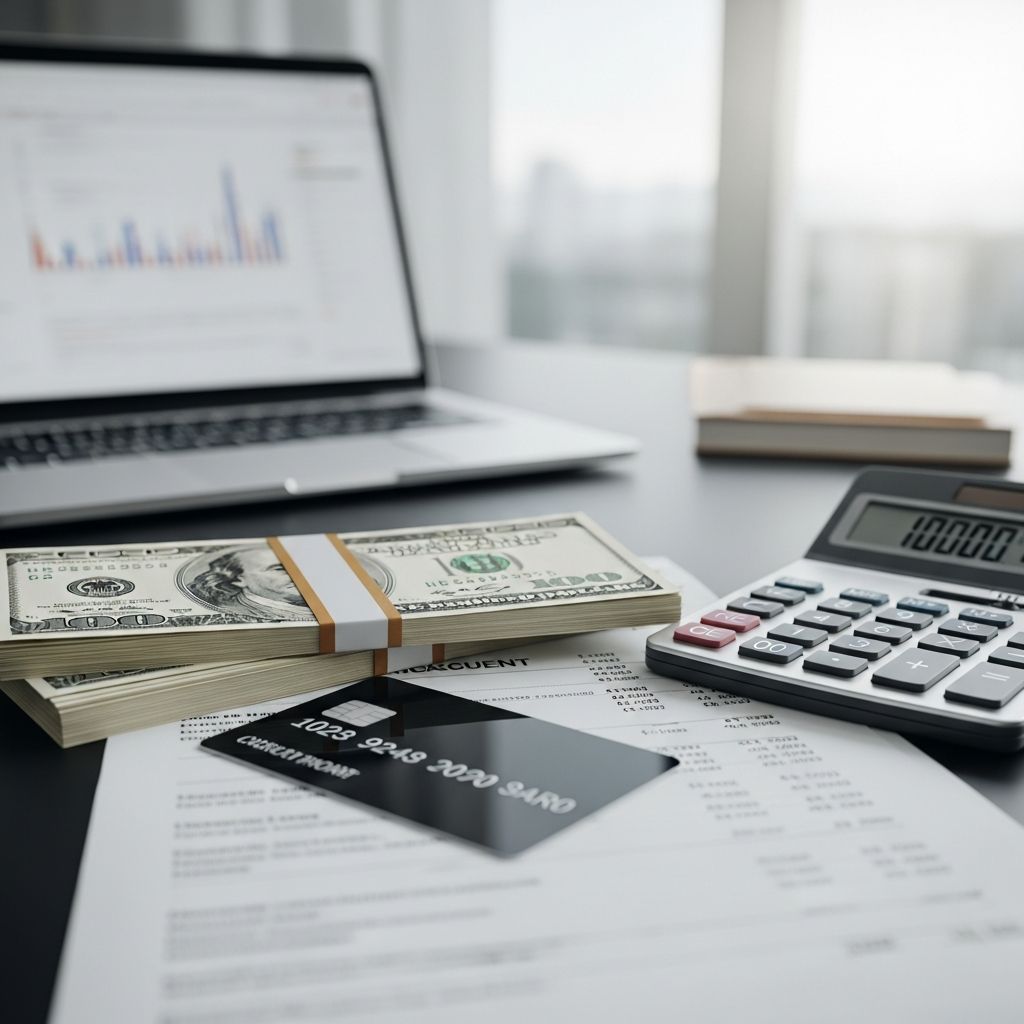
Maintaining the right balance in your checking account is crucial for financial stability. Too little money risks overdraft fees averaging $27-$35 per incident, while excess funds miss higher-yield opportunities elsewhere. In 2026, with national average interest checking rates at just 0.07% APY per FDIC data, strategic balancing becomes even more essential amid cooling Federal Reserve rates.
Why Checking Account Balance Matters
Your checking account serves as liquid cash for daily transactions, bill payments, and emergencies. However, average monthly maintenance fees hit $13.95 in 2026 surveys—equating to $167.40 annually—making fee avoidance paramount. Overfunding ties up money earning negligible returns compared to high-yield savings (up to 3.30% APY) or CDs.
Key factors influencing optimal balance:
- Monthly expenses: Cover 1-2 months’ bills to prevent shortfalls.
- Fee thresholds: Meet minimums to waive $13.95 average fees.
- Overdraft buffers: Accounts like Current allow $200 overdraft with $500 direct deposits.
- Interest potential: Top accounts pay 1.00%-3.30% APY with balance requirements.
General Guidelines for Checking Account Balances
Financial experts recommend keeping 1-2 months of essential expenses in checking. For average U.S. households spending $5,111 monthly (BLS data), this equals $5,000-$10,000. Adjust based on income frequency:
| Pay Frequency | Recommended Minimum | Rationale |
|---|---|---|
| Weekly | $1,250-$2,500 | Covers 1-2 weeks plus buffer. |
| Bi-weekly | $2,500-$5,000 | Bridges pay periods effectively. |
| Monthly | $5,000-$10,000 | Full cycle plus emergencies. |
Premium accounts suit higher balances with benefits like ATM reimbursements and higher APYs up to 5.00% at select credit unions on $25,000 caps.
Average Checking Account Balances in America
Recent surveys reveal median balances around $3,500-$5,000, with averages skewed higher by wealthy households. Daily float—pending transactions—adds 10-20% variability. In 2026, online banks like SoFi report users maintaining $1,500+ for 1.00% cash back rewards.
- National median: ~$3,200 (varies by age/income)
- Gen Z/Millennials: Lower (~$1,500) due to digital habits
- Boomers: Higher (~$8,000+) for security
Benefits of Keeping the Right Amount in Checking
Optimal balances yield multiple advantages:
- Fee avoidance: Waive $13.95/month by meeting direct deposit/minimums.
- Overdraft protection: No-fee buffers up to $200 (Current, SoFi).
- Interest earnings: 0.50%-3.30% APY beats 0.07% national average.
- Credit building: Debit usage reports to bureaus (Chime, Current).
- Cash flow efficiency: Frees capital for 4-5% savings rates.
Risks of Keeping Too Little Money in Checking
Insufficient funds trigger cascading costs:
- Overdraft fees: $27-$35 each, multiple per day possible.
- NSF charges: $30+ for bounced payments.
- Credit damage: Failed autopays hurt scores.
- Transaction denials: Current denies overdrafts without Overdrive qualification.
2026 survey: Overdrafts cost consumers $170/year on average alongside maintenance fees.
Risks of Keeping Too Much Money in Checking
Excess liquidity erodes wealth:
- Opportunity cost: 0.07% APY vs. 3-5% savings/CDs loses hundreds yearly on $10,000+.
- Inflation erosion: Cash loses 2-3% purchasing power annually.
- FDIC limits: $250,000 max protection per depositor.
- Temptation spending: Easy access fuels impulse buys.
Factors That Determine Your Ideal Checking Balance
Personalize based on:
- Income cadence: Bi-weekly needs exceed monthly.
- Bill schedule: Cluster due dates require buffers.
- Emergency fund: 3-6 months elsewhere; checking for 1 month.
- Account perks: SoFi’s $1,500 for rewards; Current’s deposit limits ($10k/month).
- Lifestyle: Frequent cash users need more (e.g., $500/transaction max).
High-Yield Checking Accounts: Earn More on Your Balance
Top 2026 options outperform averages:
| Account | APY | Requirements | Fees |
|---|---|---|---|
| SoFi Checking & Savings | 0.50% | Direct deposit | None |
| Current | Up to 4.00% Pods | $6k limit | No overdraft |
| Credit Unions | Up to 5.00% | $25k cap | Low |
Online accounts eliminate branches, cut costs, boost rates.
How to Calculate Your Ideal Checking Account Balance
Step-by-step:
- Sum monthly expenses (rent, utilities, groceries).
- Add 25-50% buffer for irregularities.
- Subtract auto-sweeps to savings.
- Factor fee waivers (e.g., $1,500 SoFi).
- Review quarterly; adjust for raises/changes.
Example: $4,000 expenses + $1,000 buffer = $5,000 ideal.
Alternatives to Traditional Checking Accounts
- Online-only: SoFi, Current—no fees, mobile-first.
- Premium: Higher APY, perks for $10k+ balances.
- Student: Fee-free, overdraft forgiveness.
- Cash management: Hybrid checking/savings with sweeps.
Common Checking Account Fees to Avoid
Average costs in 2026:
- Maintenance: $13.95/month
- Overdraft: $27-$35
- Cash deposit: $3.50 (Current)
- Paper statements: $2-$5
Strategies: Direct deposit, e-statements, no-fee accounts.
Frequently Asked Questions (FAQs)
What’s the ideal amount of money to keep in a checking account?
1-2 months’ expenses ($5,000-$10,000 average) balances liquidity and opportunity costs.
Do checking accounts earn interest?
Yes, top accounts pay 0.50%-5.00% APY vs. 0.07% national average, with requirements.
How much cash can I deposit into checking accounts like Current?
Up to $500/transaction, $1,000/day, $10,000/month; unlimited mobile checks.
Are there checking accounts with no fees?
Yes, SoFi, Current eliminate maintenance/overdraft fees with direct deposits.
Should I keep my emergency fund in checking?
No—limit to 1 month; park 3-6 months in high-yield savings for better returns.
References
- Current Checking Account 2026: Comprehensive Review — MoneyRates. 2026-01. https://www.moneyrates.com/checking/current-checking-review.htm
- Best Checking Accounts for January 2026 — MoneyRates. 2026-01. https://www.moneyrates.com/checking-account.htm
- What Is Required When Opening a Checking Account? — MoneyRates. 2026. https://www.moneyrates.com/personal-finance/find-best-checking-account.htm
- Checking Account Fees Survey 2026: Analyzing Averages and Trends — MoneyRates. 2026. https://www.moneyrates.com/research-center/bank-fees/
Similar Articles








Read full bio of Sneha Tete