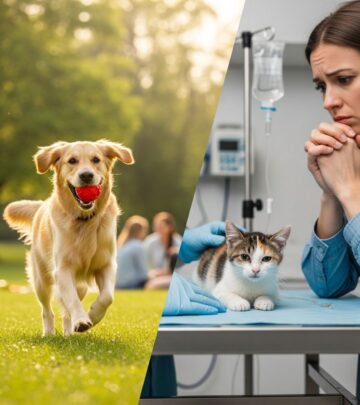
How Much Does Pet Insurance Really Cost?
Understand typical pet insurance costs, what drives your premium, and how to choose coverage that balances protection with affordability.

Pet insurance can be an effective way to manage the rising cost of veterinary care, but prices vary widely depending on your pet and the level of protection you choose. Understanding average costs and the factors that influence them can help you decide if coverage fits your budget and which type of plan makes the most sense.
Average Cost of Pet Insurance
Pet insurance premiums are usually charged on a monthly basis, although most companies also let you pay annually. Industry data show that in the U.S. the average monthly premium for a standard accident-and-illness policy is around $56 for dogs and $32 for cats. These averages assume midrange coverage levels and a relatively healthy pet.
When you include accident-only plans and high-limit comprehensive plans, typical price ranges look like this:
- Dogs: roughly $17–$101 per month, depending on coverage level and options.
- Cats: roughly $10–$62 per month, with cats generally costing less to insure than dogs.
- Most pet owners overall: often fall between $10 and $50 per month, or about $240–$600 per year, for typical coverage.
These figures are averages, not quotes. Your actual premium will be higher or lower depending on your pet’s characteristics, your location, and the coverage limits, deductible, and reimbursement percentage you select.
Average Monthly Cost by Species
Pet insurance pricing starts with the species you’re insuring. Dogs tend to have higher premiums than cats because they experience certain conditions and injuries more frequently and often require larger doses of medication, which raises claim costs.
| Pet type | Coverage type | Typical monthly range | Approximate national average |
|---|---|---|---|
| Dog | Accident-only | $17–$30 | ~$17 (basic accident-only) |
| Dog | Accident & illness | $30–$101+ | ~$56 (standard coverage) |
| Cat | Accident-only | $10–$20 | ~$10 (basic accident-only) |
| Cat | Accident & illness | $18–$62 | ~$32 (standard coverage) |
Note that these ranges typically assume a moderate deductible (for example, around $250), an 80% reimbursement level, and a middle-of-the-road annual coverage limit (such as $5,000).
How Pet Insurance Pricing Works
Pet insurance works on a reimbursement model. You pay the veterinarian directly, then submit a claim to your insurer, which reimburses you a percentage of eligible expenses after your deductible. The premium you pay is essentially the price for transferring a portion of potential vet costs to the insurer.
Insurers calculate premiums based on expected risk and potential claim size. To do this, they look at characteristics of your pet, your location, and the coverage options you choose. Each company uses its own risk model, so the same pet and coverage can be priced differently across insurers.
Factors That Affect Pet Insurance Cost
Although each company weighs factors differently, most premiums are driven by a similar set of variables.
Your Pet’s Species
The species of your pet has a major impact on price. Dogs usually cost more to insure than cats because of higher rates of accidents and certain conditions, plus their larger size can make treatments more expensive. Cats, which are often less prone to major injuries and some chronic diseases, usually have lower average claim costs and therefore lower premiums.
Breed and Size
Within each species, breed is one of the strongest predictors of cost.
- Large dog breeds may have higher premiums because they are at increased risk for joint problems, hip dysplasia, and certain orthopedic surgeries that are costly.
- Purebred dogs and cats can also be more expensive to insure than mixed breeds if they are known to have hereditary conditions, such as heart disease or specific cancers.
- Small breeds sometimes cost less, although some small dogs are prone to dental issues, patellar luxation, or tracheal problems that can raise expected claims.
Every insurer has its own rating system by breed, so the cost difference between breeds can be significant.
Age of Your Pet
Age is another major factor. Younger animals typically have lower premiums because they tend to be healthier and have fewer pre-existing conditions.
- Puppies and kittens are usually inexpensive to insure, though costs may rise as they age.
- Adult pets see moderate premium increases as the likelihood of chronic conditions grows.
- Senior pets can be considerably more expensive to insure. Many insurers charge higher rates, restrict new enrollments, or limit coverage options for older animals due to the higher probability of illness.
Some insurers automatically increase premiums each year as your pet moves into a higher age band.
Where You Live
Pet insurance is priced in part based on your ZIP code because veterinary costs vary by region. In metropolitan areas, clinics generally face higher overhead and wages, which can translate into higher vet bills. Higher local treatment costs lead to higher reimbursement amounts for insurers, and those costs are reflected in premiums.
Coverage Type
The type of coverage you select strongly influences your monthly payment.
- Accident-only: Covers injuries from accidents, such as broken bones, toxic ingestions, or bite wounds. These policies are typically the least expensive because they exclude illnesses.
- Accident and illness: Covers accidents plus a broad range of illnesses, from infections and allergies to chronic diseases like diabetes and cancer. This is the most common type of pet insurance and costs more than accident-only coverage.
- Wellness add-ons: Some insurers offer optional preventive-care packages for vaccinations, annual exams, flea and tick prevention, and dental cleanings. These add-ons usually increase your total premium but can smooth out routine costs.
Annual Coverage Limit
The annual coverage limit is the maximum amount your insurer will reimburse in a policy year. Plans with higher limits are more expensive because they expose the insurer to potentially larger payouts.
- Lower limits (for example, $2,500 or $5,000 per year) keep premiums more affordable but may not cover multiple large claims.
- Higher limits or unlimited coverage provide more financial protection, especially if your pet experiences a major surgery or long hospitalization, but premiums will be higher.
Deductible
The deductible is the amount you pay out of pocket before the insurance company begins reimbursing you.
- Higher deductibles (such as $500 or $1,000) usually mean lower monthly premiums, but you shoulder more of the cost when you file a claim.
- Lower deductibles (like $100 or $250) increase premiums but reduce the amount you pay at the time of treatment.
Some plans use annual deductibles, while others use per-incident deductibles; the structure can affect how much value you get from the policy in a year with multiple vet visits.
Reimbursement Percentage
Pet insurance usually reimburses a percentage of eligible vet bills after the deductible, commonly 70%, 80%, or 90%.
- Higher reimbursement (90%) provides greater protection against large bills but increases your monthly premium.
- Lower reimbursement (70%) keeps premiums down but leaves you responsible for a larger share of each claim.
Pre-Existing Conditions and Waiting Periods
Most pet insurance plans exclude pre-existing conditions, which are illnesses or injuries that began before coverage or during the waiting period. While this exclusion does not always change your introductory premium, it affects the value of the policy because ongoing treatments for those conditions may not be reimbursed.
Every policy also includes waiting periods between enrollment and when certain types of claims are eligible. Shorter waiting periods and more generous coverage terms can be reflected in higher premiums, depending on the insurer.
Is Pet Insurance Worth the Cost?
Whether pet insurance is worth the cost depends on your financial situation, risk tolerance, and your pet’s health profile. Veterinary care has become more advanced and, in many cases, more expensive. Surveys and analyses of pet spending show that vet bills can quickly reach hundreds or thousands of dollars for surgery, hospitalization, or long-term treatment.
Some considerations include:
- Budgeting for emergencies: A single unexpected operation or intensive care stay can often exceed what a typical household has set aside for pet care.
- Predictability: Paying a steady premium can make costs more predictable compared with facing unpredictable large bills.
- Peace of mind: Insurance may allow you to authorize needed treatment more quickly, without worrying as much about whether you can afford the full bill.
- Alternatives: Some owners prefer to self-insure by setting aside money in a dedicated savings account, but this approach requires discipline and time to build up a sufficient cushion.
Analyses of average veterinary spending suggest that in many cases, a few significant claims during a pet’s lifetime can outweigh the total premiums paid, particularly for pets that develop chronic conditions or need surgery.
Ways to Save on Pet Insurance
If you decide pet insurance is right for you but want to manage the cost, there are several strategies to consider:
- Compare multiple quotes: Because each insurer has its own pricing model, it is wise to get quotes from several companies using the same coverage limits and deductibles.
- Adjust coverage levels: Choosing a slightly higher deductible or a modestly lower annual limit can significantly reduce your monthly premium without eliminating important protections.
- Start coverage early: Enrolling pets when they are young may lock in lower premiums and avoid some pre-existing condition exclusions later on.
- Look for discounts: Some insurers offer discounts for insuring multiple pets, paying annually, or being a member of certain organizations.
- Review coverage periodically: As your pet ages or your financial situation changes, reassess your policy to ensure it still matches your needs and budget.
How to Choose a Pet Insurance Plan
Price is important, but it should not be the only factor when choosing a pet insurance plan. Consider the trade-offs between cost and coverage.
- Coverage breadth: Review what the policy includes and excludes, such as hereditary conditions, dental care, or behavioral treatments.
- Limits and sublimits: Check for per-incident or lifetime caps in addition to the annual limit, especially for chronic conditions.
- Claims process: Look into how claims are submitted, average reimbursement times, and whether direct vet payment is available in some cases.
- Customer reviews and financial strength: Reputable companies with strong financial ratings and positive customer feedback may be more reliable over the long term.
Because policy language can be complex, reading the sample policy or terms and conditions before purchase can help you avoid surprises when you need to file a claim.
Frequently Asked Questions (FAQs)
Q: How much does pet insurance usually cost per month?
A: Across the U.S., many pet owners pay between $10 and $50 per month, with averages around $56 for dogs and $32 for cats for standard accident-and-illness coverage, depending on the insurer and chosen options.
Q: Why is dog insurance more expensive than cat insurance?
A: Dogs generally face higher risks of accidents and certain conditions than cats and often need larger medication doses and more extensive treatments, which increases average claim costs and leads to higher premiums.
Q: Can I lower my pet insurance premium without losing essential protection?
A: Yes. Many owners reduce premiums by choosing a higher deductible, selecting a slightly lower annual coverage limit, or opting for a 70–80% reimbursement level instead of the maximum, while still keeping accident-and-illness coverage for major events.
Q: Do pet insurance premiums increase as my pet gets older?
A: Most insurers raise premiums over time as pets age because the risk of illness and the cost of care increase. Some companies also move pets into higher age bands that carry higher base rates.
Q: Does pet insurance cover pre-existing conditions?
A: Generally no. Most policies exclude conditions that began before enrollment or during the waiting period. However, some plans may cover issues that are fully cured and show no symptoms for a defined period, so it is important to check the specific policy terms.
References
- How Much Does Pet Insurance Cost? — Bankrate. 2024-05-08. https://www.bankrate.com/insurance/pet-insurance/how-much-does-pet-insurance-cost/
- Average Cost of Pet Insurance in 2026 — Insurify. 2025-01-03. https://insurify.com/pet-insurance/knowledge/pet-insurance-cost/
- Pet Health Insurance Buyer’s Guide — ASPCA Pet Insurance. 2023-09-15. https://www.aspcapetinsurance.com/resources/pet-insurance-buyers-guide/
- Is pet insurance worth it in 2026? A look at the data. — Feather Insurance. 2025-02-20. https://feather-insurance.com/blog/is-pet-insurance-worth-it
- How Much Does Pet Insurance Cost? (2026) — ConsumerAffairs. 2026-01-05. https://www.consumeraffairs.com/pets/pet-insurance-cost.html
Similar Articles








Read full bio of Sneha Tete