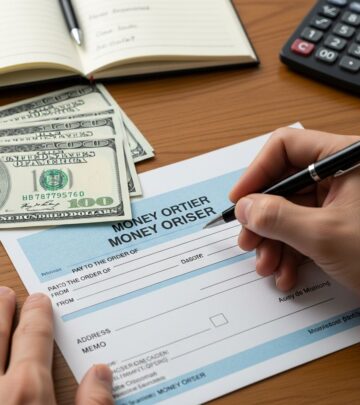
How Much Does a Money Order Cost in 2025
Complete guide to money order fees, limits, and best places to buy in 2025.
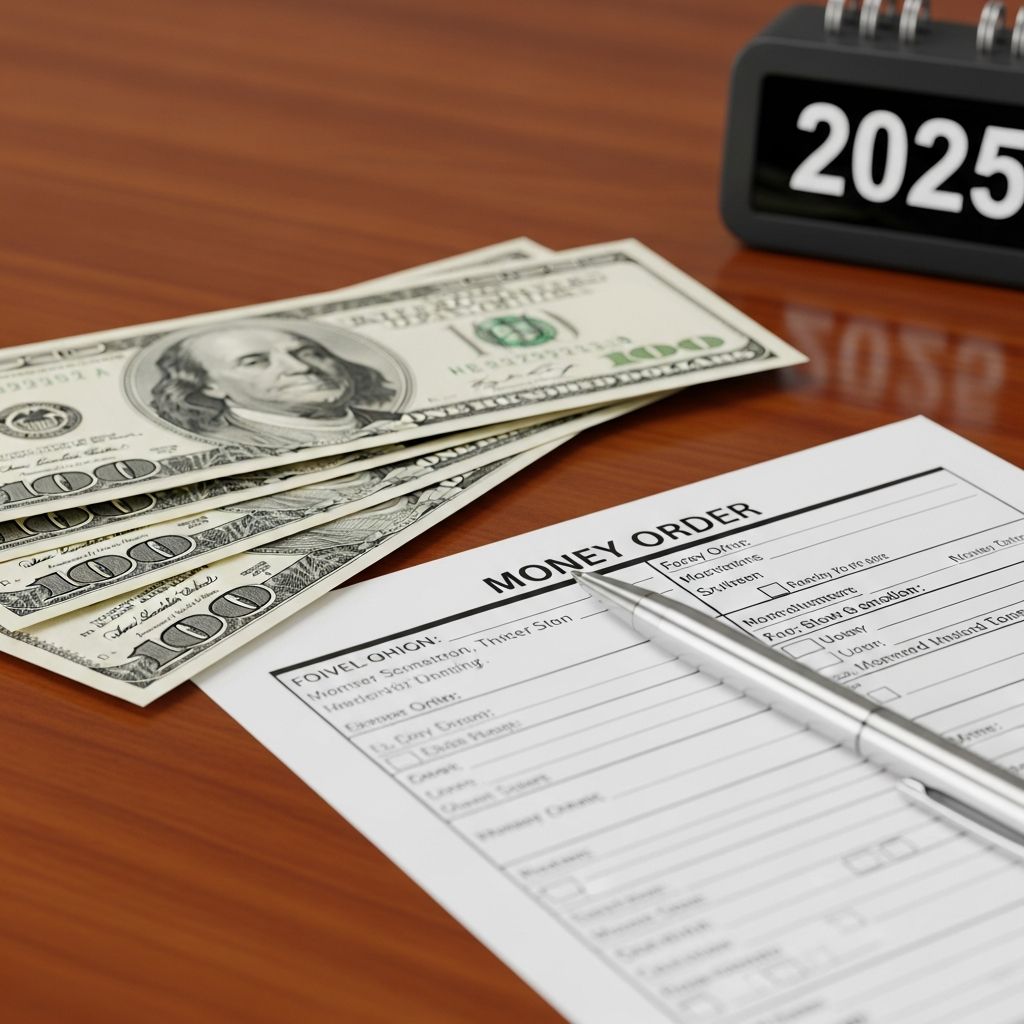
Money orders remain a reliable and secure method for sending cash without revealing your banking information. Whether you’re paying bills, sending funds to family, or making a large purchase, understanding money order costs is essential for making informed financial decisions. This comprehensive guide breaks down current pricing across different providers, explores maximum limits, and helps you find the most affordable options available.
Understanding Money Order Basics
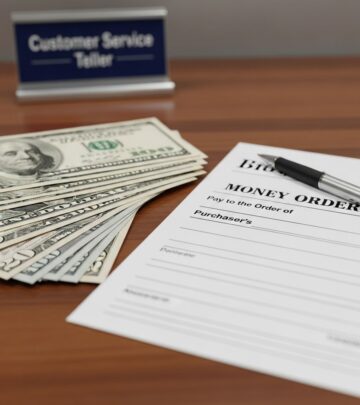
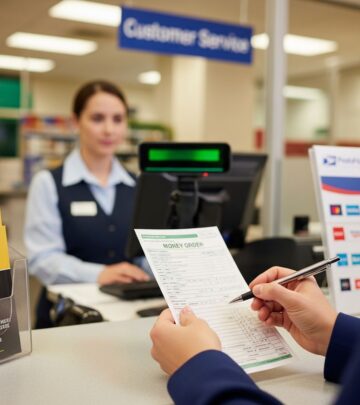
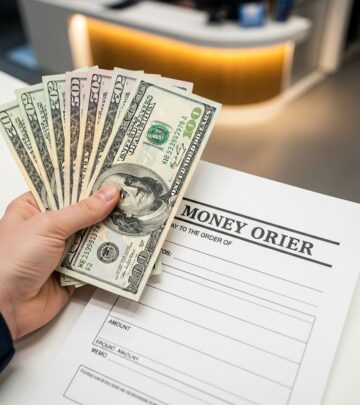
A money order is a prepaid payment instrument that functions as a safer alternative to sending cash through the mail or in person. Unlike personal checks, money orders don’t require a bank account and provide a guaranteed payment method that reduces the risk of fraud. The sender purchases the money order at a designated location, fills in the recipient’s name and amount, and the recipient can cash it at most financial institutions.
Money orders serve numerous purposes in modern financial transactions. They’re commonly used for rent payments, insurance premiums, utility bills, online purchases from sellers who don’t accept credit cards, and sending money to individuals who lack traditional banking access. The security and reliability of money orders make them particularly valuable for high-value transactions where personal checks might not be accepted.
Money Order Costs by Provider
The cost of obtaining a money order varies significantly depending on where you purchase it. Different providers compete on pricing, with some offering substantially lower fees than others. Understanding these variations helps you choose the most economical option for your specific situation.
USPS Money Order Fees
The United States Postal Service remains one of the most accessible and affordable providers of money orders. USPS operates in virtually every community across the country, making it convenient for most Americans. Current USPS pricing is tiered based on the amount being sent:
| Money Order Amount | Fee |
|---|---|
| $0.01 to $500.00 | $2.55 |
| $500.01 to $1,000.00 | $3.60 |
| Domestic Military Money Order | $0.84 |
USPS also offers international money orders for customers needing to send funds abroad, though these typically cost $4.50 and carry additional processing requirements. The postal service accepts cash, debit cards, and traveler’s checks as payment methods, providing flexibility for various customers.
Walmart Money Orders
Walmart has positioned itself as one of the most budget-friendly money order providers in the United States. The retail giant caps money order fees at just $1.00 per order, regardless of the amount being sent, making it an attractive option for cost-conscious consumers. This maximum fee structure applies across all Walmart locations nationwide, though exact charges may vary slightly by store.
Walmart money orders are powered by Western Union and offer a convenient shopping experience since customers can obtain them while completing other retail purchases. However, Walmart accepts only cash and debit card payments for money orders—credit cards are not accepted.
Bank and Credit Union Fees
Traditional financial institutions typically charge higher fees for money orders compared to retailers and postal services. Most major banks, including Wells Fargo, Chase, and U.S. Bank, charge a flat fee of approximately $5 per money order. Some premium account holders may qualify for fee waivers, making this option more attractive for certain banking customers.
Credit unions sometimes offer reduced rates to members, providing an alternative to traditional banks. However, unless you maintain a premium account or hold membership at a credit union with special offerings, bank money orders generally represent the most expensive option for individual transactions.
Retail and Convenience Store Options
Various retail chains and convenience stores offer money orders at competitive prices. Major grocery stores like Kroger and Meijer typically charge between $0.69 and $1.00 per money order, positioning them favorably compared to banks but slightly higher than Walmart. CVS pharmacy charges between $0.70 and $0.99, with a lower maximum limit of $500 per order.
Convenience stores generally charge higher fees than major retailers, often exceeding $1.75 per money order, and typically offer lower maximum limits. 7-Eleven fees vary by region and fall between 1 percent and 3 percent of the order amount, making them less predictable for budgeting purposes.
Western Union Services
Western Union operates through more than 2,900 locations worldwide, offering money orders with variable fees ranging from $0.50 to $1.50 depending on location and specific branch policies. Western Union doesn’t require a bank account and maintains extended hours, including weekend availability, making it accessible for customers with irregular schedules.
Money Order Maximum Limits and Requirements
Understanding maximum limits helps you plan for larger payments and anticipate additional fees when sending substantial amounts. Most money order providers cap individual instruments at $1,000, though specific limits vary by issuer.
For transactions exceeding $3,000 in a single business day, federal regulations require valid identification. Transactions between $3,000 and $10,000 trigger Currency Transaction Reporting (CTR) requirements, while suspicious transactions starting at $2,000 may require Suspicious Activity Reports (SARs). These regulatory requirements exist to prevent money laundering and ensure financial system integrity.
When sending amounts larger than $1,000, purchasers must obtain multiple money orders, each carrying separate fees. This requirement increases the total cost significantly for large transfers, making alternative payment methods potentially more economical for substantial payments.
Comparing Money Order Costs: A Quick Reference
| Provider | Typical Fee (Up to $1,000) | Maximum Limit | Key Advantage |
|---|---|---|---|
| Walmart | Up to $1.00 | $1,000 | Lowest fees available |
| USPS | $2.55 (up to $500); $3.60 ($500-$1,000) | $1,000 | Nationwide accessibility |
| CVS Pharmacy | $0.70 – $0.99 | $500 | Convenient pharmacy locations |
| Kroger/Meijer | $0.69 – $1.00 | $500 – $1,000 | Integrated with grocery shopping |
| Western Union | $0.50 – $1.50 | $1,000 | Extended hours and weekend availability |
| Banks (Chase, Wells Fargo, U.S. Bank) | $5.00 | $1,000 | Premium account fee waivers |
Finding the Cheapest Money Order Options
For consumers prioritizing cost savings, Walmart consistently offers the cheapest money order fees at $1.00 maximum per order. This advantage compounds when sending multiple money orders, as each transaction carries the same low fee structure. For customers already planning grocery shopping, Kroger and Meijer provide competitive pricing while offering shopping convenience.
USPS represents the best option for those without retail access or preferring government-backed services. While individual fees are slightly higher than Walmart, the postal service’s ubiquity makes it accessible to virtually all Americans. Military personnel receive special rates of just $0.84, making USPS particularly attractive for armed forces members.
When purchasing money orders, always ask about current fees before completing the transaction. Pricing can vary by location due to regional differences in service providers and local market conditions. Calling ahead to confirm availability, exact fees, and operating hours prevents unexpected charges and ensures smooth transactions.
When Money Orders Make Financial Sense
Money orders prove most economical for payments below $500, where fees remain relatively low compared to alternative payment methods. They’re particularly valuable when you need to send funds to someone without bank account access, require a guaranteed payment method, or need payment protection that personal checks don’t provide.
For larger transactions exceeding $1,000, consider alternative payment methods. Multiple money orders accumulate significant fees—for example, sending $3,000 via Walmart money orders costs $3.00 in fees versus potentially lower rates through cashier’s checks or electronic bank transfers. Evaluate the total cost including fees, time investment, and convenience factors when determining the best payment method.
Money Order Alternatives and Comparison
Electronic payment methods have become increasingly competitive with money orders. Bank transfers typically charge minimal fees but may require longer processing times. Digital wallets and QR code payments offer speed and convenience, though fees typically range from 0.5 percent to 3.5 percent of the transaction amount.
Cashier’s checks may prove more efficient and affordable than purchasing multiple money orders for large payments. Your bank can issue cashier’s checks for flat fees, often comparable to single money order costs but allowing you to transfer amounts up to your account balance in a single transaction.
Important Considerations When Purchasing Money Orders
Always retain your money order receipt after purchase. This documentation proves payment, enables tracking if the money order is lost or stolen, and provides evidence of the transaction if disputes arise. Most providers maintain detailed records accessible via receipt numbers.
Money orders don’t expire, though some states have regulations regarding unclaimed property. If a money order remains uncashed for an extended period, you may need to file a claim to recover your funds. Verify your recipient’s name spelling and the exact amount before finalizing the purchase, as corrections typically require purchasing a replacement money order.
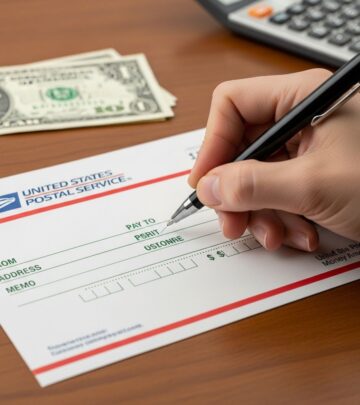
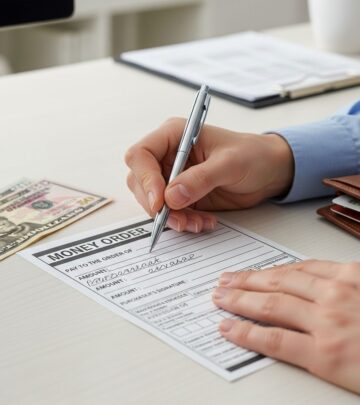
Complete all required fields on the money order form, including your name as sender and the recipient’s name. Never leave fields blank or use informal names without verification. Include only necessary information—avoid writing notes or additional details on the money order itself.
Frequently Asked Questions
Q: What is the cheapest place to buy a money order?
A: Walmart offers the cheapest money orders at $1.00 maximum per order. For customers without Walmart access, Kroger, Meijer, and other grocery stores typically charge $0.69 to $1.00.
Q: How much does a USPS money order cost?
A: USPS charges $2.55 for money orders up to $500 and $3.60 for amounts from $500.01 to $1,000. Military money orders cost just $0.84.
Q: What is the maximum amount for a money order?
A: Most providers cap money orders at $1,000 per order. For amounts exceeding $1,000, you must purchase multiple money orders, each carrying separate fees.
Q: Do I need identification to buy a money order?
A: For money order purchases totaling $3,000 or more in a single business day, valid identification is required by federal regulations. Some providers may require ID for transactions below this threshold.
Q: Can I use a credit card to buy a money order at Walmart?
A: No, Walmart accepts only cash and debit card payments for money orders. Credit cards are not accepted for this service.
Q: How long does it take to cash a money order?
A: Money orders can typically be cashed immediately at most banks, credit unions, post offices, and retailers, making them a convenient payment method for urgent financial needs.
Q: Do money orders expire?
A: Money orders do not have expiration dates. However, if uncashed for extended periods, unclaimed property laws in your state may apply. Check with your state’s unclaimed property division if you need to recover funds from an old money order.
Q: What payment methods are accepted for money orders?
A: Most providers accept cash, debit cards, and traveler’s checks. Walmart and some retailers specifically exclude credit cards, while banks may require checks drawn on their accounts.
References
- Money Order Locations You Can Trust in 2025 — BiyaPay. 2025-11-29. https://www.biyapay.com/blogDetail/2246-money-order-locations-you-can-trust-in-2025
- Sending Money Orders — United States Postal Service. 2025. https://www.usps.com/shop/money-orders.htm
- How Much Does A Typical Money Order Usually Cost You? — Order Express. 2025. https://www.orderexpress.com/typical-money-order-cost/
- What Is a Money Order? How to Fill Out and How It Works — NerdWallet. 2025. https://www.nerdwallet.com/banking/learn/money-orders
- Money Orders — United States Postal Service Postal Bulletin. 2008-06-10. https://about.usps.com/postal-bulletin/2008/html/pb22247/html/not123_076.html
- Money Orders – Walmart.com — Walmart, Inc. 2025. https://www.walmart.com/cp/money-orders/5791922
- What is a Money Order and How Does It Work? — Empower Financial Services. 2025-11-29. https://www.empower.com/the-currency/money/money-order
Similar Articles








Read full bio of medha deb