How Much Does It Cost To Spay A Dog: Average Prices & Savings
Complete guide to dog spaying costs, what's included, and ways to save money.
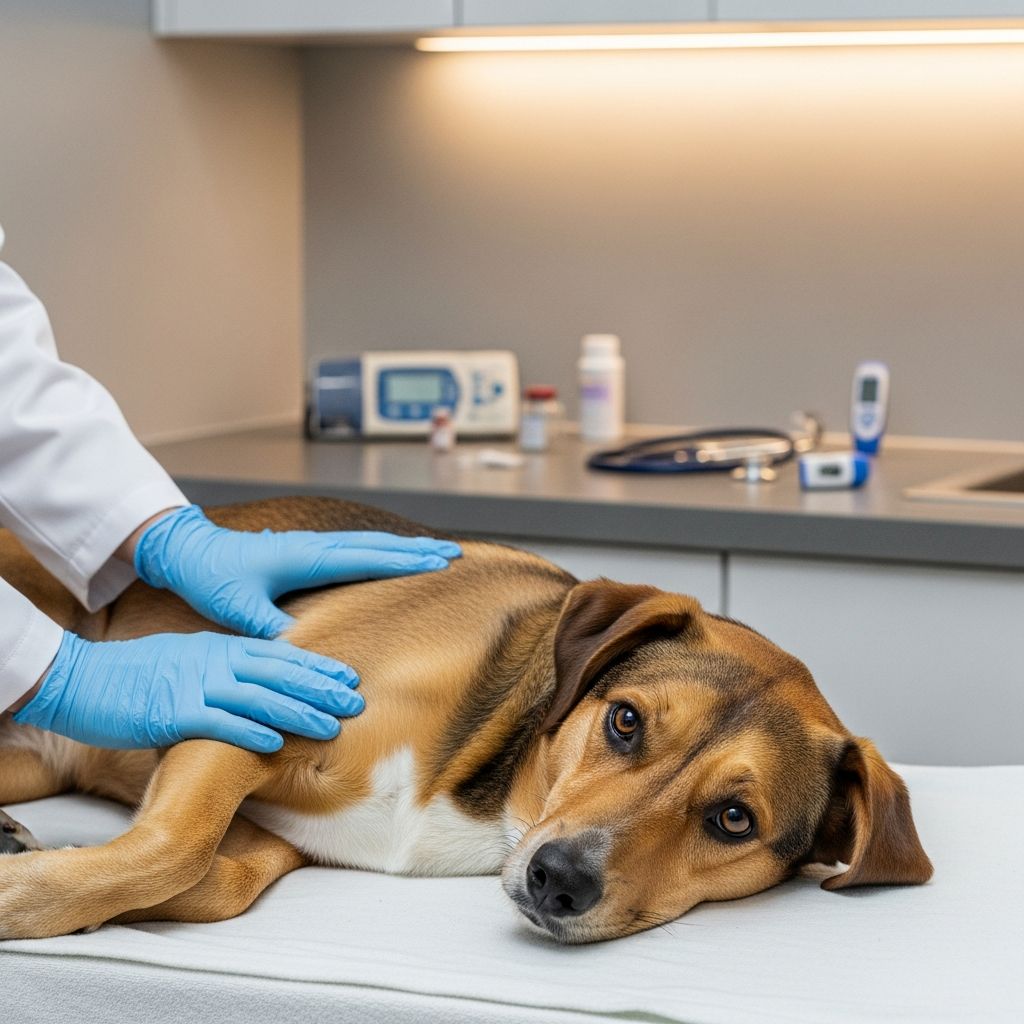
How Much Does It Cost to Spay a Dog?
One of the most important decisions pet owners make is whether to spay their dogs. Beyond the health and behavioral benefits, understanding the financial commitment is essential for responsible pet ownership. The cost to spay a dog varies significantly depending on where you choose to have the procedure done, ranging from completely free through nonprofit organizations to over $700 at private veterinary facilities. This comprehensive guide will help you understand spaying costs, what’s included in the procedure, factors that influence pricing, and strategies to find affordable options without compromising on quality care.
What’s the Average Cost to Spay a Dog?
The average cost to spay a dog varies considerably depending on the type of veterinary facility you select and your geographic location. Pet owners should budget for this procedure when welcoming a new dog into their family or when considering spaying existing pets. Understanding the range of costs will help you make an informed decision and plan your finances accordingly.
Cost Breakdown by Facility Type
Different veterinary facilities offer varying price points for spaying services:
| Veterinary Facility Type | Cost Range |
|---|---|
| State Voucher or Nonprofit Clinic | Free – $100 |
| Low-Cost Clinic | $55 – $475 |
| Private Veterinary Clinic or Hospital | $145 – $700 |
State voucher programs and nonprofit clinics represent the most budget-friendly options for dog spaying. Many animal welfare organizations and local governments subsidize these services to promote responsible pet ownership and reduce overpopulation in shelters. Low-cost clinics provide a middle ground, offering professional services at reduced rates. Private veterinary clinics typically charge the highest fees but often provide comprehensive pre- and post-operative care.
What’s Included in the Cost of Spaying Your Dog?
The components included in a spay surgery quote vary depending on the veterinary facility. Understanding what’s encompassed in the cost helps you evaluate whether you’re receiving good value and whether additional charges might apply.
Standard Components
Most spay surgery costs include anesthesia to minimize discomfort during the procedure. However, it’s crucial to confirm with your veterinary office what specific items are included in their quoted price. Some facilities bundle multiple services, while others charge separately for each component.
Size and Weight Considerations
Spaying costs for larger dogs are typically higher than those for smaller breeds. Bigger dogs require additional resources during the procedure, including more anesthesia, additional sutures, and stronger pain medications. The complexity and duration of the surgery increase proportionally with the dog’s size, which is reflected in the overall cost.
Age-Related Pricing
A dog’s age significantly impacts spaying costs. Some veterinary clinics offer discounted spay and neuter services specifically for young dogs to encourage early sterilization. Conversely, other clinics may charge premium rates for older dogs, particularly those with pre-existing health complications that require additional monitoring and care during surgery.
Why Spaying Costs More Than Neutering
Spaying is a considerably more invasive surgical procedure than neutering, which is why it typically costs more. Spaying, medically known as ovariohysterectomy, involves the surgical removal of a female dog’s reproductive organs. The procedure usually lasts between 20 and 90 minutes and requires the dog to be under general anesthesia with intubation using a breathing tube. This complexity, combined with the need for careful monitoring and specialized surgical expertise, justifies the higher cost compared to neutering procedures.
Additional Fees and Charges
When budgeting for your dog’s spay surgery, be aware of potential additional charges that may not be included in the base price:
Booking Deposit – Some veterinary clinics require an upfront deposit before scheduling the surgery. Verify whether this charge will be deducted from your final bill or if it’s charged separately.
Biohazard Disposal Fee – This fee covers the proper disposal of surgical waste and biohazard materials. While often included in the surgery cost, some facilities charge this separately, typically averaging around $2.50 per dog.
Pre-Anesthetic Bloodwork – Pre-surgery blood tests screen for organ function and assess anesthesia risk. These tests typically cost between $50 and $100 and become increasingly important for older dogs or those with health concerns.
IV Fluids – Intravenous fluids during surgery maintain blood pressure stability and proper hydration. This service typically costs $40 to $80.
Pain Medication – Post-operative pain management is essential for recovery. Some clinics include pain medication in their base cost, while others charge separately, ranging from $25 to $100.
E-Collar (Cone) – The protective cone prevents dogs from licking incisions during healing. Some facilities include this, while others charge $10 to $30 for the collar.
Microchipping – Some owners choose to add microchipping during surgery for convenience, typically costing $25 to $50.
How to Save on Your Dog’s Spay Surgery
If the cost of spaying is a concern, several options can help reduce your financial burden while ensuring your dog receives quality care.
Explore Low-Cost Clinic Options
Low-cost spay and neuter clinics are specifically designed to make reproductive surgery affordable for pet owners. These facilities often operate on reduced profit margins and may receive subsidies from local governments or animal welfare organizations. Prices at these clinics typically range from $55 to $475, making them significantly cheaper than private veterinary practices.
Research State and Local Voucher Programs
Many states and municipalities offer financial assistance programs that provide spay and neuter vouchers. These vouchers can cover a portion or the entire cost of the procedure at participating veterinary facilities. Contact your local animal shelter, humane society, or county animal control office to inquire about available programs in your area.
Check Nonprofit Organizations
National animal welfare organizations often provide assistance for spaying and neutering. Groups like Friends of Animals offer reduced-cost services or vouchers that can significantly lower your out-of-pocket expenses.
Compare Facility Pricing
Call multiple veterinary clinics in your area to compare pricing. While price is important, also inquire about what services are included in each quote to ensure you’re comparing equivalent packages. A lower upfront price may not include bloodwork, pain medications, or follow-up visits, which could result in higher total costs.
Ask About Bundled Services
Some clinics offer package deals that combine spaying with other services like vaccinations, microchipping, or wellness exams at a discounted rate. These bundles can provide better overall value than purchasing services separately.
Benefits of Spaying Your Dog
Understanding the benefits of spaying reinforces why this investment is worthwhile for your pet’s long-term health and your household’s well-being.
Prevents Unwanted Pregnancies – Spaying eliminates the risk of unexpected litters, which can result in significant veterinary and financial expenses.
Reduces Cancer Risk – Spaying before the first heat cycle substantially reduces the risk of mammary cancer and eliminates the possibility of uterine or ovarian cancer.
Eliminates Heat Cycles – Spayed dogs no longer experience estrus cycles, eliminating associated behavioral changes, bleeding, and the attraction of male dogs.
Reduces Behavioral Issues – Spaying often reduces or eliminates behaviors associated with heat cycles, such as roaming, marking territory, and aggression.
Lowers Risk of Infection – Spaying eliminates the risk of pyometra, a life-threatening uterine infection that is expensive and dangerous to treat.
Disadvantages of Spaying Your Dog
While spaying offers numerous benefits, potential drawbacks should be considered when making this decision.
Surgical Risks – As with any surgical procedure, spaying carries risks associated with anesthesia and surgery, though serious complications are relatively rare with modern veterinary practices.
Potential Weight Gain – Spayed dogs may have a tendency to gain weight due to hormonal changes and reduced metabolic rate. This can be managed through appropriate nutrition and exercise.
Urinary Incontinence – A small percentage of spayed dogs may develop urinary incontinence, though this is typically manageable with medication.
Ovarian Remnant Syndrome – If ovarian tissue is accidentally left behind during surgery, a dog may continue experiencing heat cycles. This rare complication would necessitate another surgical procedure.
Frequently Asked Questions About Dog Spaying Costs
Q: What’s the cheapest way to get my dog spayed?
A: Low-cost clinics, mobile veterinary units, and nonprofit animal shelters often offer spaying services starting at $50 to $100. Many communities also provide vouchers or host free or reduced-cost spay and neuter events throughout the year. Contact your local animal shelter to inquire about assistance programs available in your area.
Q: Does pet insurance cover spaying?
A: Most pet insurance plans do not cover spaying as it is considered a preventive procedure typically performed before coverage begins. However, some insurance companies offer wellness or preventive care add-ons that may cover a portion of routine procedures like spaying. Check with your specific insurance provider about available coverage options.
Q: Why does spaying cost more than neutering?
A: Spaying is more expensive because it is a more complex surgical procedure. While neutering involves removing testicles through a small incision, spaying requires opening the abdominal cavity and removing internal reproductive organs. This increased surgical complexity, longer procedure time, and additional anesthesia requirements justify the higher cost, typically $10 to $200 more than neutering.
Q: What factors most influence the cost of spaying?
A: Key factors affecting spaying costs include your dog’s size and weight, age and health status, breed-specific considerations, the type of veterinary facility, geographic location, and optional services like microchipping or dental cleaning. Larger, older, or dogs with pre-existing health conditions typically cost more due to increased surgical complexity and monitoring needs.
Q: What’s typically included in the spaying cost?
A: Most spaying costs include anesthesia, the surgical procedure, and basic post-operative care. However, additional charges may apply for pre-anesthetic bloodwork, IV fluids, pain medications, the protective E-collar, and follow-up visits. Always ask for a complete itemized estimate before scheduling surgery to understand exactly what is and isn’t included.
Q: Are there payment plan options available?
A: Many veterinary clinics offer payment plans or financing options to help make spaying more affordable. Some accept CareCredit or other pet medical financing services. Contact clinics directly to inquire about available payment arrangements.
Q: How long is the recovery period after spaying?
A: Most dogs recover from spaying within 7 to 14 days. During this time, restrict activity, prevent licking of the incision site, and follow all post-operative care instructions from your veterinarian. Full internal healing typically takes several weeks.
References
- How Much Does it Cost to Spay a Dog? — Money Magazine. Accessed November 2025. https://money.com/how-much-does-it-cost-to-spay-a-dog/
- Cost of Spaying or Neutering a Dog (With Breakdown) — Sustainable Vet. Accessed November 2025. https://www.sustainablevet.org/blog/dog-spay-neuter-cost-breakdown
- Cutting Pet Care Costs — American Society for the Prevention of Cruelty to Animals (ASPCA). Accessed November 2025. https://www.aspca.org/pet-care/general-pet-care/cutting-pet-care-costs
- How Much Does It Cost to Neuter a Dog? — Money Magazine. Accessed November 2025. https://money.com/how-much-does-it-cost-to-neuter-a-dog/
- Why Are Vet Bills So Expensive? — Money Magazine. Accessed November 2025. https://money.com/why-are-vet-bills-so-expensive/
Similar Articles








Read full bio of medha deb