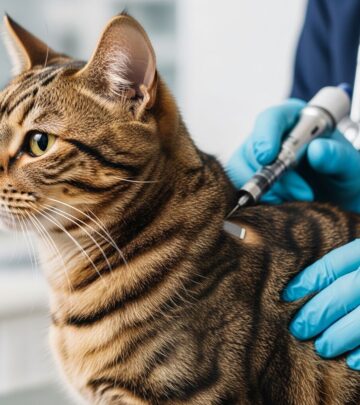
How Much Does It Cost To Neuter A Cat: Prices & Options
Complete guide to cat neutering costs, options, and long-term health benefits for pet owners.

When you bring a new cat into your home, one of the most important health decisions you’ll make is whether to spay or neuter your pet. Beyond the immediate responsibility of controlling the feline population, spaying and neutering provide significant long-term health benefits for your cat. However, many pet owners hesitate due to cost concerns. Understanding the actual expenses involved and the various options available can help you make an informed decision that fits your budget and your cat’s needs.
Understanding Spaying and Neutering
Spaying refers to the surgical removal of a female cat’s reproductive organs, while neutering involves the removal of a male cat’s testicles. Both procedures are considered routine surgical interventions in veterinary medicine, yet they offer profound benefits beyond population control. Spaying prevents uterine infections and eliminates the risk of ovarian and uterine cancer, while neutering prevents testicular cancer and reduces behavioral issues such as territorial marking and aggression.
These procedures are typically performed under general anesthesia and represent one of the most common surgical interventions in veterinary practice. The decision to spay or neuter your cat should be made early in their life, ideally before sexual maturity, to maximize health benefits and minimize surgical risks.
Cost of Spaying or Neutering Your Cat
The cost of spaying and neutering services varies considerably depending on multiple factors. As with most veterinary services, geographical location plays a significant role in determining pricing. Urban areas with higher costs of living typically charge more than rural regions. Additionally, the type of veterinary provider you choose significantly impacts the final bill.
When consulting with your veterinarian, expect a range of pricing options. Having your cat neutered at a private veterinarian’s office will probably cost more than utilizing a mobile clinic or low-cost facility. Private veterinarians typically require comprehensive pre-operative blood work and often provide the option for overnight recovery monitoring, both of which add to the total cost.
Price Ranges by Provider Type
Understanding the different pricing structures available helps you find an option that suits your financial situation:
Private Veterinary Clinics: Depending on where you live and what provider you decide to use, neutering your cat at a private practice can cost anywhere from $100 to $500 for a standard neuter, with spaying procedures typically ranging from $200 to $500. These higher costs reflect the comprehensive care, advanced monitoring equipment, and additional services provided.
Mobile Clinics: In general, the most affordable spaying and neutering services are usually provided by mobile clinics. These services typically don’t require your cat to stay overnight and involve less preparatory work before the actual procedure. Costs at mobile clinics generally fall between $100 and $300 for neutering.
Low-Cost Spay/Neuter Clinics: Spay-neuter clinics offer significantly reduced pricing, with cat spays ranging anywhere from $50 to $150, and cat neuters ranging anywhere from $25 to $75. These facilities are staffed by licensed veterinarians, many of whom are highly skilled at spaying and neutering since they perform a high volume of these surgeries daily. However, it’s important to note that these affordable procedures don’t entail all of the recommended extras that you would get from your regular veterinarian, such as pre-anesthetic bloodwork and an IV catheter with intravenous fluids.
Animal Shelters and Rescues: Local animal shelters and rescue organizations usually run low-cost cat neutering services. Many shelters also offer TNR (trap-neuter-return) services specifically for feral cats. These organizations can also provide services for pet owners and frequently include financial assistance programs for those who qualify, making veterinary care accessible to broader populations.
Charitable Programs: Some charitable spay/neuter programs offer completely free spay and neuter procedures for feral cats that are trapped and brought in before being released back into the community. Such animal welfare programs are intended to restrict pet overpopulation while avoiding the euthanization of free-roaming cats. Additionally, some organizations like the ASPCA provide free spaying and neutering services if you qualify based on income or other criteria.
Factors That Influence Neutering Costs
Several variables determine the final price you’ll pay for your cat’s neutering procedure. Understanding these factors helps explain price variations between different veterinary providers and situations:
Geographical Location: The cost of a cat spay surgery or neuter surgery varies significantly based on your geographical location. Urban centers and regions with higher costs of living typically charge premium prices for veterinary services. For example, neutering a cat in California might cost considerably more than the same procedure in rural areas or lower-cost regions.
Pre-Operative Blood Work: Many private veterinary clinics recommend pre-anesthetic blood screening to assess your cat’s kidney and liver function before surgery. This additional testing ensures your pet can safely handle anesthesia but adds to the total cost.
Anesthesia and Monitoring: The type of anesthesia used, operating room setup, and continuous monitoring during the procedure contribute to the overall expense. Some facilities offer enhanced safety protocols with specialized anesthesia monitoring equipment, which increases costs.
IV Catheter and Intravenous Fluids: Many veterinarians recommend placing an IV catheter and administering intravenous fluids during surgery to maintain proper hydration and blood pressure. This adds to the procedure cost but provides additional safety assurances.
Surgical Supplies: High-quality sterile surgical supplies, including specialized instruments, sterile gloves, scalpel blades, and suture materials, contribute to the overall cost of the procedure.
Post-Operative Medications and Supplies: Pain medications, antibiotics, recovery cones (e-collars), and other post-operative supplies are often included in or added to the procedure cost. Some cats may require extended medication management depending on their recovery.
Follow-Up Visits: Post-operative follow-up visits to monitor healing, remove sutures, and assess overall recovery may be included in the initial quote or charged separately.
Special Circumstances: Additional fees may be charged if your cat is cryptorchid, meaning one or both testicles have failed to descend into the scrotum. This condition requires a more invasive surgical procedure that takes additional time and increases complexity, resulting in higher costs.
Spaying vs. Neutering Costs
It’s usually cheaper to neuter a male cat than to spay female animals. This price difference exists because a spay surgery is a major abdominal surgery requiring an incision into the body cavity, which takes more time and surgical expertise than a neuter surgery, which can be performed in minutes through a smaller incision.
Unlike spays, which require sutures (stitches) to close the abdominal incision, cats that are neutered usually don’t need any stitches. This simpler procedure requires less operative time and results in lower overall costs. However, there is one instance where neutering is more expensive than spaying: if one or both testicles have not descended into the scrotum (called cryptorchid), the neuter surgery takes significantly more time, requires sutures, and is much more costly than a standard spay procedure.
Pet Insurance and Spay/Neuter Coverage
Unfortunately, most pet insurance companies do not offer coverage for spaying or neutering procedures. Standard pet insurance policies typically focus on accident and illness coverage rather than elective surgical procedures. However, some pet insurance plans include wellness coverage that may partially subsidize spay/neuter procedures, typically covering up to $200 of the total cost. The remaining balance would be your responsibility.
If you’re considering pet insurance, review the wellness plan options carefully to determine if spay/neuter coverage is included. Even partial coverage can help offset some of the procedure costs, especially if you’re having the procedure done at a private veterinary clinic.
Financial Assistance and Low-Cost Options
If cost is a significant concern, several resources can help make spaying and neutering more affordable. Many veterinarians partner with their local shelter or rescue organizations to offer these surgeries on a voucher basis, allowing pet owners to access reduced-cost services. Be sure to ask your veterinarian if such a voucher program exists in your area.
Many communities have nonprofit organizations dedicated to providing low-cost spay and neuter services. These organizations often receive grant funding and donations, allowing them to offer procedures at significantly reduced prices. Searching online for “low-cost spay/neuter clinics near me” can help you locate these valuable resources.
Additionally, some animal welfare organizations provide financial assistance to pet owners who cannot afford standard veterinary fees. These programs recognize that cost should never be a barrier to responsible pet ownership and work to make essential veterinary care accessible to all community members.
Long-Term Benefits of Spaying and Neutering
While the upfront cost of spaying or neutering your cat represents a one-time expense, the long-term benefits far outweigh the initial investment. Spayed and neutered cats have significantly lower risks of certain cancers and reproductive diseases. Additionally, these procedures typically reduce behavioral issues such as territorial marking, spraying, and aggression, leading to happier household dynamics and potentially reducing other expenses related to destructive behavior.
From a broader perspective, spaying and neutering contribute to reducing shelter overpopulation and the associated costs to communities and animal welfare organizations. Every cat that is spayed or neutered represents one fewer animal likely to end up in an overwhelmed shelter system.
Making Your Decision
When determining the best spay or neuter option for your cat, consider your financial situation, your cat’s health status, and your comfort level with different types of facilities. If you have a cat with pre-existing health conditions, a private veterinary clinic with comprehensive pre-operative testing might be the safest choice despite higher costs. For healthy cats, low-cost clinics or mobile services can provide excellent care at a fraction of the price.
Schedule consultations with different providers to understand what’s included in their quoted prices. Some clinics include medications and follow-up visits in their initial quote, while others charge these separately. Getting detailed estimates helps you compare true costs across different providers.
Frequently Asked Questions (FAQs)
Q: How much does it cost to get a cat fixed?
A: The cost varies significantly based on your location and the type of provider. Private veterinary clinics typically charge $100-$500 for neutering and $200-$500 for spaying. Low-cost clinics offer the same procedures for $25-$75 for neutering and $50-$150 for spaying. Some charitable organizations offer free services for qualifying individuals.
Q: How much does it cost to neuter a cat?
A: Neutering (surgical removal of a male cat’s testicles) typically costs between $100-$300 at private veterinary clinics, depending on your geographical location and the specific services included. At low-cost clinics, you can expect to pay between $25-$75.
Q: Is it cheaper to spay or neuter a cat?
A: Neutering a male cat is generally cheaper than spaying a female cat because neutering is a simpler, less invasive procedure. However, if a male cat is cryptorchid (undescended testicles), neutering may cost more than spaying.
Q: Does pet insurance cover spaying or neutering?
A: Most standard pet insurance policies do not cover spaying or neutering as these are considered elective procedures. However, some wellness plans may partially cover these procedures, typically up to $200.
Q: Where can I find low-cost spay and neuter services?
A: Local animal shelters, rescue organizations, and nonprofit veterinary clinics often offer low-cost spay/neuter services. Many private veterinarians also partner with local shelters for voucher programs. Ask your veterinarian about options in your area or search online for “low-cost spay/neuter clinics near me.”
Q: Are there free spay or neuter programs available?
A: Yes, some charitable organizations and animal welfare groups offer free spay/neuter services, particularly for feral cats through TNR (trap-neuter-return) programs. Some organizations like the ASPCA also provide free services to qualifying pet owners based on income.
Q: What’s included in the cost of neutering?
A: Standard neutering costs typically include the surgical procedure and anesthesia. Additional services may include pre-operative blood work, IV fluids, pain medications, post-operative monitoring, and follow-up visits. Low-cost clinics may not include all these extras, so clarify what’s included in your quoted price.
Q: How old should my cat be when neutered?
A: Most veterinarians recommend spaying or neutering cats as early as 8-12 weeks of age, though it can be done later. Early procedures are generally safer and provide the maximum health benefits. Discuss the optimal timing with your veterinarian based on your cat’s individual health status.
References
- How Much Does It Cost to Neuter a Cat? — PetMD. 2024. https://www.petmd.com/cat/general-health/cost-to-neuter-a-cat
- How Much Does It Cost to Spay or Neuter a Cat? — Cats.com. 2024. https://cats.com/how-much-does-it-cost-to-spay-a-cat
- Cutting Pet Care Costs — American Society for the Prevention of Cruelty to Animals (ASPCA). 2024. https://www.aspca.org/pet-care/general-pet-care/cutting-pet-care-costs
- Does Pet Insurance Cover Spay and Neuter? — Money. 2024. https://money.com/does-pet-insurance-cover-spay-and-neuter/
- Spay/Neuter Now, Regardless of Price, Is Still Cheaper Than Waiting for Lower Prices — United Spay Alliance. 2024. https://www.unitedspayalliance.org/spay-neuter-now-still-cheaper-than-waiting/
Similar Articles








Read full bio of Sneha Tete