How Much Does It Cost to Microchip a Cat?
Complete guide to cat microchipping costs, benefits, and what pet owners need to know.
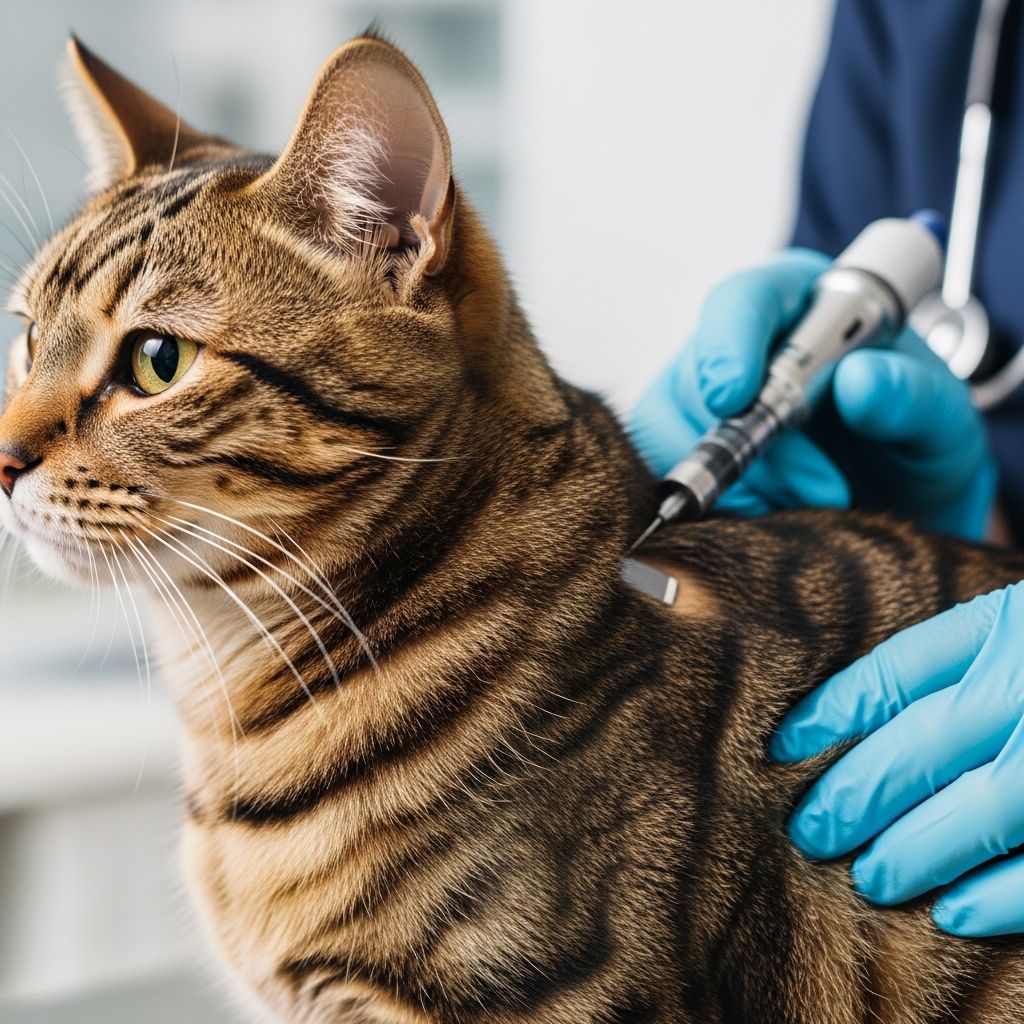
Microchipping your cat is one of the most affordable yet effective ways to ensure their safe return if they ever get lost. Unlike traditional ID tags that can fall off or fade over time, a microchip provides permanent identification that lasts throughout your cat’s entire life. But before deciding to microchip your feline companion, you likely want to know the financial commitment involved. Understanding the costs and factors that influence pricing can help you make an informed decision about this important pet care investment.
Average Cost to Microchip a Cat
The average cost to microchip a cat typically ranges from $20 to $60 for both the microchip and the implantation procedure combined. However, costs can vary significantly based on your location and the veterinary facility you choose. The national average sits around $45, making it one of the most budget-friendly pet identification options available.
It’s important to note that while the procedure is generally affordable, the total cost you pay may depend on whether you’re getting just the microchip implanted or if additional services are bundled into the appointment. Some veterinary clinics include a physical exam, registration, and aftercare instructions in their microchipping fee, while others charge separately for these services.
Breaking Down the Microchipping Costs
To better understand what you’re paying for, it helps to know how microchipping costs are typically structured:
- Microchip itself: The actual chip typically costs between $10 and $30
- Implantation procedure: The vet’s fee for implanting the chip usually ranges from $20 to $45
- Registration fee: Some clinics include this, while others charge an additional $15 to $30
- Exam fee: A physical examination may add $40 to $80 if not included in the microchipping fee
When you combine all these elements, the total all-in cost can range from $70 to $105, though budget-friendly options may cost significantly less.
Factors That Impact Microchipping Cost
Several variables can influence how much you’ll pay to microchip your cat. Understanding these factors can help you find the most affordable option in your area.
Location and Cost of Living
Geographic location plays a significant role in microchipping costs. Veterinary services in urban areas or regions with higher costs of living typically charge more for microchipping than rural clinics. A procedure that costs $25 in a small town might cost $50 or more in a major metropolitan area.
Type of Facility
Where you get your cat microchipped dramatically affects the price:
- Private veterinary practices: Typically charge $40 to $60 or more
- Non-profit organizations and low-cost clinics: Often charge $15 to $40
- Animal shelters and rescue groups: May offer free or discounted microchipping, sometimes as low as $10
Many animal shelters and rescue organizations host special low-cost vaccine and microchipping clinics where you can get your cat chipped for a fraction of the regular veterinary cost.
Registration and Additional Services
Some clinics bundle microchip registration into their procedure cost, while others require you to register the chip separately afterward. Additionally, if you’re getting your cat microchipped during a regular wellness visit, you might avoid paying a separate exam fee, which can save you money. Some veterinary practices offer package deals that combine microchipping with other services like vaccinations or spaying/neutering.
Adoption and Pre-chipped Cats
If you adopt a cat from a shelter or rescue organization, they may already have microchipped your new pet as part of their adoption process. The microchipping cost is typically included in the adoption fee, often at a lower rate than private veterinary clinics charge. However, you’ll still need to register or update the microchip with your personal contact information, which is crucial for recovery if your cat gets lost.
Comparing Microchipping to Other Cat Healthcare Costs
To put microchipping costs in perspective, here’s how they compare to other common veterinary services for cats:
| Service | Average Cost |
|---|---|
| Microchipping | $20 to $60 |
| Cat Vaccinations (per dose) | $10 to $45 |
| Veterinary Exam | $40 to $80 |
| Spay or Neuter Surgery | $35 to $150 (non-profit) or $200 to $500 (private) |
| Professional Teeth Cleaning | $560 to $1,100 (up to $2,000+ with extractions) |
As you can see, microchipping is one of the most affordable preventative care measures available for your cat, making it an excellent investment in their safety and identification.
Does Pet Insurance Cover Microchipping?
Most standard pet insurance policies don’t include microchipping in their standard coverage. However, many insurers offer optional “wellness plans” or preventive care riders that may cover microchipping and other preventative services. Coverage varies significantly between insurance providers, so it’s important to check with your specific insurance company to determine what’s included in your policy.
If your pet insurance does cover microchipping, the coverage typically works in one of two ways:
- Direct coverage: The insurer pays the veterinary clinic directly
- Reimbursement: You pay for the microchipping upfront and submit a claim for reimbursement
Adding a wellness rider to your pet insurance policy typically increases your monthly premium by $10 to $25 or more. This means that while the wellness coverage might include microchipping, you should evaluate whether the added monthly cost is worthwhile for your situation.
How Long Do Microchips Last?
One of the biggest advantages of microchipping is that it’s a one-time cost. Microchips are designed to last your cat’s entire lifetime without requiring maintenance or replacement. Unlike collars and ID tags that wear out or get lost, a microchip will function for your cat’s entire life once implanted. The microchip doesn’t require batteries or any form of ongoing maintenance, making it a truly set-it-and-forget-it form of identification.
In rare cases, a microchip might migrate slightly after implantation, but this typically doesn’t negatively affect the cat or the microchip’s functionality. If you’re concerned about your cat’s microchip, ask your veterinarian to scan it during your next visit to confirm it’s working properly.
The Lifesaving Benefits of Microchipping
While cost is an important consideration, the benefits of microchipping far outweigh the minimal expense. Statistics show just how effective microchipping is for reuniting lost pets with their owners:
- One in three pets will go missing at least once in their lifetime
- Microchipped cats are 20 times more likely to be returned to their owners than those without identification
- Only 2% of lost cats without a microchip or identification are reunited with their owners
These statistics demonstrate that microchipping significantly increases the odds of recovery if your cat ever gets lost. The $20 to $60 investment could literally be the difference between a joyful reunion and a permanently lost pet.
International Travel Requirements
If you plan to travel outside the United States with your cat, microchipping becomes even more important. Your cat’s microchip must be ISO (International Organization for Standardization) compliant so that scanners in other countries can detect it. Many international travel requirements now mandate that cats have ISO-compliant microchips before they can enter certain countries. This is another reason why microchipping should be considered an essential part of responsible cat ownership, not just an optional safety measure.
Questions to Ask Your Veterinarian
Before scheduling your cat’s microchipping appointment, consider asking your veterinary clinic these important questions to ensure you understand the complete cost and process:
- Do you include microchip registration in your microchipping fee?
- Will I need to register the microchip after the procedure, and if so, which registry do you recommend?
- Will you scan the microchip after implantation to confirm it’s working properly?
- Are there any aftercare instructions I should follow to prevent complications?
- How do I update my contact information in the microchip registry if my information changes?
- Do you offer package deals that combine microchipping with other services?
Getting answers to these questions upfront will help you avoid unexpected costs and ensure your cat’s microchip is properly registered and functional.
Frequently Asked Questions
Q: What’s the difference between a microchip and an ID tag?
A: An ID tag is external and can fall off, fade, or be removed. A microchip is permanently implanted under your cat’s skin and cannot be lost. Microchips provide permanent identification that lasts your cat’s lifetime, whereas tags may need to be replaced periodically.
Q: Can my cat’s microchip get lost or move after implantation?
A: While it’s rare, a microchip may migrate slightly after implantation. However, this typically doesn’t negatively affect the microchip’s functionality. You can ask your vet to scan the microchip at future visits to confirm it’s working properly.
Q: Is microchipping painful for cats?
A: Microchipping is a minimally invasive procedure that’s no more painful than a routine vaccination. Most cats don’t require anesthesia for the procedure, though some veterinarians may recommend sedation for anxious cats.
Q: Will my cat’s microchip need to be replaced?
A: No. Microchips are designed to last your cat’s entire lifetime without requiring replacement or maintenance. It’s a one-time cost that provides permanent identification.
Q: Can I microchip my kitten?
A: Yes, kittens can be microchipped at any age. Many shelters and rescue organizations microchip kittens before adoption. There’s no age restriction for microchipping, making it possible to protect your cat from a young age.
Q: Do all animal shelters scan for microchips?
A: Most reputable animal shelters and veterinary clinics have microchip scanners and will scan found cats. However, it’s important to ensure your microchip is registered with current contact information so shelters can reach you.
Q: What should I do after my cat is microchipped?
A: Register your cat’s microchip with the manufacturer’s registry using your current contact information. Update this information immediately if your phone number, address, or email changes. Some registries allow online updates, making it easy to keep your information current.
References
- How Much Does It Cost to Microchip a Cat? — Vety. 2025. https://vety.com/costs/cost-to-microchip-a-cat
- Cat Microchipping Costs: The Average Cost of Chipping a Cat — GoodRx. https://www.goodrx.com/pet-health/cat/microchip-cost
- How Much Does It Cost to Microchip a Cat? — Catster. 2025. https://www.catster.com/cat-health-care/cost-to-microchip-a-cat/
- The Priceless Benefits of Microchipping Your Pet — American Animal Hospital Association (AAHA). https://www.aaha.org/resources/the-priceless-benefits-of-microchipping-your-pet/
- How Much Does It Cost to Microchip a Dog or Cat? — CareCredit. https://www.carecredit.com/well-u/pet-care/pet-microchipping-cost/
- How Much Does It Cost to Microchip a Dog or Cat? — U.S. News & World Report. https://money.usnews.com/money/personal-finance/articles/2015-06-03-how-much-does-it-cost-to-microchip-a-dog-or-cat
Similar Articles








Read full bio of Sneha Tete