Cost To Build A House In 2025: $323,026 Average And 7 Tips
Complete guide to home building costs, factors affecting price, and financing options for 2025.
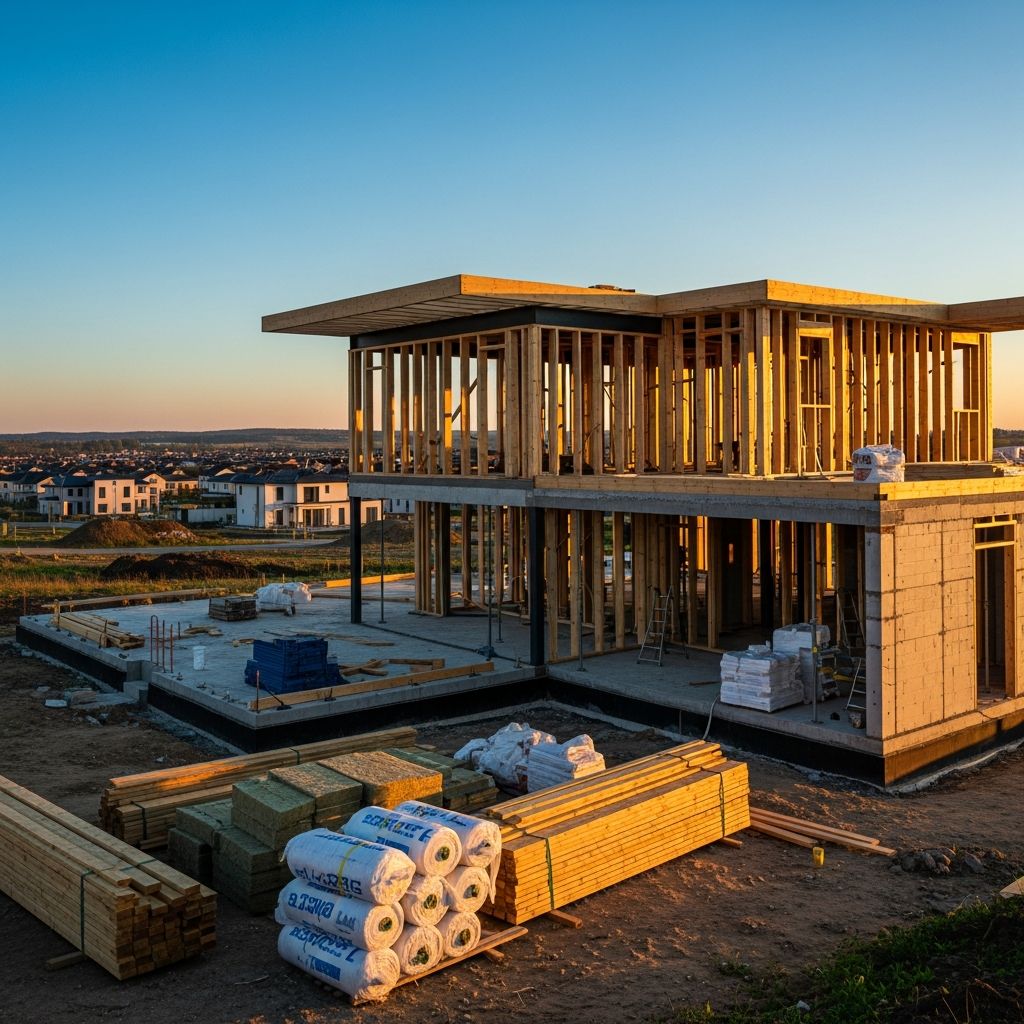
How Much Does It Cost To Build A House?
Building a new home from the ground up represents one of the most significant financial decisions a homeowner can make. Understanding the true cost of construction is essential for planning and budgeting effectively. In 2025, the landscape of home building costs has shifted due to various economic factors, material availability, and labor market conditions. This comprehensive guide will help you navigate the complexities of home construction costs and make informed decisions about your building project.
Average Cost to Build a House in 2025
The average cost to build a brand-new single-family home in 2025 is $323,026, according to recent data from HomeAdvisor. However, this figure represents just the midpoint of a much wider range. Depending on specific details of your home plans and local conditions, costs can range from as low as $138,937 to as high as $531,294. It’s important to note that these figures do not include the cost of land, which represents an additional significant expense that varies dramatically by location.
The construction costs are typically split fairly evenly between labor and materials, though luxury finishes and high-end upgrades can substantially increase the overall price. Understanding this baseline will help you establish realistic expectations for your building project.
Construction Costs Per Square Foot
One of the most useful metrics for estimating home building costs is the per-square-foot pricing model. The average cost of building a home ranges between $150 and $300 per square foot, with the median price at approximately $166 per square foot in 2025. This metric provides a straightforward way to calculate estimated costs based on your desired home size.
| Square Footage | Average Construction Cost |
|---|---|
| 1,000 sq ft | $150,000 – $300,000 |
| 1,500 sq ft | $225,000 – $450,000 |
| 2,000 sq ft | $300,000 – $600,000 |
| 2,500 sq ft | $375,000 – $750,000 |
| 3,000 sq ft | $450,000 – $900,000 |
For example, if you’re planning to build a 2,000-square-foot home with mid-range finishes, you could expect costs around $330,000 to $360,000 in construction expenses alone, before accounting for land and other ancillary costs.
Breakdown of Construction Costs
To understand where your money goes when building a house, it’s helpful to examine the typical cost breakdown by construction phase. Labor and materials each comprise roughly 50% of total construction costs, though this can vary based on project complexity and local market conditions.
| Construction Phase | Average Cost |
|---|---|
| Excavation | $3,000 |
| Foundation, slab and piers | $9,260 |
| Roofing | $13,760 |
| Rough lumber | $16,000 |
| Finish lumber | $1,260 |
| Heating and ducting | $7,260 |
| Plumbing | $7,500 – $15,000 |
| Electrical wiring | $10,000 |
| Interior finishing | $50,000 – $175,000 |
The interior finishing phase typically represents the largest single cost category, as it encompasses flooring, cabinetry, countertops, paint, and other aesthetic elements that significantly impact the final appearance and functionality of your home.
Regional Price Variations
The cost to build a house depends significantly on its location. Geographic variations can create substantial differences in total project costs, even for identical home designs. Regional economic factors, labor availability, material sourcing, and local building codes all influence construction pricing.
For context, consider these regional differences: if you’re looking to build a 2,000-square-foot home in the South, you can expect it to run around $200,000. However, that same 2,000-square-foot home in the Northeast may cost approximately $310,000 to build. These figures account for regional construction costs but do not include land prices, which vary even more dramatically by location. Northeastern markets typically command premium prices due to higher labor costs, stricter building codes, and increased material expenses.
Key Factors Affecting Home Building Costs
Multiple variables influence the final cost of your home construction project. Understanding these factors will help you anticipate expenses and make strategic decisions about your build.
Location and Market Conditions
Your geographic location represents perhaps the most significant factor affecting construction costs. Urban areas typically have higher labor costs, more stringent building codes, and increased material expenses compared to rural locations. Local market demand, availability of skilled trades, and regional economic conditions all play crucial roles in determining final pricing.
Home Size and Design Complexity
Larger homes naturally require more materials and labor, resulting in higher total costs. However, home design complexity matters equally. Custom designs with unique architectural features, multiple stories, or intricate layouts typically cost more than simple, straightforward designs. Energy-efficient designs with advanced systems may command premium prices but can offer long-term savings.
Material Selection and Quality
The materials you choose significantly impact both cost and long-term value. Premium materials, energy-efficient windows, high-quality roofing, and luxury finishes will increase your budget substantially compared to standard-grade alternatives. However, investing in quality materials often pays dividends through durability and reduced maintenance costs.
Labor Costs
Labor typically comprises approximately 40% of overall new construction costs, with materials making up the remaining 60%. Labor availability and wages vary considerably by region. Areas with high demand for construction services and limited skilled trades often experience elevated labor costs. Seasonal variations can also affect labor pricing and project timelines.
Building Permits and Fees
Don’t overlook the cost of building permits, which range from $150 to $2,000 depending on home size and local regulations. These permits are required by law and ensure your construction meets local building codes and safety standards. Additional fees may apply for inspections, zoning approvals, and other municipal requirements.
Impact of Construction Material Costs
Building material costs have experienced significant volatility in recent years. Since December 2020, the cost of building materials has risen by 34%, outpacing both general inflation and income growth. This substantial increase reflects global supply chain disruptions, increased demand, and commodity price fluctuations.
Recent tariffs imposed on imported goods have added approximately $10,900 to the price of a new home on average. These tariff impacts continue to influence material costs and may affect your project budget depending on when you begin construction and what materials are required.
Building a Home vs. Buying an Existing Home
Many prospective homeowners wonder whether building a new home or purchasing an existing property makes better financial sense. In general, building a new home tends to cost more than buying an existing home. The median sale price for an existing home was $398,400 in February 2025, according to the National Association of Realtors. The average price to build a home is $323,026, but remember this does not include land costs.
When you add land acquisition to the building equation, new construction often becomes more expensive than purchasing an existing home. However, new construction offers distinct advantages including modern systems, energy efficiency, warranty protection, and the ability to customize your home according to your specific preferences and needs.
Additional Costs to Consider
Beyond the basic construction expenses, several additional costs can affect your total investment:
– Land acquisition: $3,000 to $150,000 depending on location and size- Land preparation: $1,500 to $5,600 for site clearing and grading- Framing: $20,000 to $50,000- Windows: $575 to $1,475 per window- Exterior painting: $1,810 to $4,509- Financing costs: Construction loan fees and interest- Insurance: Builder’s risk insurance during construction- Utilities connection: Water, sewer, electrical, and gas hookups- Landscaping: Initial site landscaping and hardscaping
Financing Your Home Construction
Unlike purchasing an existing home where you use a traditional mortgage, financing new construction requires different financial tools. Construction loans work differently than conventional mortgages and are specifically designed for building projects. These loans typically have different terms, interest rates, and payment structures tailored to the construction timeline.
Construction loans often feature adjustable interest rates tied to prime rate plus a margin. You typically pay interest-only during the construction phase, with payments based on the percentage of construction completed. Once the home is finished, you can refinance into a traditional mortgage or permanent loan.
For qualified buyers, builders may offer incentives including mortgage rate buydowns. A 2/1 buydown, for example, reduces your mortgage rate by 2% in the first year and 1% in the second year, offering significant monthly payment savings during the initial years of ownership.
Tips for Managing Construction Costs
Several strategies can help you manage and potentially reduce your home building costs:
– Choose a simpler design: Straightforward layouts with fewer custom features reduce both labor and material costs- Standardize selections: Using standard-size windows, doors, and fixtures reduces special order costs- Plan your timeline carefully: Building during off-seasons can sometimes reduce labor costs and improve contractor availability- Select mid-range finishes: Balance quality and aesthetics with budget considerations- Work with experienced builders: Builders with established supplier relationships and efficient processes often deliver better value- Get multiple bids: Compare quotes from multiple contractors and subcontractors- Avoid major changes: Design changes during construction are expensive; finalize plans before breaking ground
Frequently Asked Questions
Q: Does the $323,026 average cost include the land?
A: No, the average construction cost of $323,026 does not include land acquisition. You must budget separately for purchasing or preparing your building lot, which can range from $3,000 to $150,000 depending on location and property characteristics.
Q: What is the typical cost per square foot for building a house?
A: The average cost ranges between $150 and $300 per square foot, with a median of approximately $166 per square foot in 2025. This metric helps estimate costs based on your desired home size.
Q: Why do building costs vary so much by region?
A: Regional variations result from differences in labor costs, material availability, local building codes, construction demand, and economic conditions. For example, Northeast homes cost significantly more than Southern homes due to higher labor rates and stringent building standards.
Q: What financing options are available for new construction?
A: Construction loans are the primary financing vehicle for new builds, featuring different terms than traditional mortgages. These loans typically require interest-only payments during construction and can be refinanced into permanent mortgages once the home is complete.
Q: How much do building permits cost?
A: Building permit costs range from $150 to $2,000 depending on your home’s size and local regulations. These permits are mandatory and ensure your construction meets all local building codes and safety requirements.
Q: Is it cheaper to build a new home or buy an existing one?
A: Generally, buying an existing home is cheaper than building new construction when accounting for land costs. However, new construction offers advantages like modern systems, energy efficiency, and customization options that may justify the additional expense for your situation.
Q: How have recent tariffs affected home building costs?
A: Recent tariffs on imported goods have added approximately $10,900 to the average new home price. Combined with a 34% increase in building material costs since December 2020, these factors significantly impact your construction budget.
References
- How Much Does It Cost To Build A House? — Bankrate. 2025. https://www.bankrate.com/real-estate/cost-to-build-house/
- How much does it cost to build a house in 2026? — Autodesk Digital Builder. 2025. https://www.autodesk.com/blogs/construction/how-much-does-it-cost-to-build-a-house-in-2026/
- Should I Buy Or Build A House? Pros And Cons — Bankrate. 2025. https://www.bankrate.com/real-estate/build-or-buy-a-house/
- Is A New-Construction Home A Better Buy In Today’s Market? — Bankrate. 2025. https://www.bankrate.com/real-estate/is-new-construction-home-better-buy-todays-market/
- Median Home Prices and Housing Statistics — National Association of Realtors. 2025. https://www.nar.realtor/
Similar Articles








Read full bio of Sneha Tete