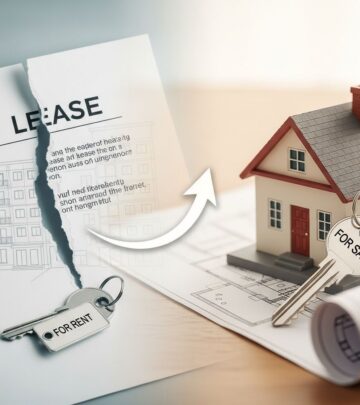
How Much Does It Cost To Break A Lease: 7 Costs To Expect
Complete guide to lease termination fees, legal consequences, and cost-saving strategies.

How Much Does It Cost to Break a Lease?
Breaking a lease before the end of your rental agreement can be a significant financial decision. Whether you’re relocating for a job, purchasing a home, or facing unexpected circumstances, understanding the potential costs involved is essential before taking action. The expense of breaking a lease varies considerably based on your specific lease terms, local rental laws, and your landlord’s policies.
The financial consequences of early lease termination can range from manageable to substantial, depending on multiple factors. Most tenants face early termination fees, potential loss of their security deposit, and possible legal consequences. Understanding these costs upfront can help you make an informed decision and explore alternatives that might save you money.
Typical Early Termination Fees
The most common cost associated with breaking a lease is the early termination fee. These fees represent the landlord’s compensation for the inconvenience and financial impact of tenant departure before the lease concludes.
Standard Fee Amounts
Early termination fees typically range from one to two months’ full rent payment. However, in some cases, these fees can be higher, reaching up to three months’ rent depending on your lease agreement and local market conditions. Courts generally consider fees exceeding two months’ rent as excessive and potentially unenforceable.
If your lease agreement includes a specific early termination clause, you’ll find the exact fee amount listed there. Some landlords may negotiate these fees, particularly if you provide substantial advance notice or if local rental market conditions favor landlords willing to re-rent quickly.
Loss of Security Deposit
Your security deposit is another significant financial consequence of breaking a lease. When you vacate before your lease ends, landlords often retain the deposit to cover the remaining lease period or property damage.
Landlords may deduct from your security deposit for:
– Remaining rent owed under the lease term
– Property damage beyond normal wear and tear
– Cleaning costs if the unit isn’t returned in acceptable condition
– Unpaid utilities or other outstanding charges
If the deductions exceed your security deposit amount, you may face additional financial liability. Many landlords pursue legal action to recover these excess costs.
Full Remaining Rent Obligation
In many jurisdictions, landlords can legally pursue tenants for the complete remaining balance of the lease if the tenant breaks the agreement without legal justification. This represents the most severe financial consequence possible.
For example, if you have eighteen months remaining on your lease at $1,500 monthly rent, you could theoretically be liable for $27,000 in unpaid rent. However, this obligation depends entirely on your lease terms and local tenant protection laws.
The important distinction is that many states require landlords to make reasonable efforts to re-rent the property, mitigating their damages. This means if your landlord successfully rents the property for the remaining lease period, your obligation decreases accordingly.
Court Judgments and Legal Costs
If your landlord pursues legal action for lease violations, you may face court judgments beyond your initial security deposit. Court judgments typically cover at least one month’s rent in damages. Additionally, you might incur legal fees for attorney representation, court filing costs, and other administrative expenses.
These legal proceedings can also negatively impact your rental history, making it more difficult and expensive to secure future rental accommodations. Landlords increasingly check applicants’ histories for prior lease disputes.
Advertising and Tenant Screening Costs
When you break your lease, your landlord must invest time and money finding a replacement tenant. These costs include:
– Online listing fees on rental platforms
– Background check expenses
– Credit report costs
– Application processing fees
– Property management company fees (if applicable)
– Photography and marketing materials
While landlords typically absorb these costs, many include them in early termination fees or pursue tenants for reimbursement.
Vacancy Losses
The period between when you move out and when a new tenant moves in represents lost rental income for your landlord. Even with aggressive marketing, re-renting a property typically takes 30 to 60 days. During this vacancy, the landlord receives no rent payment.
Some lease agreements make tenants responsible for these vacancy losses. Others allow landlords to charge vacancy costs as part of early termination procedures. The financial impact varies based on your local rental market—competitive markets may rent quickly, while slower markets could result in months of vacancy.
Damage and Unpaid Utilities
If your rental unit has damage beyond normal wear and tear when you vacate, landlords can deduct repair costs from your security deposit and potentially pursue additional compensation. Common damage claims include:
– Holes in walls or damaged flooring
– Broken appliances or fixtures
– Carpet stains or damaged carpet
– Missing doors or windows
– Unpaid utility bills
– Outstanding rent payments
If damage repair costs exceed your security deposit, the landlord can pursue legal action for the difference.
Strategies to Minimize Lease-Breaking Costs
Negotiate with Your Landlord
Before accepting the full early termination fee, attempt negotiating with your landlord. Present practical arguments: if you both agree to a lower fee, they can re-rent the property sooner at potentially higher rates, particularly in seller’s markets where rents are increasing.
Landlords may be motivated to negotiate if you:
– Provide 60+ days advance notice
– Have maintained an excellent payment history
– Keep the property in excellent condition
– Offer to help find a replacement tenant
Find a Replacement Tenant
Offering to find someone to take over your lease significantly reduces landlord losses and strengthens your negotiation position. Many landlords will accept a lower termination fee or waive it entirely if you provide a qualified replacement tenant with good credit and income verification.
Break Your Lease Near the End
If possible, time your lease break near your lease conclusion. Breaking a lease with only two months remaining is far less expensive than breaking it with twelve months remaining, as the landlord’s losses are minimal.
Request a Month-to-Month Agreement
Some landlords will convert a long-term lease to a month-to-month agreement, potentially at higher monthly rent. This flexibility allows you to move with minimal penalty once you’ve provided 30 days’ notice.
Legal Justifications for Breaking a Lease Without Penalty
Certain circumstances may allow you to break your lease without financial penalty, depending on your state or local jurisdiction.
Uninhabitable Conditions
If your rental unit becomes uninhabitable due to significant damage or necessary repairs, you may legally break your lease without penalty. Uninhabitable conditions include:
– No working heating or cooling systems
– No hot water or water supply
– Structural damage affecting safety
– Severe pest infestations
– Mold or toxic conditions
Military Service Activation
The Servicemembers Civil Relief Act (SCRA) allows active military members to terminate leases without penalty upon deployment or permanent relocation orders.
Domestic Violence
Many jurisdictions allow tenants experiencing domestic violence to break leases without penalty or through expedited termination procedures with reduced notice requirements.
Landlord Harassment or Lease Violations
If your landlord violates lease terms or local housing codes, you may have grounds to terminate without financial obligation. Documentation of violations is essential.
State-Specific Early Termination Rights
Some states provide statutory rights to break leases. For example, California tenants can terminate leases by providing 30 days’ written notice in certain circumstances. Consult your state’s tenant rights organization to understand your specific protections.
Breaking a Lease to Purchase a Home
Breaking your lease to buy a home presents a unique financial consideration. While you may sacrifice your security deposit and early termination fee, building equity through homeownership can outweigh these short-term costs.
When renting, your monthly payments build your landlord’s equity. When owning, your mortgage payments build your personal wealth. Depending on your financial situation, the long-term benefits of homeownership may justify early lease termination costs.
However, carefully calculate whether the costs of breaking your lease plus homebuying expenses (closing costs, inspections, appraisals) fit your budget before proceeding.
Understanding Your Lease Agreement
Your lease document is the foundation for understanding potential costs. Carefully review your lease for:
– Specific early termination fee amounts
– Notice requirements for lease termination
– Conditions that justify early termination
– Landlord responsibilities for re-renting
– Security deposit terms and deduction procedures
– Local laws referenced in the agreement
Many tenants overlook lease clauses that could significantly impact costs. Some leases include provisions allowing early termination under specific circumstances or at reduced fees if you provide substantial advance notice.
State and Local Rent Control Laws
Your state and local jurisdiction may impose limits on early termination fees and landlord responsibilities. Some jurisdictions prohibit excessive termination fees or require landlords to mitigate damages by re-renting properties promptly.
Familiarize yourself with local tenant protection laws before negotiating with your landlord or considering lease termination. Many jurisdictions offer tenant rights information through housing authorities or legal aid organizations.
Frequently Asked Questions
Q: Can a landlord charge unlimited early termination fees?
A: No. Courts generally consider early termination fees exceeding two months’ rent excessive and unenforceable. Your state or local jurisdiction may impose additional limits on permissible fees.
Q: Do I have to pay rent for the full lease term if I break early?
A: Not necessarily. Many states require landlords to mitigate damages by re-renting properties. You’re only responsible for rent during vacancy periods if your landlord fails to make reasonable re-renting efforts. Your specific obligation depends on your lease terms and local laws.
Q: Can my landlord keep my entire security deposit if I break my lease?
A: Landlords can only retain security deposits for legitimate purposes: remaining rent, property damage, and unpaid utilities. They cannot keep deposits simply because you vacated early. Excessive deductions may violate state security deposit laws, and you could recover wrongfully withheld amounts.
Q: How much advance notice should I provide my landlord?
A: Most leases require 30 to 60 days’ advance written notice. Providing additional notice—such as 90 days—demonstrates good faith and strengthens negotiation positions with landlords. Check your specific lease agreement for required notice periods.
Q: Can I negotiate my early termination fee?
A: Yes. Many landlords will negotiate lower fees if you provide substantial advance notice, maintain an excellent payment history, or offer to find a replacement tenant. Negotiation success depends on local market conditions and your landlord’s willingness to compromise.
Q: What happens if I simply move out without notifying my landlord?
A: Abandoning a rental unit creates serious consequences. Your landlord can pursue legal action for full remaining rent, accelerate collection efforts, damage your credit report, and potentially refer the matter to debt collectors. This approach is far more expensive than negotiating lease termination.
Q: Does breaking a lease affect my credit score?
A: Breaking a lease itself doesn’t directly impact your credit score. However, if your landlord obtains a court judgment against you for unpaid rent, that judgment appears on your credit report and damages your score. Additionally, future landlords check rental history and may reject applications due to prior lease violations.
Q: Can I break my lease due to a job relocation?
A: Job relocation typically doesn’t provide legal grounds to break your lease without penalty. However, you can negotiate with your landlord, find a replacement tenant, or pay the early termination fee. Some employers offer relocation assistance that may cover lease-breaking costs.
References
- Breaking a Lease Early: Risks and Consequences — Azibo. 2025. https://www.azibo.com/blog/breaking-a-lease-early
- How Much Does It Cost to Break a Lease? — TenantCloud. 2025. https://www.tenantcloud.com/blog/how-much-does-it-cost-to-break-a-lease
- Breaking a Lease to Buy a House: Can (and Should) You Do It? — Rocket Mortgage. 2025. https://www.rocketmortgage.com/learn/breaking-lease-to-buy-a-house
- Guide to the Early Termination of Lease Agreements — All Property Management. 2025. https://www.allpropertymanagement.com/blog/post/early-termination-of-lease-agreement/
- Servicemembers Civil Relief Act (SCRA) Military Lease Termination Rights — U.S. Department of Defense. 2024. https://www.military.com/benefits/veteran-benefits/scra-legal-assistance
- How to Break a Lease in California Without Penalty — Martinez Law Center. 2025. https://martinezlawcenter.com/how-to-break-a-lease-in-california-without-penalty/
Similar Articles








Read full bio of medha deb