Home Inspection Cost: Average Price And Key Factors
Learn about home inspection costs, what's included, and why it's essential for buyers and sellers.
How Much Does a Home Inspection Cost?
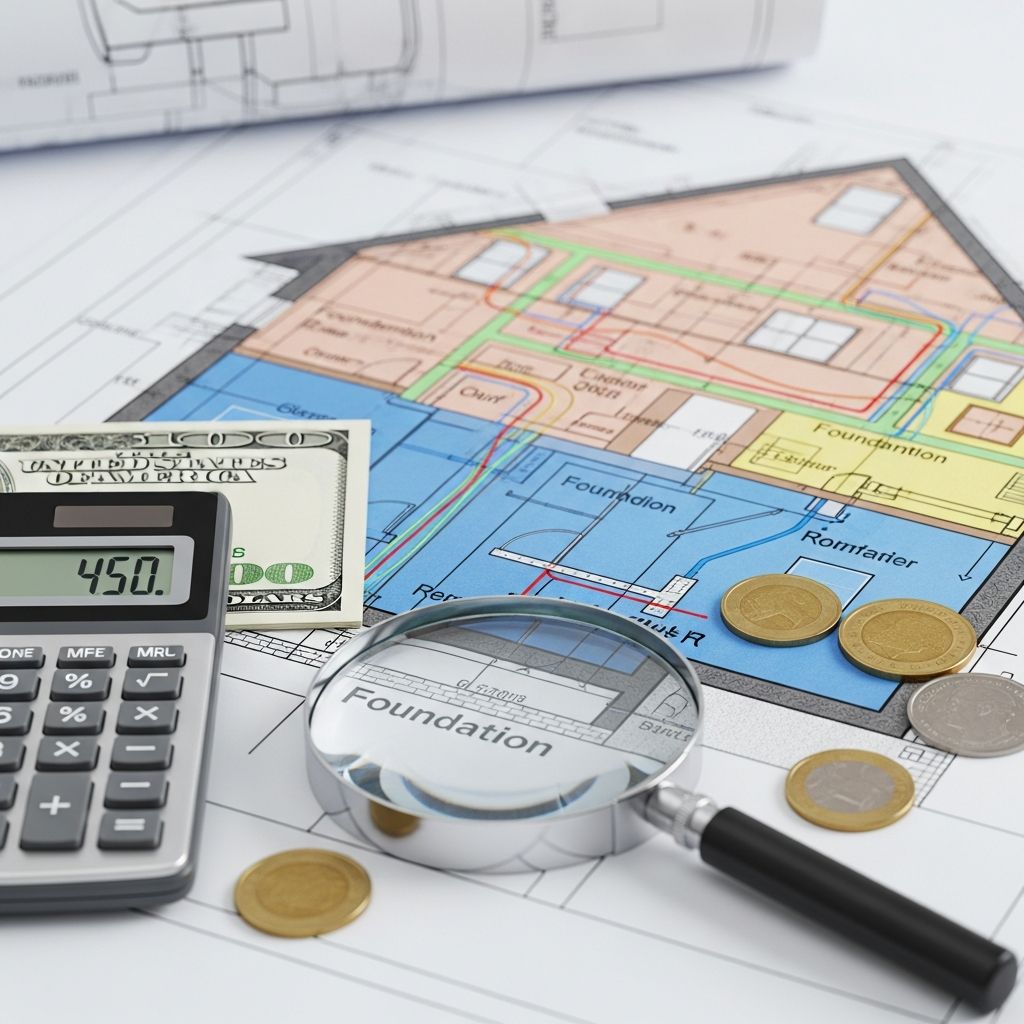
A home inspection is a vital step in the homebuying or selling process. It provides a detailed evaluation of a property’s condition, helping buyers and sellers make informed decisions. The cost of a home inspection can vary depending on several factors, including location, property size, and age. On average, most home inspections cost between $296 and $424, according to HomeAdvisor data. However, prices can range from $281 to $500 or more, especially for larger or older homes.
Factors That Affect Home Inspection Costs
- Location: Inspection costs can vary significantly by region. Urban areas or regions with higher living costs may have higher inspection fees.
- Property Size: Larger homes typically cost more to inspect because they require more time and effort.
- Age of the Home: Older homes may require more thorough inspections, which can increase the cost.
- Type of Inspection: Standard inspections cover the basics, while specialized inspections (e.g., for pools, septic systems, or radon) may cost extra.
What Does a Home Inspection Cover?
A professional home inspector evaluates the physical components and systems of a property, both inside and out. The inspection typically includes:
- Roof and attic
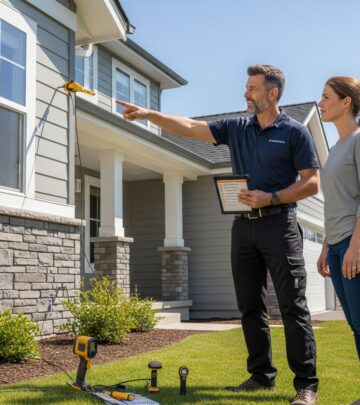
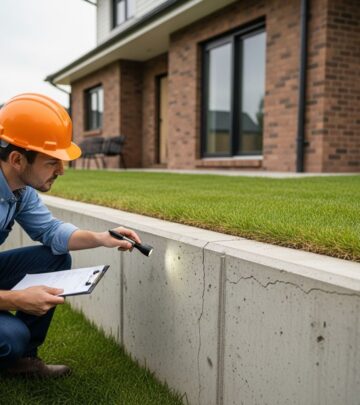
- Exterior walls, foundation, and drainage
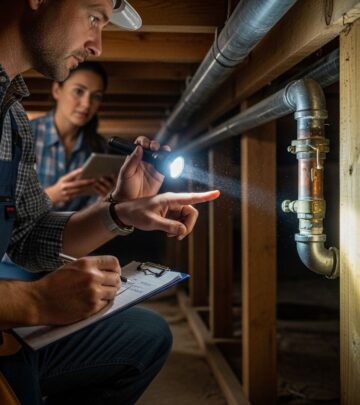
- Plumbing and electrical systems
- HVAC (heating, ventilation, and air conditioning)
- Interior walls, ceilings, and floors
- Windows and doors
- Appliances (if included in the sale)
What a Home Inspection Does Not Cover
While a home inspection is comprehensive, it does not cover everything. Inspectors generally do not evaluate:
- Environmental hazards (e.g., mold, asbestos, lead paint) unless specifically requested
- Structural engineering or architectural assessments
- Specialized systems (e.g., pools, septic tanks) unless requested
- Hidden or inaccessible areas
Why Is a Home Inspection Important?
A home inspection is crucial for several reasons:
- Identifies Potential Issues: Inspectors can uncover serious structural problems, safety hazards, or worn-out systems that may not be visible to the untrained eye.
- Provides Negotiating Leverage: If the inspection reveals significant issues, buyers can negotiate with sellers for repairs or a reduction in the purchase price.
- Protects Your Investment: Knowing the condition of a home helps buyers avoid costly surprises after the purchase.
- Peace of Mind: Sellers can use a pre-listing inspection to address issues before putting their home on the market, making it more attractive to buyers.
Home Inspection vs. Home Appraisal
While both a home inspection and a home appraisal are important in the real estate process, they serve different purposes:
| Home Inspection | Home Appraisal |
|---|---|
| Evaluates the condition of the property | Determines the market value of the property |
| Focuses on physical components and systems | Considers market trends and comparable sales |
| Typically costs $296-$424 | Typically costs $300-$400 |
| Not required by lenders | Required by lenders for financing |
When Is a Home Inspection Required?
Home inspections are not usually required by lenders, but they are highly recommended for buyers. Most buyers include a home inspection contingency in their purchase agreement, which means the sale is contingent upon the inspection findings. If the inspection uncovers major issues, the buyer may request repairs, a price reduction, or even back out of the purchase.
How to Prepare for a Home Inspection
Whether you’re buying or selling, there are steps you can take to prepare for a home inspection:
- For Buyers: Research and hire a qualified inspector, review the inspection report carefully, and be prepared to negotiate based on the findings.
- For Sellers: Address any obvious issues before the inspection, ensure all areas of the home are accessible, and be ready to provide documentation for recent repairs or upgrades.
Common Home Inspection Mistakes to Avoid
Here are some common mistakes buyers and sellers make during the home inspection process:
- Skipping the Inspection: Never skip a home inspection, even if the home seems perfect. It’s a small investment that can save you from costly surprises.
- Not Hiring a Qualified Inspector: Make sure your inspector is certified and experienced. Ask for references and check reviews.
- Ignoring the Inspection Report: Carefully review the inspection report and ask questions if anything is unclear.
- Overreacting to Minor Issues: Not every issue found during an inspection is a deal-breaker. Focus on major structural or safety concerns.
Home Insurance Inspection vs. Standard Home Inspection
It’s important to distinguish between a standard home inspection and a home insurance inspection:
| Home Insurance Inspection | Standard Home Inspection |
|---|---|
| Requested by home insurance company | Requested by potential home purchasers |
| Used to determine insurance risk and mitigate liability exposure | Used to determine quality of home to make purchase decision |
| Can be used to change coverage, adjust premium or deny coverage | Can be used to adjust purchase price, request amendments or walk away from home purchase |
| Is free to the homeowner | Is paid for by the potential home purchaser |
Frequently Asked Questions (FAQs)
Who Pays for the Home Inspection?
The buyer typically pays for the home inspection, though in some cases, the seller may cover the cost as part of the negotiation.
How Long Does a Home Inspection Take?
A home inspection usually takes two to three hours, but it can take longer for larger or more complex properties.
What Happens If the Inspection Uncovers Major Issues?
If the inspection reveals significant problems, the buyer can negotiate with the seller for repairs, a price reduction, or even cancel the purchase if the issues are too severe.
Can I Attend the Home Inspection?
Yes, buyers are encouraged to attend the inspection to ask questions and better understand the home’s condition.
Do I Need a Home Inspection for a New Construction Home?
Yes, even new construction homes can have issues. A home inspection can uncover problems that may not be apparent during the initial walkthrough.
What Is a Pre-Listing Inspection?
A pre-listing inspection is conducted by the seller before listing the home for sale. It helps identify and address issues early, making the home more attractive to buyers.
Conclusion
A home inspection is a crucial step in the real estate process, providing valuable information about a property’s condition. The cost typically ranges from $296 to $424, but can vary based on location, size, and age of the home. By understanding what a home inspection covers and why it’s important, buyers and sellers can make informed decisions and protect their investments.
References
- Home Inspection Cost and Checklist — Bankrate. 2023. https://www.bankrate.com/real-estate/home-inspection-checklist/
- Home Inspection vs. Home Appraisal — Bankrate. 2023. https://www.bankrate.com/real-estate/home-appraisal-vs-inspection/
- Home Insurance Inspection — Bankrate. 2023. https://www.bankrate.com/insurance/homeowners-insurance/insurance-inspection/
Similar Articles








Read full bio of Sneha Tete