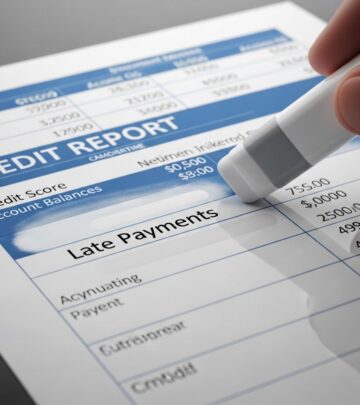
How Much Does a Late Payment Hurt Your Credit Score?
Discover the severe impact of late payments on your credit score, how long they linger, and proven strategies to recover and prevent future damage.
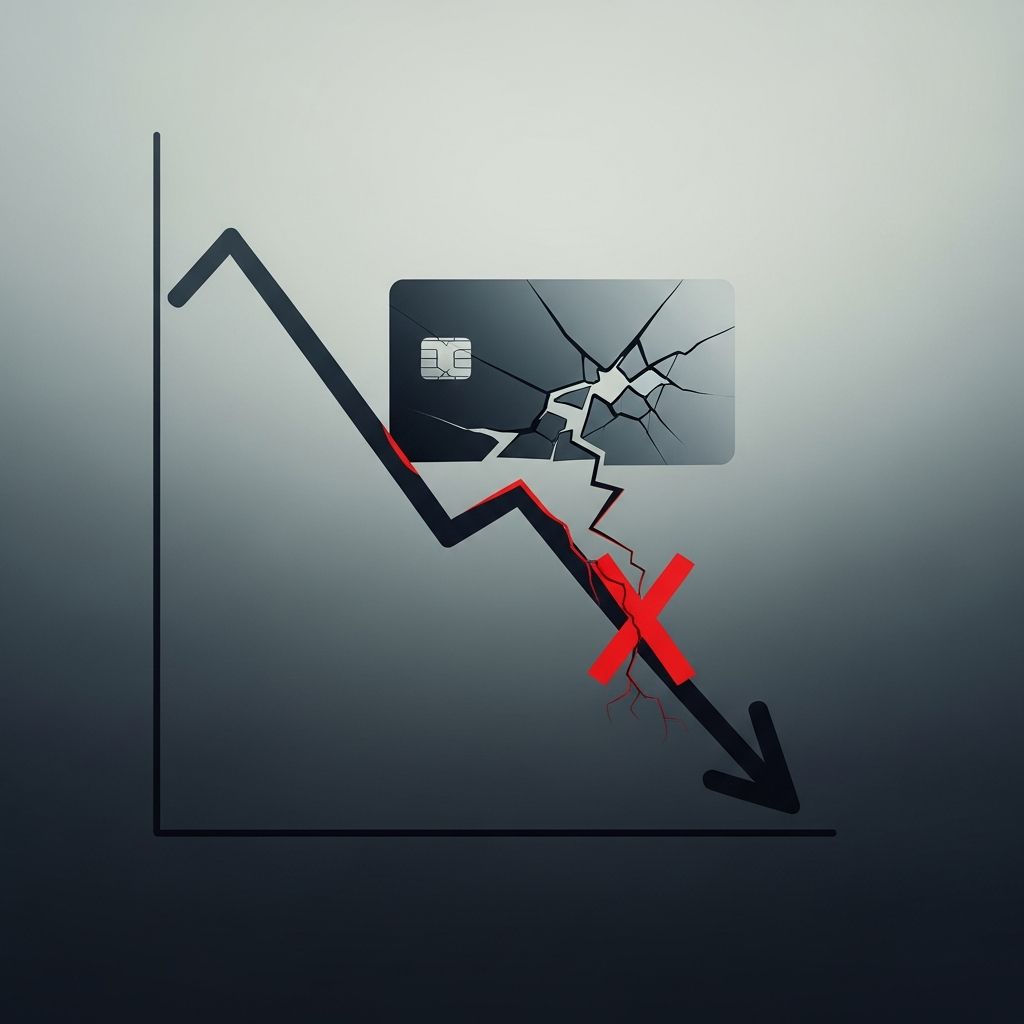
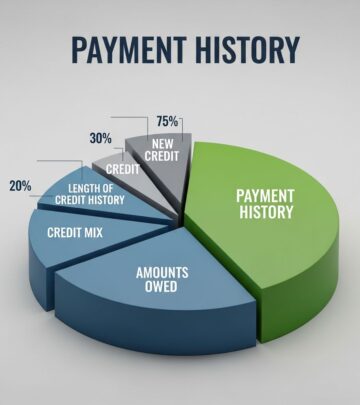
Making a late payment on your credit card, loan, or other debt can have serious consequences for your financial health. Payment history is the most significant factor in credit scoring models, comprising 35% of your FICO Score and 40% of VantageScore 3.0. A single 30-day late payment can cause your score to plummet by 60 to 110 points or more, depending on your prior credit profile. This damage doesn’t end quickly—it lingers on your credit report for up to seven years, potentially raising your borrowing costs and limiting access to loans, mortgages, and even rentals.
In this comprehensive guide, we’ll break down exactly how late payments affect your credit, when they get reported, their long-term repercussions, and actionable steps to minimize harm and rebuild. Whether it’s a one-day slip-up or a prolonged delinquency, understanding these mechanics empowers you to protect your credit.
When Does a Late Payment Get Reported to Credit Bureaus?
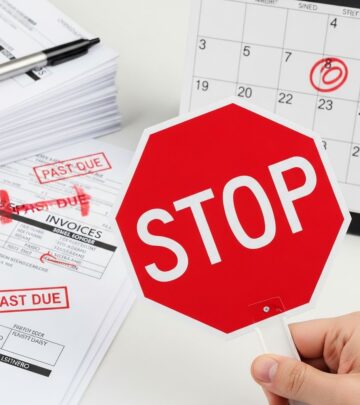
Creditors like banks and lenders don’t report every minor delay. A payment is considered ‘late’ for credit reporting purposes only after 30 days past the due date. Payments 1-29 days late may trigger fees from your lender but won’t appear on your Equifax, Experian, or TransUnion reports.
- Day 1-29 late: No credit report impact, but expect late fees ($30-$40 typical) and possible penalty APR hikes up to 29.99% on credit cards.
- 30+ days late: Reported to bureaus in 30-day increments (60, 90, 120 days), marking your account as delinquent.
- Grace periods vary: Credit cards often have none; mortgages or auto loans may allow 10-15 days before fees.
Pro tip: Set up autopay or calendar reminders to avoid the 30-day threshold. If you’re a day late, contact your lender immediately—many waive fees for first offenses if paid promptly.
How Much Does One Late Payment Hurt Your Credit Score?
The impact is substantial and immediate upon reporting. Payment history dominates scoring algorithms, so even one blemish disrupts your profile. Those with excellent credit (760+) suffer the biggest point drops—often 90-110 points—while fair credit holders (580-669) might see 40-60 points shaved off.
| Credit Score Range (Pre-Late Payment) | Estimated Drop from One 30-Day Late | Example Post-Drop Score |
|---|---|---|
| Excellent (760-850) | 90-110 points | 650-760 |
| Good (700-759) | 60-80 points | 620-699 |
| Fair (660-699) | 40-60 points | 600-659 |
| Poor (<660) | 20-40 points | Little change |
Note: These are averages based on FICO Score 8 and VantageScore models; actual drops vary by history length, utilization, and other factors.
Multiple lates compound damage: A 60-day late hurts more than 30-day, and patterns signal risk to lenders. Check your score via AnnualCreditReport.com or free tools from Experian to simulate impacts.
How Long Do Late Payments Stay on Your Credit Report?
Late payments remain visible for seven years from the original delinquency date, not the resolution date. A 30-day late reported on January 1, 2023, drops off January 1, 2030.
- Diminishing impact: New positive history (on-time payments) reduces its weight over time.
- Series of lates: All tied to the first miss; e.g., 30/60/90-day chain expires seven years from Day 30.
- Collections/charge-offs: If unpaid 120-180 days, it may transfer to collections, adding another negative mark (also 7 years).
While the mark persists, its scoring effect fades after 2-3 years with consistent good behavior. Automated drops occur; no action needed.
Other Consequences Beyond Your Credit Score
Late payments ripple beyond scores:
- Higher interest rates: Penalty APRs on cards; future loans at 2-5% higher rates.
- Fees: $30-$40 per late payment, plus lost rewards or intro offers.
- Account restrictions: Reduced limits, suspended privileges.
- Long-term hurdles: Denied mortgages, apartments, jobs requiring credit checks.
In severe cases, delinquencies lead to defaults, foreclosures, or repossessions, devastating scores for 7-10 years.
Can You Remove a Late Payment from Your Credit Report?
Goodwill letters work occasionally: Politely request removal from creditors, citing one-time issues like job loss. Success rate ~20-40%, best for long-standing customers.
- Dispute errors: If inaccurately reported (e.g., paid within 30 days), file free disputes with bureaus.
- Pay-for-delete: Rare and risky; not guaranteed, may violate agreements.
- No quick fixes: Services promising removal are often scams.
Prevention beats cure—focus on rebuilding instead.
How to Recover from a Late Payment
Scores rebound with discipline:
- Pay everything on time: Builds positive history rapidly.
- Lower utilization: Keep balances under 30% of limits.
- Add positive accounts: Secured cards or credit-builder loans.
- Monitor reports: Free weekly from AnnualCreditReport.com.
Expect 6-12 months for significant recovery; full pre-late levels in 2+ years.
Preventing Late Payments in the Future
Avoid repeats with smart habits:
- Autopay minimums due dates.
- Buffer payments 3-5 days early.
- Track via apps like Mint or bank alerts.
- Build emergency fund for 3-6 months expenses.
- Communicate hardships early for forbearance.
Frequently Asked Questions (FAQs)
What if I’m only 1-2 days late?
No credit impact, but fees possible. Pay ASAP to avoid 30-day reporting.
Does one late payment ruin my credit forever?
No—stays 7 years but fades with good habits. Many recover fully.
Which hurts more: credit card or loan late payment?
Similar impact; both weigh heavily in payment history.
Can I negotiate late payment removal?
Yes, via goodwill letter, especially if loyal customer.
How soon after a late payment can I apply for a loan?
Wait 3-6 months; recent lates raise red flags.
References
- Can One 30-Day Late Payment Hurt Your Credit? — Experian. 2024-10-22. https://www.experian.com/blogs/ask-experian/can-one-30-day-late-payment-hurt-your-credit-score/
- How do late payments affect credit scores? — Credit Karma (Intuit). 2024. https://www.creditkarma.com/credit/i/late-payments-affect-credit-score
- Does a One Day Late Payment Affect Your Credit Score? — Experian. 2024-10-22. https://www.experian.com/blogs/ask-experian/does-a-one-day-late-payment-affect-your-credit-score/
- How Does a Late Payment Affect Your Credit? — NerdWallet. 2024. https://www.nerdwallet.com/finance/learn/late-bill-payment-reported
- When Does a Late Credit Card Payment Show Up on Credit Reports? — Equifax. 2024. https://www.equifax.com/personal/education/credit-cards/articles/-/learn/when-late-credit-card-payments-post/
Similar Articles








Read full bio of Sneha Tete