How Much Car Insurance Coverage Do You Need?
Discover the right amount of car insurance to protect your finances, meet state laws, and cover unexpected accidents effectively.

Choosing the appropriate level of car insurance involves balancing legal obligations, financial risks, and personal circumstances. While state laws set minimum requirements, these often fall short of providing full protection against major accidents. This guide explores key coverage types, recommended limits, and factors to consider for comprehensive safeguarding of your assets and vehicle.
Understanding State-Mandated Minimums
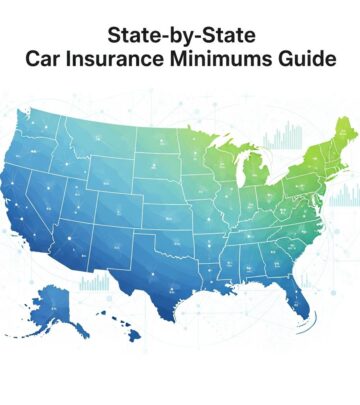
Every state except New Hampshire requires drivers to carry a baseline of liability insurance to operate a vehicle legally. These minimums typically include bodily injury liability, which covers medical expenses and lost wages for others injured in an at-fault accident, and property damage liability, which pays for repairs to other vehicles or structures.
For instance, Texas mandates at least $30,000 per person/$60,000 per accident for bodily injury and $25,000 for property damage. Illinois requires $25,000/$50,000 for uninsured motorist bodily injury and $20,000 for property damage. However, these limits may not suffice for severe crashes, where average bodily injury claims reached $26,501 in recent data.
- Bodily Injury Liability: Protects against claims from injuries you cause to others.
- Property Damage Liability: Covers repairs to property damaged by your vehicle.
- Uninsured/Underinsured Motorist: Shields you from drivers lacking sufficient coverage; required or offered in most states.
Exceeding minimums is advisable, as lawsuits can exceed state thresholds, potentially exposing personal savings.
Core Coverage Types Explained
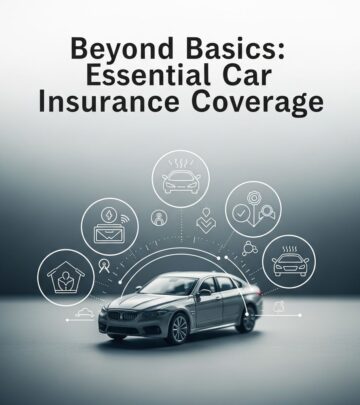
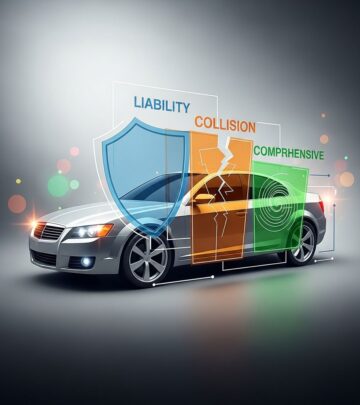
Beyond basics, several protections address specific risks. Liability forms the foundation, but additional policies handle your own vehicle’s damage and medical needs.
| Coverage Type | What It Covers | Required? |
|---|---|---|
| Liability (Bodily Injury & Property Damage) | Injuries and property damage to others when you’re at fault | Yes, in nearly all states |
| Collision | Damage to your car from collisions, regardless of fault | No, but often lender-required |
| Comprehensive | Non-collision damage like theft, vandalism, weather, or animals | No, but lender-required for financed cars |
| Uninsured/Underinsured Motorist | Your injuries from drivers without or with insufficient insurance | Varies by state |
| Medical Payments/PIP | Medical bills for you and passengers, no-fault basis | Required in no-fault states |
Collision and comprehensive, together known as ‘full coverage,’ repair or replace your vehicle up to its actual cash value after deductibles.
Assessing Your Personal Insurance Needs
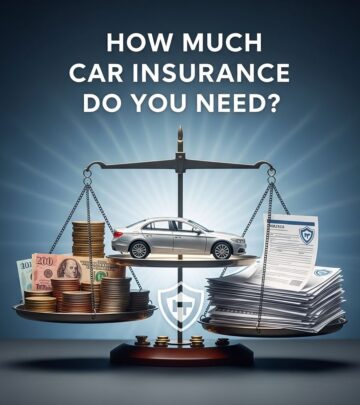
Financial exposure determines ideal limits. Calculate net worth—assets minus debts—to gauge liability needs. Aim for bodily injury coverage matching or exceeding this to prevent asset loss in lawsuits.
If you own a home or have savings, consider higher limits like 100/300/100 ($100,000 per person/$300,000 per accident bodily injury, $100,000 property damage). For leased or financed vehicles, lenders demand collision and comprehensive to protect their investment.
- High-net-worth individuals: Opt for umbrella policies adding $1 million+ in liability.
- Older vehicles: Skip collision/comprehensive if replacement cost is low.
- Frequent drivers in urban areas: Boost uninsured motorist coverage due to higher hit-and-run risks.
Full Coverage vs. Minimum: Weighing Costs and Benefits
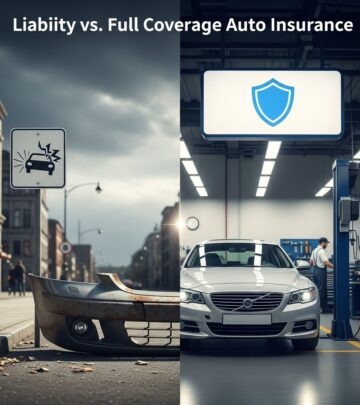
Full coverage includes liability plus collision and comprehensive, offering broad protection but at higher premiums. Minimum liability suits low-value cars but leaves you vulnerable for your own repairs.
Benefits of full coverage:
- Covers your vehicle in most scenarios.
- Essential for loans/leases.
- Peace of mind against theft or weather damage.
Drawbacks include deductibles (e.g., $500–$1,000) and premium hikes post-claims. Assess if out-of-pocket replacement is feasible without it.
Optional Add-Ons for Enhanced Protection
Tailor policies with extras like:
- Rental Reimbursement: Pays for a temporary car during repairs.
- Gap Insurance: Bridges loan balance and vehicle value if totaled early.
- Roadside Assistance: Towing, flat tire help.
- New Car Replacement: Full value for recent purchases.
These are valuable for new drivers or high-mileage users but increase costs.
Factors Influencing Your Coverage Amount
Several variables shape decisions:
- Location: Urban areas with dense traffic need higher liability.
- Vehicle Value: Expensive cars warrant comprehensive/collision.
- Driving Habits: Long commutes elevate uninsured motorist needs.
- Family Status: Households with teens may require more medical payments.
Shop quotes from multiple insurers, as rates vary by profile.
Strategies to Optimize Coverage and Savings
Achieve balance through:
- Higher deductibles to lower premiums.
- Discounts for safe driving, bundling, or anti-theft devices.
- Annual policy reviews as assets change.
Use online calculators from state insurance departments for personalized estimates.
Frequently Asked Questions
Is full coverage worth it?
Yes if financing a car or valuing repair coverage; otherwise, evaluate against replacement costs.
What if state minimums aren’t enough?
Increase limits or add umbrella insurance to protect assets beyond policy caps.
Do all states require the same coverages?
No—most mandate liability; no-fault states like add PIP.
Can I drop collision on a paid-off car?
Yes, if you can self-fund repairs, but weigh theft/weather risks.
How does credit affect insurance needs?
Not directly needs, but impacts rates in most states; focus on coverage first.
Steps to Determine Your Ideal Policy
- Check state minimums via official sites.
- Compute net worth for liability targets.
- Assess vehicle/financing status for full coverage.
- Compare quotes emphasizing high limits.
- Consult agents for add-ons.
Regular audits ensure alignment with life changes.
References
- 6 Types of Car Insurance Coverage — Allstate. Accessed 2026. https://www.allstate.com/resources/car-insurance/types-of-car-insurance-coverage
- How Much Car Insurance Do I Need? — NerdWallet. Accessed 2026. https://www.nerdwallet.com/insurance/auto/learn/how-much-car-insurance-you-need
- Auto Insurance Shopping Guide — Illinois Department of Insurance. Accessed 2026. https://idoi.illinois.gov/consumers/consumerinsurance/auto-insurance-shopping-guide.html
- Auto insurance guide — Texas Department of Insurance. Accessed 2026. https://www.tdi.texas.gov/pubs/consumer/cb020.html
- Auto Insurance — Georgia Office of Insurance and Safety Fire Commissioner. Accessed 2026. https://oci.georgia.gov/insurance-resources/auto
Similar Articles








Read full bio of Sneha Tete