How Moving Affects Your Car Insurance
Discover how relocating impacts your auto insurance rates, coverage needs, and policy requirements across states.
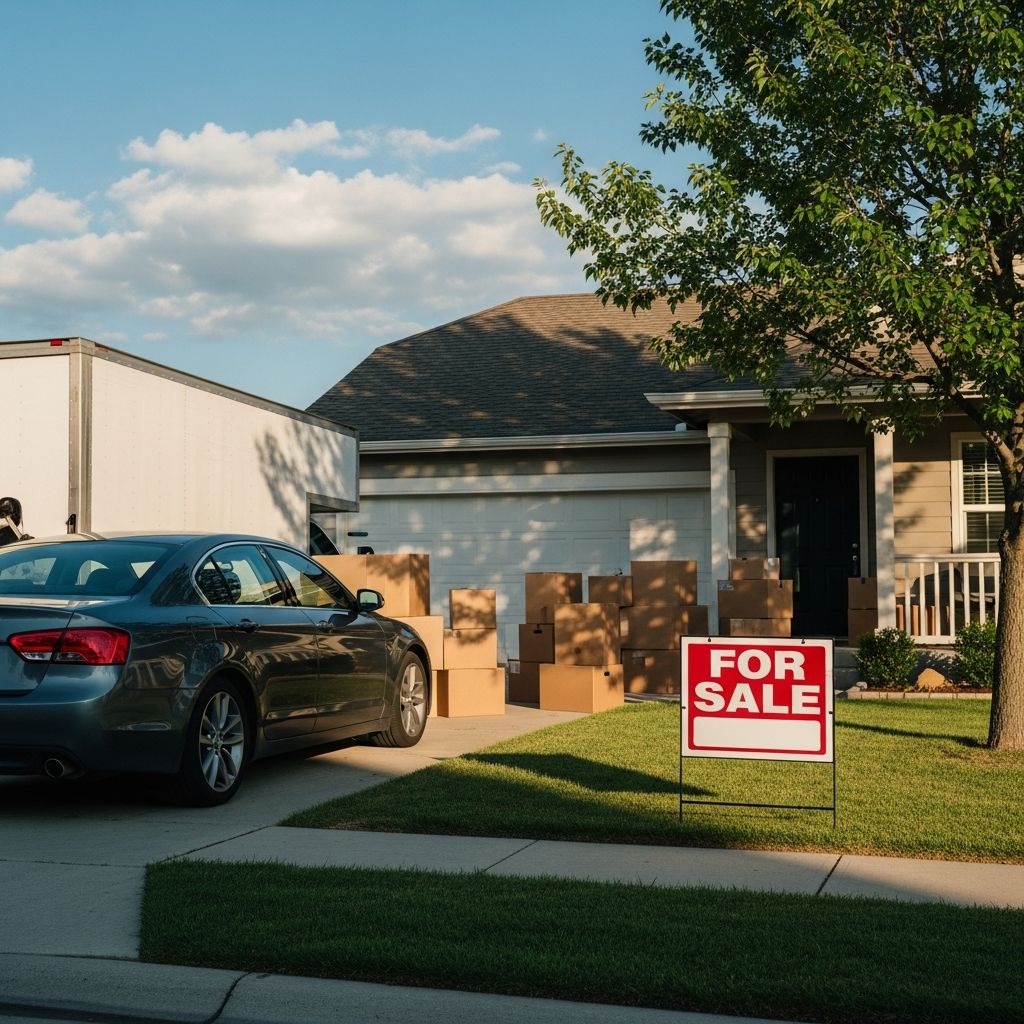
Relocating to a new residence often triggers adjustments to your car insurance policy. Factors such as geographic location, local regulations, and risk profiles in your new area directly influence premiums and coverage options. Whether staying within state lines or crossing them, proactive updates ensure compliance and potentially lower costs.
Key Factors Driving Insurance Changes After a Move
Insurance providers assess risk based on multiple variables that shift with relocation. Urban areas typically carry higher premiums due to increased accident likelihood and theft rates compared to rural zones. Daily commute length also plays a role; longer drives heighten exposure to hazards.
- Local claim frequency: Neighborhoods with frequent accidents or claims result in elevated rates.
- Traffic density: High-volume roads correlate with greater collision risks.
- Crime statistics: Areas prone to vehicle theft demand comprehensive coverage additions.
- Weather patterns: Regions with severe winters or hurricanes may require specialized protections.
These elements collectively determine if your rates rise, fall, or stabilize post-move. For instance, transitioning from a low-risk suburb to a bustling city often increases costs, while the reverse can yield savings.
In-State Moves: Simple Updates for Continued Coverage
When remaining in the same state, policy overhauls are rarely necessary. A simple address notification suffices to maintain validity. However, premiums may fluctuate based on the new zip code’s risk assessment.
Insurers like Progressive allow online or phone updates for seamless transitions. This process recalculates rates according to local data without voiding existing terms. Expect modest changes, as state mandates remain unchanged.
| Factor | Potential Impact | Example Change |
|---|---|---|
| Zip Code Shift | Rate Adjustment | +10-20% in high-risk areas |
| Commute Distance | Premium Increase | $50-100 annually |
| Garage Availability | Discount Eligibility | 5-15% savings |
Notify your provider at least two weeks prior to moving for accurate prorated billing. Failure to update could lead to claim denials if discrepancies arise during incidents.
Out-of-State Relocations: Comprehensive Policy Overhauls
Crossing state borders demands a fresh policy due to divergent legal frameworks. Each state enforces unique minimum coverages, from liability thresholds to mandatory add-ons like personal injury protection (PIP).
Your current insurer might not operate in the destination state, necessitating a switch. Even if available, the old policy cancels upon residency change, replaced by one compliant with new rules. Examples include:
- California’s no-fault system requiring PIP alongside liability.
- Arizona’s 30-day grace period post-registration for policy alignment.
- Alaska’s higher bodily injury minimums at $50,000 per person.
Moving from a fault-based to a no-fault state often elevates premiums due to expanded coverages like uninsured motorist protection.
Will Premiums Increase or Decrease?
Rate shifts depend on comparative state averages and local risks. National data shows variations: moving to high-cost states like Michigan or Louisiana typically raises expenses, while low-cost areas like Maine or Idaho offer relief.
Consider a driver relocating from rural Ohio to urban Florida: premiums might surge 30-50% from heightened theft and hurricane risks. Conversely, urban-to-rural moves frequently cut costs by 20% or more.
Average Annual Full Coverage Premiums by State (2025 Estimates)
| State | Average Premium | Key Risk Factor |
|---|---|---|
| Michigan | $2,500+ | High liability mandates |
| Idaho | $1,200 | Low population density |
| Florida | $2,800 | Fraud and weather events |
| Ohio | $1,400 | Moderate traffic |
Shop quotes from multiple carriers to leverage competition, potentially offsetting increases.
Step-by-Step Guide to Managing Insurance During Relocation
Timely action prevents lapses. Follow this sequence for smooth handling:
- Research new state mandates: Visit your destination’s Department of Insurance website for minimums (e.g., liability, UM/UIM).
- Contact current provider: Confirm service availability; request quotes if viable.
- Gather quotes: Compare 3-5 insurers for best rates and coverage.
- Secure new policy: Activate before canceling old one to avoid gaps.
- Update DMV details: Align registration, license within 30-90 days.
Begin 4-6 weeks ahead, especially for cross-state moves. Document all communications for records.
Common Pitfalls and How to Avoid Them
Overlooking updates risks invalidation. Key errors include:
- Assuming old policy suffices: Leads to denied claims.
- Canceling prematurely: Creates uninsured periods.
- Ignoring grace periods: Vary from 15-90 days; non-compliance fines apply.
- Not reevaluating coverage: Miss opportunities for discounts like multi-car or safe driver.
Verify policy alignment post-move via declarations page review.
Special Scenarios: Military, Students, and Temporary Moves
Military personnel may retain home-state policies under SOFA agreements. College students often qualify for away-from-home discounts if primarily insured elsewhere. Temporary relocations (e.g., job assignments) require rider discussions to bridge gaps.
Opportunities for Savings Post-Move
Use relocation as a reset:
- Bundle policies: Home and auto for 10-25% off.
- Defensive driving courses: Many states offer premium reductions.
- Telematics programs: Track safe habits for up to 30% savings.
- High-deductible options: Balance if cash flow allows.
Independent agents provide unbiased comparisons across carriers.
Frequently Asked Questions
What if my insurer doesn’t operate in my new state?
Switch providers; most offer recommendations or quote tools for quick transitions.
How soon must I notify of an address change?
Immediately upon knowing details, ideally 2-4 weeks prior, to adjust billing accurately.
Does moving affect my no-claims discount?
Typically preserved if continuous coverage; confirm with provider.
Can I drive uninsured during the move?
No—maintain active policy until new one activates to avoid penalties.
What documents prove residency for insurance?
Lease, utility bill, or DMV registration suffice for most insurers.
Relocation reshapes insurance landscapes, but informed steps safeguard protection and affordability. Regularly audit policies annually beyond moves for ongoing optimization.
References
- Do I Have to Change My Car Insurance When Moving? — Progressive. 2025. https://www.progressive.com/answers/how-moving-impacts-car-insurance/
- What Happens to My Car Insurance If I Move States? — Infinity Auto Insurance. 2025. https://www.infinityauto.com/knowledge-center/understanding-insurance/what-happens-car-insurance-if-move-states
- Guide to Car Insurance When Moving States — Mercury Insurance. 2025. https://www.mercuryinsurance.com/resources/life-family-tips/what-to-do-with-auto-insurance-when-moving.html
- Moving in Arizona? Here’s How Your Car Insurance Will Change — Oasis Insurance. 2025. https://www.oasisinsurance.com/blog/how-moving-in-arizona-affects-car-insurance/
- Car Insurance When Moving States: Everything You Need To Know — Car and Driver. 2025. https://www.caranddriver.com/car-insurance/a35715137/car-insurance-moving-states/
- Updating Vehicle Information in a New State: 4-Steps — Allstate. 2025. https://www.allstate.com/resources/car-insurance/car-moving-checklist
Similar Articles








Read full bio of medha deb