How Many Bank Accounts Do You Really Need?
Learn how many bank accounts you should have, which types to consider, and how to use each one to stay organized and reach your money goals faster.

As your finances grow more complex, relying on a single bank account can make it hard to stay organized, plan ahead, and reach your money goals. The right number of bank accounts depends on your income, obligations, and financial priorities, but using a small system of clearly defined accounts can make managing money far easier and less stressful.
This guide explains how to decide how many bank accounts you should have, the key types of accounts to consider, and how to structure and maintain them in a simple, practical way.
Why the Number of Bank Accounts Matters
The question isn’t only how many bank accounts you should have, but how many you can manage effectively while supporting your goals. Having too few accounts can blur the lines between spending, saving, and long-term planning, while having too many can be confusing and time-consuming to track.
Researchers and regulators highlight that households with clear budgeting and account structures are better able to avoid overdrafts, late fees, and high-cost borrowing, which directly supports long-term financial health.
- Too few accounts can lead to overspending because you can’t see at a glance what is reserved for bills or goals.
- Too many accounts can make you lose track of balances, due dates, and automatic transfers.
- The right system separates money by purpose so you always know what each dollar is meant to do.
How Many Bank Accounts Should You Have?
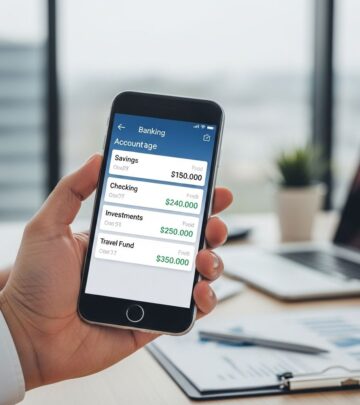
There is no single “correct” number of bank accounts, but many people do well with three to six accounts that each have a specific job. The ideal setup depends on your lifestyle, family situation, and financial goals.
Consumer finance educators, including government and nonprofit programs, commonly suggest using at least separate accounts for everyday spending and for savings, and often recommend a dedicated emergency fund as well.
A typical starting structure might look like this:
- 1–2 checking accounts
- 1 emergency savings account
- 1 general savings or sinking fund account
- 1 retirement or long-term investment account
From there, you can add more specialized accounts only if they solve a real problem or support a clear goal.
Key Checking Accounts to Consider
Checking accounts are designed for frequent transactions, debit card purchases, bill payments, and income deposits. They usually come with low or no withdrawal limits and immediate access to your money.
1. Everyday Spending Checking Account
This is your main account for day-to-day expenses such as groceries, gas, and small purchases. Your debit card for regular spending is tied to this account.
- Use it for variable expenses that change month to month.
- Connect it to budgeting apps if you use them.
- Keep just enough to cover planned spending plus a small buffer.
Keeping everyday spending separate from bills can reduce the risk of accidentally using funds meant for essential payments.
2. Bills-Only Checking Account
Many people find it helpful to maintain a second checking account strictly for fixed bills. You schedule automatic payments and direct debits from this account.
- Route your paycheck into this account or set an automatic transfer each pay period.
- Cover recurring expenses like rent or mortgage, utilities, insurance, and loan payments.
- Avoid using the debit card from this account for impulse spending.
The U.S. Consumer Financial Protection Bureau notes that automatic payments can simplify finances but require careful monitoring to avoid overdrafts and missed payments. A dedicated bill-pay checking account makes that monitoring much easier.
3. Business Checking Account (If Applicable)
If you run a business or side hustle, a separate business checking account is essential to keep personal and business finances apart.
- Separating accounts simplifies taxes and bookkeeping.
- Many business checking accounts include tools like invoicing or payment integrations.
- It helps demonstrate that your business is distinct from your personal finances, which can be important for legal and tax reasons.
In many countries, tax authorities and small-business agencies recommend separate business accounts so you can accurately track income and expenses.
Essential Savings Accounts
Savings accounts help you set money aside for future needs while keeping funds relatively safe and accessible. Different savings goals often benefit from separate accounts to avoid confusion.
4. Emergency Fund Savings Account
An emergency fund is money set aside for unplanned but important events, such as job loss, medical bills, or urgent car or home repairs. Authorities like the Federal Deposit Insurance Corporation (FDIC) and many nonprofit financial educators typically recommend saving several months’ worth of essential expenses in a separate account.
- Keep the account at a different bank or at least separate from your everyday checking to reduce temptation to spend it.
- Use a high-yield savings account if available, so your money earns some interest while staying accessible.
- Only use this account for true emergencies, not for regular bills or planned purchases.
5. Short-Term Goals or Sinking Fund Savings
Short-term goals are expenses you can reasonably predict and plan for within one to three years. Sinking funds are savings buckets for these known future costs, such as vacations, holidays, car maintenance, or annual insurance premiums.
- Create one general sinking fund or separate sub-accounts for each goal if your bank allows it.
- Automate monthly transfers based on your budget and timelines.
- Use these funds to avoid relying on credit cards when the expense arrives.
Splitting long-term savings from short-term sinking funds makes it easier to see whether you are on track for near-term plans without touching emergency reserves.
6. Big Life Goals Savings (Optional Separate Account)
For large upcoming goals like a home down payment, a wedding, or a major move, some people prefer an additional dedicated savings account. This can improve motivation and progress tracking.
- Give the account a clear name, such as “Down Payment Fund.”
- Transfer a fixed amount each month, just like a bill you pay to yourself.
- Consider a high-yield or online savings account for potentially higher interest.
Investment and Long-Term Accounts
Beyond checking and savings, long-term accounts are where you grow wealth and plan for retirement or other distant goals. Investment accounts usually involve some level of market risk but offer the potential for higher returns than typical savings accounts over time.
7. Retirement Accounts
Retirement accounts are designed to help you accumulate money for the years when you stop working. In many countries, these accounts come with tax advantages in exchange for keeping your money invested until retirement age.
- Employer-sponsored plans (such as 401(k)-type plans in the U.S. or workplace pensions elsewhere) may offer matching contributions, which can significantly boost your savings.
- Individual retirement accounts or personal pensions are useful if you are self-employed or want to save beyond your workplace plan.
- Investments typically include diversified funds, such as broad stock and bond funds, matched to your time horizon and risk comfort.
Official retirement and investor education sources emphasize starting early and contributing regularly to these accounts, since compound growth over decades can dramatically increase your final balance.
8. Taxable Investment Accounts
Taxable brokerage accounts can be used for long-term goals that come before retirement, such as financial independence, a future business, or funding large projects.
- Unlike retirement accounts, you can usually access these funds at any time without age restrictions, though taxes may apply to gains.
- They allow flexible investing strategies, from simple index funds to more complex portfolios.
- They are best suited for goals at least five years away, giving time to ride out market ups and downs.
9. Education Savings Accounts
If you are saving for a child’s education, dedicated education savings accounts can provide tax benefits and structure. Many countries offer specialized plans to support education savings.
- Education savings plans often allow invested contributions to grow tax-advantaged when used for qualified education expenses.
- Custodial or child-linked accounts can also be used to invest on a child’s behalf until they reach adulthood, depending on local rules.
- Check your local regulations or a reputable government or educational resource to understand available options.
Pros and Cons of Having Multiple Bank Accounts
Before opening additional accounts, consider the benefits and trade-offs so your system remains manageable.
| Advantages | Potential Drawbacks |
|---|---|
| Clear separation of spending, bills, and savings, making budgeting easier. | More accounts to monitor, which can be time-consuming if not automated. |
| Reduced risk of accidentally spending money reserved for bills or goals. | Risk of low balances spread across many accounts, which can trigger fees. |
| Better visibility into progress toward specific goals like a down payment. | Multiple banks mean multiple logins and terms to keep track of. |
| Opportunity to take advantage of higher interest rates or better features at different banks. | Some accounts may offer low or no interest, making them less efficient for larger balances. |
| Improved organization for business, personal, and family finances. | Can feel overwhelming if the system is more complicated than your needs. |
How to Decide Which Accounts You Need
The best way to determine how many bank accounts you should have is to work backward from your financial goals, obligations, and habits.
Step 1: List Your Financial Goals
Write down your key goals across different time frames:
- Short-term (0–2 years): e.g., building a small emergency buffer, paying off a credit card, a vacation.
- Medium-term (2–5 years): e.g., a home down payment, a car, starting or growing a business.
- Long-term (5+ years): e.g., retirement, financial independence, education for children.
Then match each goal to an appropriate type of account (checking, savings, or investment) based on how soon you’ll need the money and how much risk you are comfortable taking.
Step 2: Map Accounts to Jobs
Give every account a single, clear purpose. For example:
- Checking #1: everyday spending.
- Checking #2: bills and fixed payments.
- Savings #1: emergency fund.
- Savings #2: sinking funds and short-term goals.
- Investment #1: retirement.
- Investment #2: other long-term goals.
If an account does not have a clearly defined job, consider whether you really need it.
Step 3: Choose Where to Open Each Account
When selecting banks or providers, compare features such as:
- Monthly fees, minimum balance requirements, and overdraft policies.
- Interest rates on savings and whether the account is insured by a deposit protection scheme.
- Online and mobile banking tools that support alerts and automatic transfers.
- Customer service reputation and access to ATMs or branches if you need them.
Official consumer protection agencies recommend reviewing account disclosures carefully and watching for hidden or avoidable fees.
Step 4: Automate Transfers and Payments
Automation is the key to handling multiple accounts without feeling overwhelmed.
- Set up direct deposit into your main checking account.
- Schedule automatic transfers to savings and investment accounts shortly after payday.
- Automate recurring bills from your designated bill-pay checking account.
- Use alerts to notify you of low balances, large transactions, or upcoming due dates.
Managing and Reviewing Your Accounts
Once your system is in place, regular check-ins help keep everything running smoothly and allow you to adjust as your life changes.
- Monthly: Review balances and transactions, confirm bills were paid, and adjust transfers if needed.
- Quarterly: Revisit savings goals and re-label or merge accounts if some goals are completed.
- Annually: Evaluate whether each account continues to serve a purpose, and close any that are redundant or costly.
If you decide to close or move accounts, follow your bank’s procedures carefully and ensure all direct deposits and automatic payments have been updated to avoid missed bills or fees.
Frequently Asked Questions (FAQs)
Q: Is it bad to have many bank accounts?
Having multiple bank accounts is not inherently bad. Problems arise when accounts are hard to track, charge unnecessary fees, or don’t have a clear purpose. As long as you can manage them, avoid fees, and use each account intentionally, multiple accounts can be very helpful.
Q: How many checking accounts should I have?
Many people find that one or two checking accounts is enough: one for everyday spending and, optionally, one for bills. Additional checking accounts are usually only necessary for business or very specialized needs.
Q: How many savings accounts make sense?
At a minimum, having a dedicated emergency fund plus one general savings or sinking fund account works well. You can add extra savings buckets for major goals if it helps you stay organized and motivated, but avoid spreading small balances across too many accounts.
Q: Do multiple bank accounts hurt my credit score?
Standard checking and savings accounts do not directly affect your credit score, because they are not credit products. However, unpaid fees or overdrafts that are sent to collections can indirectly harm your credit. Managing your accounts carefully and avoiding unpaid negative balances helps protect your credit.
Q: Should I keep my emergency fund at the same bank as my checking?
You can, but many people prefer to keep their emergency fund at a separate bank or in a separate high-yield savings account to reduce the temptation to tap it for everyday spending while still keeping it accessible for true emergencies.
References
- Money Management International: Choosing and Managing a Bank Account — Money Management International (nonprofit). 2023-01-10. https://www.moneymanagement.org/financial-tools/credit-articles/banking/choosing-and-managing-a-bank-account
- Managing Your Checking Account — Consumer Financial Protection Bureau. 2022-09-15. https://www.consumerfinance.gov/consumer-tools/bank-accounts/manage/
- Emergency Savings — FDIC (Federal Deposit Insurance Corporation). 2022-06-01. https://www.fdic.gov/resources/consumers/money-smart/topics/emergency-savings.html
- Small Business Banking Tips — U.S. Small Business Administration. 2023-02-20. https://www.sba.gov/article/2021/jul/07/4-tips-choosing-bank-your-small-business
- Investing for Retirement — U.S. Securities and Exchange Commission, Investor.gov. 2023-03-30. https://www.investor.gov/introduction-investing/investing-basics/retirement
- Saving for Education — U.S. Securities and Exchange Commission, Investor.gov. 2023-03-15. https://www.investor.gov/introduction-investing/basics/saving-education
Similar Articles








Read full bio of Sneha Tete