How Long to Build Credit?
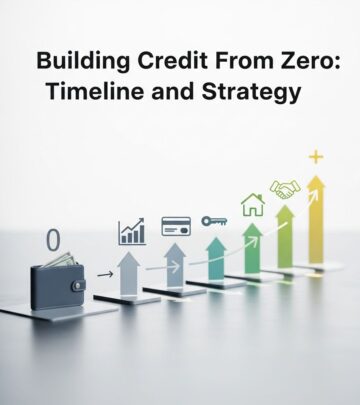
Discover realistic timelines and proven strategies to establish strong credit from nothing, reaching a solid score in months to years.

Establishing a solid credit history from zero typically requires
six months to two years
of consistent responsible behavior, depending on your starting point and methods used. Most credit scoring models need at least six months of activity to generate an initial score, but reaching a good range like 700+ often demands one to two years of on-time payments and low debt usage.Understanding Credit Timelines: From Zero to Scorable
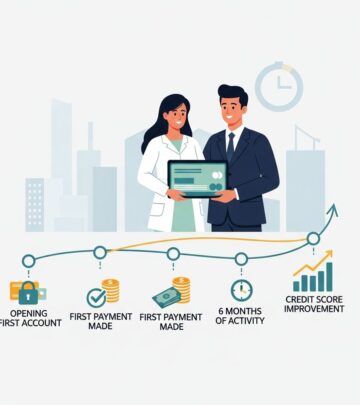
Credit bureaus like Experian, TransUnion, and Equifax begin tracking your activity once you open your first qualifying account, such as a credit card or loan. Without any history, you’re considered “credit invisible,” limiting access to loans, apartments, or jobs. The first milestone is becoming scorable, which happens after about six months of reported payments.
Progress accelerates with positive habits: on-time payments build 35% of your FICO score, while keeping balances under 30% of limits boosts another 30%. Patience is key, as scores improve gradually with each reported cycle, usually monthly. Factors like income stability and avoiding new inquiries also influence speed.
Core Factors That Speed Up or Slow Credit Building
- Payment History: The biggest factor; even one late payment can set you back months.
- Utilization Ratio: Aim below 30%; high balances signal risk to lenders.
- Account Age: Older accounts improve scores over time.
- Credit Mix: A blend of revolving (cards) and installment (loans) helps diversity.
- New Credit: Too many applications hurt; space them out.
Young adults or immigrants often start here, facing higher rates initially. Consistent effort yields results faster than sporadic actions.
Best Tools for Beginners: Secured Cards Explained
**Secured credit cards** stand out as the top entry point, requiring a refundable deposit that sets your limit—say, $200 to $500. This deposit protects issuers while letting you prove reliability. Use for small purchases like gas, pay in full monthly, and watch your score rise as activity reports to bureaus.
Benefits include no credit check for approval, potential upgrades to unsecured cards after six to 12 months, and deposit return upon closure. Choose issuers reporting to all three bureaus. Avoid high fees; student versions skip deposits for eligible college-goers.
| Secured Card Pros | Secured Card Cons |
|---|---|
| Builds history safely | Requires upfront deposit |
| Easy approval | May have fees |
| Path to unsecured upgrade | Lower limits initially |
Credit-Builder Loans: Save While Scoring
These specialized loans flip traditional borrowing: funds are held in savings until you repay via fixed monthly installments over six to 24 months. Amounts range $300-$1,000; you get the money plus interest earned at term end.
Ideal for disciplined savers, they report as installment debt, diversifying your mix. Credit unions and banks offer them cheaply. Confirm bureau reporting upfront. Unlike regular loans, no spending temptation exists, minimizing risk.
Alternative Paths Without Traditional Credit
- Authorized User: Join a trusted family member’s card; their history may boost yours if positive.
- Store/Gas Cards: Low-limit retail cards approve easily for everyday buys.
- Rent/Utilities Reporting: Services add payments to your file.
- Hybrid Debit-Credit Cards: No-deposit options blending debit security with credit reporting.
Avoid prepaid/debit cards—they don’t build credit. Cosigners help but tie your score to theirs.
Daily Habits for Maximum Progress
Success hinges on routines: Set autopay for bills, track spending via apps, request limit increases after six months (low utilization), and monitor free weekly reports at AnnualCreditReport.com. Diversify gradually—add a loan after card stability.
Steer clear of debt traps: Only charge affordable amounts, shun payday loans, and dispute errors promptly. Financial education via bank tools accelerates learning.
Realistic Milestones and Expectations
| Timeframe | Milestone | Actions Needed |
|---|---|---|
| 0-6 Months | Scorable History | Open secured card/loan, pay on time |
| 6-12 Months | Fair Score (580-669) | Low utilization, no lates |
| 1-2 Years | Good Score (670-739) | Add mix, age accounts |
| 2+ Years | Excellent (740+) | Consistent history |
Variations occur; thin files score conservatively.
Common Mistakes That Delay Progress
- Maxing limits early.
- Missing payments—even 30 days late hurts.
- Closing old accounts, shortening history.
- Applying everywhere, racking inquiries.
- Ignoring utilization across all cards.
Recovery from mistakes takes equal time; prevention is easier.
Special Situations: Students, Immigrants, Rebuilders
Students qualify for no-deposit cards with school ID. Immigrants use ITINs for secured options. Rebuilders after bankruptcy start similarly but focus on secured tools. All benefit from the same basics.
Monitoring Your Journey
Free tools from bureaus and banks track progress. Savvy services like Experian Boost add utility payments instantly. Aim for quarterly checks.
FAQs
Can I build credit without a credit card?
Yes, credit-builder loans and authorized user status work well.
How fast can I get a 700 score?
One to two years with perfect habits.
Do prepaid cards help?
No, they don’t report as credit.
What’s better: secured card or loan?
Start with a card for revolving history, add loan for mix.
Does checking my score hurt?
Soft pulls don’t; hard pulls do temporarily.
Long-Term Benefits of Strong Credit
Beyond scores, good credit unlocks lower rates on mortgages (saving thousands), better rentals, job offers, and insurance premiums. Invest time now for lifelong gains.
References
- How to Build Credit From Scratch: The Path to a 700+ Credit Score — RMCU. 2023. https://rmcu.net/blog/how-to-build-credit-from-scratch
- How to Build Your Credit Successfully — Intuit Blog. 2023. https://www.intuit.com/blog/innovative-thinking/financial-tips/build-credit/
- How to Build Credit: A Comprehensive Guide — Experian. 2025-03-15. https://www.experian.com/blogs/ask-experian/credit-education/improving-credit/building-credit/
- How to Build Credit from Scratch — 1st Source Bank. 2024. https://www.1stsource.com/advice/build-credit-from-scratch/
- What are some ways to start or rebuild a good credit history? — Consumer Financial Protection Bureau (CFPB). 2025-02-10. https://www.consumerfinance.gov/ask-cfpb/what-are-some-ways-to-start-or-rebuild-a-good-credit-history-en-2155/
- How to Start Building Credit When Starting From Scratch — Bank of America Better Money Habits. 2024. https://bettermoneyhabits.bankofamerica.com/en/credit/start-building-credit
- How to Build Credit – Establish Credit — Wells Fargo. 2025-01-20. https://www.wellsfargo.com/financial-education/credit-management/build-credit/
Similar Articles








Read full bio of Sneha Tete