Eviction Record Duration Guide
Discover how long eviction records linger on tenant screenings and credit reports, plus strategies to minimize long-term rental and financial damage.

Eviction records generally persist on tenant screening reports for up to seven years, governed by the Fair Credit Reporting Act (FCRA), though they do not directly appear on standard credit reports unless linked to collections or judgments.
Understanding Eviction Records and Their Scope
Public court filings for evictions become part of accessible records that landlords review during applications. These differ from credit reports, which focus on financial obligations rather than housing disputes. Tenant screening services compile data from court databases, revealing filings, judgments, or dismissals that signal risk to property owners.
Key distinction: the eviction process itself—filing, notice, or court judgment—shows in rental history checks, not FICO scores directly. However, unpaid balances from these cases often transfer to collections, bridging into credit impacts.
Standard Timeframes for Eviction Visibility
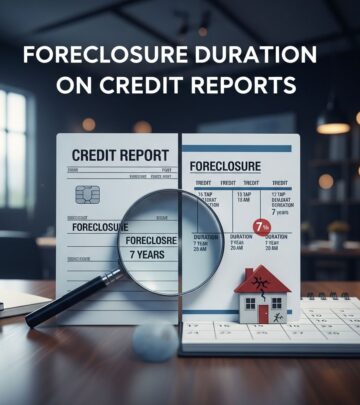
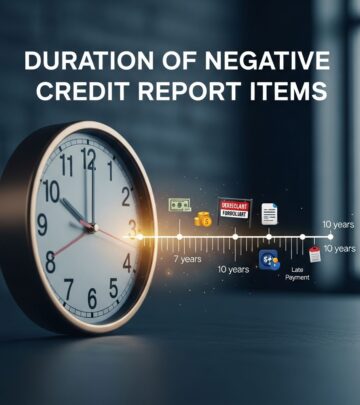
Federal regulations cap negative public record reporting at seven years from the filing date or delinquency origin. This applies uniformly to most eviction-related entries:
- Court records: Remain public indefinitely in many jurisdictions, but screening firms limit reports to seven years per FCRA.
- Tenant screenings: Evictions appear for seven years, aligning with judgments and Chapter 13 bankruptcies.
- Extended cases: Chapter 7 bankruptcies linked to evictions may extend to ten years; criminal elements have no limit.
State variations exist, with some courts purging older files or offering sealing after shorter periods.
Evictions Versus Credit Report Entries
| Record Type | Appears On | Duration | Impact |
|---|---|---|---|
| Eviction Filing/Judgment | Tenant Screening Reports | Up to 7 years | Blocks rentals |
| Collections from Unpaid Rent | Credit Reports (Equifax, Experian, TransUnion) | 7 years from first delinquency | Lowers credit score |
| Money Judgments | Credit & Screening Reports | 7 years | Financial barriers |
| Bankruptcy (Ch. 7) | Credit Reports | 10 years | Broad credit denial |
Collections arise when landlords sell debts, reported from the initial missed payment date. Major bureaus ceased most civil judgments post-2017, narrowing credit effects.
Real-World Consequences of Eviction Marks
An eviction filing alone can reject 70-80% of applications, as landlords prioritize low-risk tenants. Combined with collections, scores drop 100+ points, complicating loans or utilities.
Over 1.1 million U.S. filings annually exacerbate housing instability, per recent tracking. Low-income renters face cycles where one eviction hinders future approvals for years.
Strategies to Remove or Seal Eviction Records
Proactive steps can shorten visibility:
- Sealing/Expungement: Eligible if dismissed, paid, or via attorney petition; varies by state (e.g., some seal non-judgment cases).
- Dispute Errors: Challenge inaccuracies in screenings under FCRA; bureaus must verify within 30 days.
- Pay Debts: Settle collections to note ‘paid,’ though history lingers seven years.
- Legal Aid: Free services help file motions; success rates improve outcomes.
Courts increasingly offer diversion programs post-COVID, preventing records for hardship cases.
Rebuilding After an Eviction
Recovery demands consistent effort:
- Monitor Reports: Pull free annual credit and screening reports to track entries.
- Build Positive History: Seek second-chance housing, co-signers, or private landlords tolerant of past issues.
- Boost Credit: Timely payments on new accounts; secured cards help scores rebound.
- Documentation: Provide pay stubs, references to offset records during applications.
Many regain approvals within 2-3 years by demonstrating stability.
Preventing Eviction Escalation
Avoid filings through early action:
- Negotiate payment plans with landlords before court.
- Use rental assistance programs from HUD or local agencies.
- Communicate hardships promptly to explore alternatives like cash-for-keys.
FCRA empowers consumers; request screening details pre-decision.
Frequently Asked Questions
Will an eviction lower my credit score directly?
No, evictions themselves do not appear on credit reports. Only associated collections or judgments do, lasting seven years from delinquency.
Can I rent with an eviction on my record?
Yes, particularly with private owners or programs for formerly evicted tenants. Offer higher deposits or references to improve chances.
How do I check for eviction records?
Access local court databases or order tenant screening reports from services like those used by landlords.
Does paying off eviction debt remove the record?
It updates to ‘paid’ on credit but does not erase the seven-year history or court filing.
Are there time limits by state?
Some impose shorter reporting (e.g., 3-5 years); check local laws or consult attorneys.
Navigating Modern Rental Markets
Post-pandemic reforms in several states limit automated rejections based on evictions, emphasizing holistic reviews. Algorithms now weigh recency and context, favoring renters with recent positives.
For immigrants or those with limited U.S. history, records weigh heavier; build via stable utility payments.
Financial education platforms offer simulators predicting score recovery timelines based on habits.
References
- How long can an eviction stay on your record? (2026) — ConsumerShield. 2026. https://www.consumershield.com/articles/how-long-eviction
- How long does an eviction stay on record — LeaseRunner. N/A. https://www.leaserunner.com/blog/how-long-does-an-eviction-stay-on-record
- How Long Does an Eviction Stay on Your Record? — LawInfo. N/A. https://www.lawinfo.com/resources/landlord-tenant/eviction-and-unlawful-detainer/how-long-does-an-eviction-stay-on-your-record.html
- How Long Does Eviction Stay on Your Record — Chicago Debt Pros. N/A. https://chicagodebtpros.com/blog/how-long-does-eviction-stay-on-your-record/
- How Long Does an Eviction Stay on Your Record? — Experian. N/A. https://www.experian.com/blogs/ask-experian/how-long-does-eviction-stay-on-report/
- How Does Eviction Affect Credit Scores? — Equifax. N/A. https://www.equifax.com/personal/education/credit/score/articles/-/learn/how-does-eviction-affect-credit-score/
- How Eviction Can Affect Your Credit Report — Bankrate. N/A. https://www.bankrate.com/personal-finance/credit/the-impact-of-eviciton-on-your-credit/
Similar Articles








Read full bio of Sneha Tete