How Long Does Fresh Produce Last: Practical Storage Guide
Maximize your grocery budget by learning how long fresh produce lasts and smart storage tips to reduce waste.
Fresh produce brings nutrition, flavor, and color to your meals, but it can spoil quickly if not handled right. Knowing
how long produce lasts
helps you plan shopping, reduce food waste, and stretch your grocery budget. This guide covers shelf life for common fruits, veggies, and herbs, plus proven storage tips from USDA guidelines and food safety experts.Food waste costs U.S. households an average of $1,500 yearly, much from spoiled produce. Proper storage extends freshness, saving money and resources. We’ll break down shelf life by category, storage methods, and what to do when produce nears its end.
Understanding Produce Shelf Life
Shelf life varies by type, ripeness at purchase, and storage conditions. Factors like temperature (ideally 32-40°F in the fridge), humidity, and exposure to ethylene gas—a natural ripening hormone—affect longevity. Ethylene producers like apples and bananas speed ripening in sensitive items like leafy greens and berries.
General rules: Refrigerate most produce promptly. Room temperature suits tropical fruits like bananas and tomatoes briefly. Always check for spoilage signs: mold, sliminess, off odors, or discoloration.
How Long Do Fruits Last?
Fruits range from quick-spoilers like berries (3-7 days) to hardy ones like apples (1-2 months refrigerated). Here’s a detailed breakdown:
| Fruit | Counter (days) | Fridge (days) | Storage Tips |
|---|---|---|---|
| Apples | 7-14 | 30-60 | Store loose in crisper; separate from ethylene-sensitive produce. |
| Avocados | 3-7 (ripe) | 5-7 (ripe) | Ripen at room temp; refrigerate once ripe. Wrap cut halves in plastic. |
| Bananas | 2-7 | 2-5 (ripe) | Hang in cool spot away from other fruit; fridge darkens peel but preserves flesh. |
| Berries (strawberries, blueberries, raspberries) | 1-2 | 3-7 | Don’t wash until use; paper towel in ventilated container absorbs moisture. |
| Citrus (oranges, lemons, limes) | 7 | 14-21 | Room temp OK briefly; fridge in plastic bag for humidity. |
| Grapes | 3-5 | 7-14 | Loose in bowl or bag; remove spoiled ones promptly. |
| Melons (cantaloupe, watermelon) | 7-10 (whole) | 3-5 (cut) | Whole at room temp; refrigerate cut pieces covered. |
| Pears | 3-5 | 7-10 | Ripen at room temp; refrigerate ripe. |
| Pineapple | 2-3 | 5-7 | Cut off top; stand upright in fridge loosely covered. |
| Stone fruits (peaches, plums, nectarines) | 2-4 | 5-7 | Ripen at room temp; refrigerate ripe in single layer. |
Pro tip: Buy firm fruits and let ripen as needed. Freeze overripe ones for smoothies.
How Long Do Vegetables Last?
Vegetables generally last longer than fruits but need humidity control. Root veggies endure weeks; leafy greens wilt fast.
| Vegetable | Counter (days) | Fridge (days) | Storage Tips |
|---|---|---|---|
| Asparagus | 1-2 | 14-21 | Trim ends, stand in water like flowers; cover loosely. |
| Broccoli | 1-2 | 7-14 | Loose in crisper; wrap stem in damp towel if needed. |
| Carrots | N/A | 21-35 | Remove greens; store in water or damp sand for crispness. |
| Cauliflower | 2-3 | 7-10 | Whole head in plastic bag; break into florets before storing. |
| Celery | 1-2 | 14-28 | Wrap in foil or stand in water to stay crisp. |
| Cucumbers | 1-3 | 7-10 | Plastic bag in crisper; avoid ethylene producers. |
| Green beans | 3-5 | 7-10 | Perforated bag; trim ends before use. |
| Leafy greens (lettuce, spinach, kale) | 1-2 | 5-7 | Wash, dry, roll in towel inside bag; high humidity drawer. |
| Mushrooms | 1 | 4-7 | Paper bag; never plastic to prevent moisture buildup. |
| Onions & garlic | 30-60 | N/A | Cool, dark, dry spot; separate from potatoes. |
| Potatoes | 30-60 | N/A | Cool pantry; avoid light to prevent greening. |
| Peppers | 3-5 | 7-14 | Plastic bag; ethylene producers, store separately. |
| Squash (zucchini, summer) | 3-5 | 7-10 | Plastic bag; check for softness. |
| Sweet potatoes | 30-60 | 7-10 | Cool, dark; don’t refrigerate. |
| Tomatoes | 4-7 | 5-7 (ripe) | Stem down at room temp; fridge dulls flavor. |
How Long Do Herbs Last?
Herbs wilt fast but treat like flowers for extension.
- Basil: Room temp in water (3-7 days); fridge blackens leaves.
- Cilantro/parsley: Stems in water, plastic bag over top (14-21 days); change water every 2 days.
- Dill/chives: Damp towel in bag (7-10 days).
- Freeze chopped herbs in ice cube trays with oil or water for cooking.
Smart Storage Tips to Extend Shelf Life
Maximize freshness with these strategies:
- Separate ethylene producers: Apples, bananas, tomatoes away from greens, broccoli, cucumbers.
- First in, first out: Rotate stock to use oldest first.
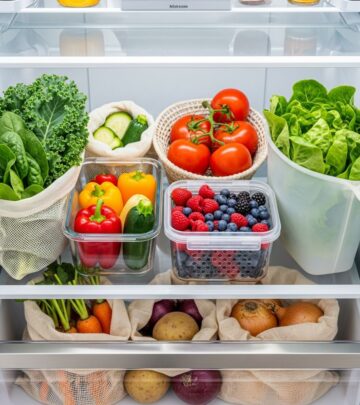
- Control moisture: Crisper drawers maintain humidity; use paper towels for berries, vented bags for others.
- Don’t overcrowd: Air circulation prevents mold.
- Wash only before use: Excess water speeds decay.
- Freeze smartly: Flash-freeze berries/veggies on sheet, then bag. Great for smoothies, soups.
What to Do with Produce Nearing Its End
Don’t toss it—repurpose!
- Overripe fruit: Smoothies, jams, fruit leather (dehydrate pureed fruit), popsicles.
- Soft veggies: Soups, stir-fries, veggie broth (simmer scraps, strain).
- Greens: Pesto, sautés, or freeze for stocks.
- Brown bananas/avocados: Bake banana bread, guacamole freezes well.
These methods cut waste and create new meals.
Frequently Asked Questions (FAQs)
Can I eat produce past its peak?
Yes, if no spoilage signs. Use smell, look, texture as guides over dates. Focus on quality.
Should I refrigerate all produce?
No. Potatoes, onions, tomatoes lose flavor/texture in fridge. Opt for cool pantry.
How does ethylene gas affect produce?
It accelerates ripening. Isolate producers to slow spoilage in sensitive items.
What’s the best way to store berries?
Unwashed in single layer with paper towel in vented container; 3-7 days fridge.
Can I freeze fresh produce?
Absolutely. Blanch veggies first; fruits OK as-is. Extends life months.
Bonus: Produce Storage Chart Quick Reference
| High Humidity Crisper | Low Humidity Crisper | Pantry/Counter |
|---|---|---|
| Berries, leafy greens, broccoli, carrots | Apples, citrus, peppers | Tomatoes, bananas, potatoes, onions |
Master these, and your produce lasts longer, wallet thanks you.
References
- USDA FoodKeeper App and Guidelines — United States Department of Agriculture. 2023-10-01. https://www.foodsafety.gov/keep-food-safe/foodkeeper-app
- Food Storage Database — Washington State University. 2024-05-15. https://foodstorage.wsu.edu/
- Produce Storage Tips — FDA Fresh Produce Safety. 2025-01-10. https://www.fda.gov/food/buy-store-serve-safe-food/selecting-and-serving-produce-safely
- Vegetable and Fruit Shelf Life — UC Davis Postharvest Technology. 2024-08-20. https://postharvest.ucdavis.edu/produce-facts-sheets
- Freezing and Food Safety — USDA Food Safety and Inspection Service. 2024-11-05. https://www.fsis.usda.gov/food-safety/safe-food-handling-and-preparation/food-safety-basics/freezing-and-food-safety
Similar Articles








Read full bio of Sneha Tete