How Long Does It Take for a Check to Clear?
Understanding check clearing times and factors affecting deposit processing.
When you deposit a check, you’re likely eager to access those funds. Whether you’re covering an important bill, building your savings, or planning a purchase, understanding the check clearing timeline is essential to managing your finances effectively. The check clearing process involves verification, bank-to-bank communication, and fund transfers that typically take anywhere from one to seven business days, depending on various factors.
Check clearing is the process your bank uses to verify that a check is valid and that sufficient funds exist in the check writer’s account to cover the amount. Once this verification is complete, the money moves into your account and becomes available for withdrawal, bill payments, or other transactions. However, the timeline can vary significantly based on deposit method, check type, bank policies, and other circumstances.
Understanding the Check Clearing Process
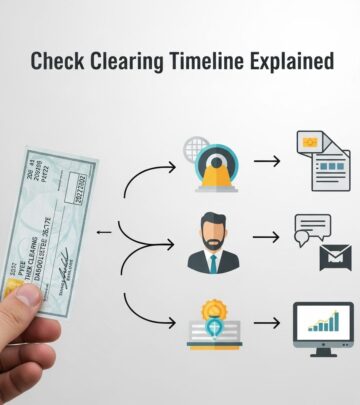
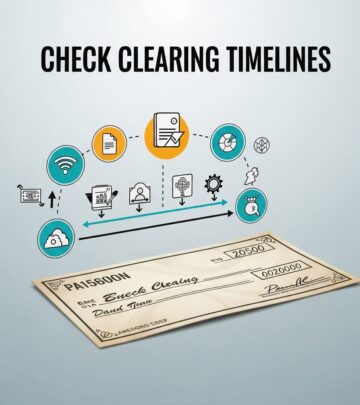
The journey from deposit to cleared funds involves several critical steps. Each phase requires bank protocols and communication between financial institutions, so understanding this process helps you better anticipate when your money will be available.
Verification Phase
The first step in check clearing is verification. After you deposit a check, your bank reviews the check’s date, payee name, signature, and the amount to ensure everything is valid and legitimate. The bank examines these details carefully to prevent fraudulent activities and catch discrepancies that might require further review. If the check is drawn on the same bank where you’re depositing it, the bank may conduct an additional account review to confirm sufficient funds are available.
Processing Phase
Once a check passes verification, it moves into the processing phase. During this stage, your bank and the issuing bank communicate through secure systems to exchange the check details and initiate the fund transfer. In many cases, the physical check is converted into a digital image, which is sent electronically to speed up the process. If problems arise, such as insufficient funds in the payer’s account, the check is returned and additional steps or fees may apply. When your bank receives the funds from the payer’s bank, the check is considered cleared and the remaining funds become available for use.
Typical Check Clearing Timelines
The timeframe for check clearing varies depending on several factors. Most checks clear within two to three business days, though some banks may hold funds for up to seven days depending on the check amount and type. Understanding these timelines helps you plan your finances more effectively.
Standard Clearing Times by Check Type
Different check types have different clearing requirements. Government checks, cashier’s checks, certified checks, and official checks must generally be available the next business day after deposit. This is also true for in-house checks, which are checks you cash at the same bank that issued them. All other types of checks, including personal checks, generally must be available by the second business day after deposit, according to the Expedited Funds Availability Act (EFAA).
Certified and cashier’s checks are considered guaranteed funds and often clear faster than personal checks. However, the specific timeline can still depend on when the check was deposited and which bank is processing it. If you need access to funds more quickly, many banks now offer expedited clearing options for a small fee.
Factors That Affect Check Clearing Times
Several variables can influence how quickly your check clears. Being aware of these factors helps you understand potential delays and plan accordingly.
Deposit Method
How you deposit your check significantly impacts clearing time. In-person deposits made directly with a bank teller typically lead to faster clearing since the check is handled directly by the bank’s personnel. Mobile check deposits, while convenient, may result in clearing delays, especially if the deposit is made after business hours or through an ATM not affiliated with your bank. Deposits made at ATMs may take longer to process than those made during regular business hours with a teller.
Cut-Off Times
Banks establish cut-off times—the time of day when they stop processing checks. Depositing a check after the cut-off time could add another day to the clearing process. If you deposit a check late in the afternoon, your bank may not begin processing it until the next business day. Understanding your bank’s cut-off times helps you maximize processing speed.
Holidays and Weekends
Checks typically won’t process on days when banks are closed, including weekends and federal holidays. A check deposited late on Friday might not start clearing until Monday, or even Tuesday if Monday is a holiday. Planning your deposits around the banking calendar helps you avoid unnecessary delays.
Account Age and History
Banks may place longer holds on checks deposited into new accounts. If your account has been open for less than 30 days, your bank might hold the check longer than normal. Similarly, accounts with a history of overdrafts or previously returned checks may experience extended holding periods as the bank assesses risk.
Check Amount
Large check deposits face longer holding periods. If the check amount exceeds $10,000, your bank may apply extended holds for compliance and verification purposes. Smaller checks typically clear faster than large ones.
Foreign Checks
If someone gives you a check from a bank in another country, it usually takes considerably longer to clear. The bank needs to communicate with the foreign financial institution, which can take extra time and involve currency conversions or additional verification steps.
Check Deposit Location
The check was not deposited at a bank’s physical location, it may experience processing delays. Mobile deposits and ATM deposits often take longer than teller-assisted deposits at a branch.
Maximum Hold Periods Under the Expedited Funds Availability Act
The EFAA sets guidelines for maximum check clearing times and bank holds. Understanding these regulations helps you know your rights as a customer. For certain check types, funds must be available by specific dates:
| Check Type | Maximum Availability |
|---|---|
| Government, Cashier’s, Certified, and Official Checks | Next business day |
| In-House Checks (on-us checks) | Next business day |
| All Other Personal Checks | Second business day |
| Large Check Deposits (over $5,000) | Extended hold may apply |
However, banks may extend holds beyond these timelines under certain circumstances. Extended holds are permitted when the check is not deposited at a bank branch, deposited after business hours, the amount exceeds $10,000, the check is being deposited to an account other than the payee’s account, the account has been open for less than 30 days, the account has been repeatedly overdrawn in the past six months, the check has been previously deposited and returned unpaid, or the bank has reason to believe the check may not be paid.
Same-Day and Expedited Check Clearing Options
If you need faster access to your deposited funds, many banks now offer expedited or same-day clearing options. Some institutions provide same-day clearing for a small fee. For example, certain banks offer express fund services that make the full amount of eligible check deposits immediately available when you use their mobile app, deposit with a teller, or use a designated ATM and select the expedited option. While these services come with a cost, they can be worthwhile if you need immediate access to funds.
Best Practices for Faster Check Clearing
To optimize your check clearing timeline, consider these practical strategies:
- Deposit checks early in the business day to ensure processing before cut-off times
- Use in-person teller deposits rather than ATMs or mobile deposits when speed is important
- Deposit checks on business days rather than close to weekends or holidays
- Request expedited clearing if your bank offers this service
- Verify deposit receipt and confirmation numbers for record-keeping
- Monitor your account online to track when funds become available
- Keep physical checks until funds fully clear and are confirmed in your account
What to Do While Waiting for Checks to Clear
Understanding what happens during the clearing process helps you manage your finances responsibly while waiting for funds. Don’t assume funds are available just because you’ve deposited a check. Until the funds officially clear, they may not be available for withdrawal or payment. Check your account regularly through your bank’s online portal or mobile app to see when the funds become available. Many banks display a hold notice indicating the expected availability date.
While waiting for checks to clear, avoid making large purchases or bill payments based on pending deposits. If you withdraw or spend funds that haven’t officially cleared and the check subsequently fails, your account may become overdrawn, resulting in overdraft fees. Instead, wait for the official confirmation that funds are available before using the money.
Common Reasons for Delayed Check Clearing
Several issues can cause checks to take longer than expected to clear. Understanding these reasons helps you troubleshoot problems effectively. Insufficient funds in the payer’s account will cause the check to be returned. An incorrect payee name or amount written on the check can raise red flags requiring further verification. Outdated or illegible checks may be rejected during processing. Depositing old checks, typically those more than six months old, may result in the bank refusing to process them. A check deposited to the wrong account type can cause delays as the transaction requires additional verification and rerouting.
Frequently Asked Questions
Q: Can I access funds from a check deposit immediately?
A: In most cases, no. The EFAA requires banks to make funds available within one to two business days for most checks, though some banks offer expedited clearing for a fee. Only certain check types, like government and cashier’s checks, are guaranteed to be available the next business day.
Q: What’s the difference between a check being deposited and cleared?
A: Depositing a check means submitting it to your bank for processing. Clearing means the bank has verified the check’s validity, confirmed sufficient funds exist, and transferred the money to your account. The deposit happens immediately, but clearing takes one to seven business days.
Q: How long should I keep a check after depositing it?
A: Most financial institutions recommend keeping the physical check for five to fourteen days after it clears. Store it securely before shredding to prevent misuse and maintain a record in case questions arise later.
Q: Why is my check taking longer than usual to clear?
A: Several factors can cause delays, including depositing after cut-off times, weekend or holiday deposits, depositing large amounts, new account status, or the check being drawn from a foreign bank. Check your bank’s hold notice for the expected availability date.
Q: Can I cancel a check after depositing it?
A: Once a check has cleared, you cannot cancel it. However, if you notice an issue before clearing completes, contact your bank immediately. In rare cases, they may be able to reverse the transaction if processing hasn’t begun.
Q: Are there ways to expedite check clearing?
A: Yes, many banks offer expedited clearing services for a fee. Some also provide faster clearing for in-person teller deposits or specific check types. Contact your bank to learn about available expedited options.
Q: How do I know when my check has officially cleared?
A: Check your online banking account or mobile app for updated transaction status. Once the funds appear as available balance (not pending), the check has cleared. Your bank may also send a notification when funds become available.
References
- How Long Does It Take for a Check to Clear? — PNC Bank. 2024. https://www.pnc.com/insights/personal-finance/spend/how-long-for-check-to-clear.html
- How To Deposit A Check — Bankrate. 2024. https://www.bankrate.com/banking/checking/how-to-deposit-a-check/
- Expedited Funds Availability Act (EFAA) — Federal Reserve Board. https://www.federalreserve.gov/
- How To Cancel A Check: 4 Important Steps — Bankrate. 2024. https://www.bankrate.com/banking/checking/how-to-cancel-a-check/
- How Long Is A Check Good For? — Bankrate. 2024. https://www.bankrate.com/banking/checking/how-long-is-a-check-good-for/
- Regulation CC: Availability of Funds and Collection of Checks — Federal Deposit Insurance Corporation (FDIC). https://www.fdic.gov/
Similar Articles








Read full bio of medha deb