Letters Of Credit: 7-Step Guide To How They Work
Master international trade finance: Complete guide to letters of credit mechanisms.
How Letters of Credit Work
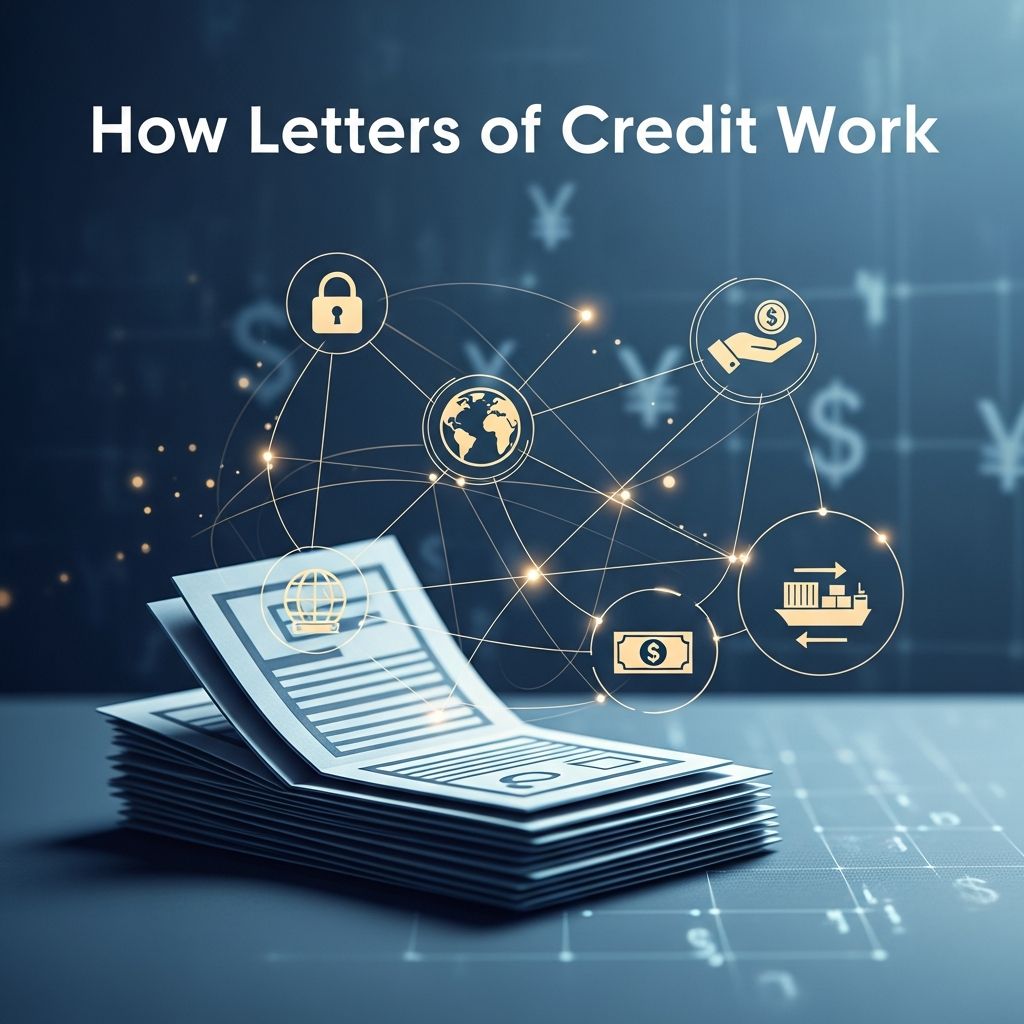
Letters of credit are essential financial instruments in international trade that provide security and peace of mind for both buyers and sellers engaged in cross-border transactions. A letter of credit (LC) is a contractual commitment issued by a bank on behalf of a buyer that guarantees payment to the seller once the seller ships goods and presents the required documentation. This financial tool has become the backbone of global commerce, enabling businesses to conduct transactions with confidence despite geographical and cultural distances.
Understanding the Basics of Letters of Credit
At its core, a letter of credit substitutes the creditworthiness of a strong financial institution for that of an individual or corporation. When a seller wants assurance they will receive payment, and a buyer needs time to arrange funds or wants to establish credit terms, a letter of credit bridges this gap. The LC acts as a promise from the buyer’s bank that payment will be made on time, even if the buyer is unable to make the payment themselves.
Letters of credit are designed to be quick and efficient payment tools, making international transactions smoother and more secure. They serve as a guarantee that protects both exporters and importers, allowing businesses to win new clients in foreign markets while maintaining payment security. The seller gains confidence knowing payment is backed by a financial institution, while the buyer can structure favorable payment terms with the seller.
Key Participants in a Letter of Credit Transaction
Understanding the roles of different parties is crucial to comprehending how letters of credit function. A typical LC transaction involves four main participants:
The Applicant (Buyer): The party requesting the letter of credit, typically the buyer or importer who wishes to purchase goods or services from a foreign supplier.
The Beneficiary (Seller): The party in whose favor the letter of credit is issued, typically the exporter or seller of goods who will receive payment upon meeting the LC terms.
The Issuing Bank: The buyer’s bank that issues the letter of credit on the buyer’s request and assumes the obligation to pay the beneficiary upon presentation of complying documents.
The Advising Bank (Confirming Bank): The seller’s bank that receives and authenticates the letter of credit, ensuring it is legitimate before presenting it to the beneficiary. In some cases, the confirming bank may add its own payment guarantee.
The Step-by-Step Process of Letters of Credit
The letter of credit process follows a well-established sequence that ensures all parties are protected and obligations are met:
Step 1: Negotiating the Deal
Before a letter of credit is ever created, the buyer and seller must negotiate and finalize their commercial agreement. This includes discussing logistics using INCOTERMS (International Commercial Terms) and pricing, establishing clear documentation requirements, setting important dates such as issue, expiry, and shipment dates, determining the correspondent banking arrangement, and defining the payment structure including where, when, and by whom payment will occur.
Step 2: Opening the Letter of Credit
Once the sales agreement is completed, the buyer (applicant) applies to their bank (issuing bank) to open a letter of credit in favor of the seller (beneficiary). The buyer must satisfy their bank regarding the seller’s creditworthiness, though this is typically less stringent given the LC documentation requirements.
Step 3: Drafting and Transmitting the LC
The issuing bank drafts the letter of credit incorporating all terms and conditions from the sales agreement. This document is then transmitted to the seller’s bank (advising or confirming bank). The seller’s bank reviews and approves the LC before sending it to the seller.
Step 4: Shipping Goods and Preparing Documents
The seller ships the goods according to the terms specified in the letter of credit. Simultaneously, the seller prepares all required documentation, which may include bills of lading from carriers, commercial invoices, inspection certificates, and other supporting documents. A freight forwarder often assists in this process.
Step 5: Document Presentation and Verification
The seller presents the complying documents to their bank (advising bank). The advising bank carefully checks each document for compliance with the LC terms and conditions. Any discrepancies or document errors must be amended and resubmitted before payment can be processed. This document review is critical as payment is contingent upon strict compliance.
Step 6: Bank-to-Bank Payment
Once the advising bank confirms all documents comply with the LC, it submits the documents to the issuing bank, which then reimburses the advising bank. The issuing bank credits funds to the advising bank through international payment networks such as SWIFT.
Step 7: Payment to Seller and Document Delivery to Buyer
The advising bank deposits the payment into the seller’s account. Simultaneously, the issuing bank delivers the documents to the buyer (applicant) against payment, allowing the buyer to claim the goods from the shipper or carrier.
Types of Letters of Credit
Different types of letters of credit serve different purposes and provide varying levels of protection:
Irrevocable Letter of Credit: This is the most common type and provides strong protection for the seller. An irrevocable LC can only be cancelled or amended if all parties to the transaction agree. This type offers flexibility for situations such as trading additional goods not part of the original LC or allowing the exporter extra time to fulfill their obligations.
Revocable Letter of Credit: This type can be modified or cancelled by the issuing bank without notice to the beneficiary, offering less protection to the seller. Revocable LCs are less commonly used in international trade.
Confirmed Letter of Credit: Used to further protect the seller, a confirmed LC includes an additional security provision. If the issuing bank fails to pay the requested amount, the seller’s bank (confirming bank) guarantees payment. This dual commitment provides maximum security for the beneficiary.
Unconfirmed Letter of Credit: In this arrangement, only the issuing bank guarantees payment, with no additional commitment from the advising bank. This offers less protection than a confirmed LC.
Standby Letter of Credit: Unlike commercial letters of credit used for purchasing goods, standby LCs serve as a backup payment guarantee if the buyer fails to perform their contractual obligations.
Advantages and Benefits of Letters of Credit
Letters of credit offer significant advantages for both buyers and sellers in international transactions. For sellers, LCs provide guaranteed payment backed by a financial institution, reducing credit risk when dealing with foreign buyers of unknown creditworthiness. The payment is contingent upon meeting specific terms, which incentivizes proper performance. For buyers, LCs allow them to establish favorable payment terms while banks verify seller performance through document review. This enables buyers to arrange financing through their banks and protects them from paying until goods are properly shipped and documented.
Both parties benefit from the standardized, internationally recognized framework governing letters of credit, which reduces disputes and provides legal clarity. The documentary nature of LCs means payment is based on documents presented rather than actual goods, allowing for faster processing and payment. Additionally, LCs can help businesses win new clients and expand into foreign markets where direct credit relationships haven’t been established.
Legal Framework and Regulations
Letters of credit are governed by international standards established by the International Chamber of Commerce. All LCs are issued and formatted under the guidelines of the Uniform Customs & Practice for Documentary Credits, commonly known as UCP 600. These standardized rules ensure consistency and predictability in LC transactions across different countries and banking systems, facilitating smoother international trade.
Beyond the UCP 600, the legal requirements for using an LC can vary depending on the jurisdiction and the specific terms and conditions outlined in each letter of credit. National banking regulations also apply to the issuance of letters of credit by banks in specific countries.
Common Requirements in Letters of Credit
Most letters of credit contain specific requirements that must be met for payment to be released:
– The document must clearly and conspicuously state that it is a letter of credit
– The issuer’s undertaking must contain a specified expiration date or definite term
– The amount of the credit must be clearly limited
– The issuer’s obligation to pay must depend solely on the presentation of conforming documents
– All required documents must be submitted within the specified timeframe
– Documentation must strictly comply with the LC terms to avoid discrepancies
– Payment is based on documents only, not on the actual merchandise or services
Potential Challenges and Considerations
While letters of credit provide significant protection, they also present challenges. Discrepancies in documents are the most common reason for payment delays or refusal. Even minor errors or omissions can result in document rejection, requiring resubmission and causing delays. Both sellers and buyers must ensure complete understanding of all LC terms before shipment occurs.
The cost of obtaining and managing letters of credit can be significant, with issuing banks charging fees based on the LC amount and transaction complexity. Sellers must also maintain meticulous records and follow documentation procedures precisely. Communication between all parties must be clear and timely to prevent misunderstandings.
Frequently Asked Questions
Q: What is the main purpose of a letter of credit?
A: The main purpose of a letter of credit is to guarantee payment to a seller when goods are shipped and proper documentation is presented, while protecting the buyer by ensuring goods are delivered according to agreed terms.
Q: How long does a letter of credit process typically take?
A: The typical timeline for a complete LC transaction is 5-10 business days from application to opening, with additional time needed for shipping and document processing depending on the complexity and location of parties involved.
Q: Can a letter of credit be cancelled?
A: An irrevocable letter of credit, which is most common, can only be cancelled with the agreement of all parties. Revocable letters of credit can be modified or cancelled by the issuing bank without notice to the beneficiary.
Q: What documents are typically required for a letter of credit?
A: Common required documents include bills of lading, commercial invoices, inspection certificates, packing lists, insurance certificates, and any other documents specified in the LC terms.
Q: Who pays for the letter of credit?
A: The buyer (applicant) typically pays the fees charged by their issuing bank for opening the letter of credit. These fees are based on the LC amount and complexity of the transaction.
Q: How does a confirmed letter of credit differ from an unconfirmed one?
A: A confirmed LC includes a payment guarantee from both the issuing bank and the seller’s confirming bank, providing additional security. An unconfirmed LC only guarantees payment from the issuing bank.
References
- Uniform Customs and Practice for Documentary Credits (UCP 600) — International Chamber of Commerce. 2007. https://iccwbo.org/
- Letter of Credit — International Trade Administration, U.S. Department of Commerce. 2024. https://www.trade.gov/letter-credit
- A Seller’s Guide to Letters of Credit — NACM Commercial Services. 2024. https://www.nacmcommercialservices.org/a-sellers-guide-to-letters-of-credit/
- Letters of Credit (LCs) – Ultimate Guide — Trade Finance Global. 2025. https://www.tradefinanceglobal.com/letters-of-credit/
- Examination Handbook 215: Letters of Credit — Office of the Comptroller of the Currency. January 1994. https://www.occ.gov/static/ots/exam-handbook/ots-exam-handbook-215.pdf
Similar Articles








Read full bio of medha deb