How Interest Rates Affect You: 6 Ways To Protect Money
Understand how changing interest rates impact your borrowing, savings, investments, and daily budget for smarter financial decisions.

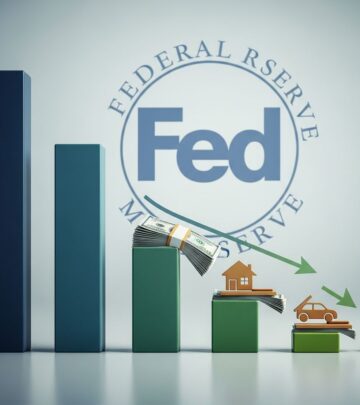
Interest rates are a fundamental force in personal finance, influencing everything from the cost of your morning coffee to major life decisions like buying a home or funding education. Set by the Federal Reserve through adjustments to the federal funds rate, these rates ripple through the economy, affecting borrowing costs, savings yields, investment returns, and even everyday budgeting. When rates rise, borrowing becomes more expensive while savings earn more; when they fall, the opposite occurs. Understanding these dynamics empowers you to make informed choices, whether refinancing a mortgage or building an emergency fund.
What Are Interest Rates?
Interest rates represent the cost of borrowing money or the reward for saving it, expressed as a percentage of the principal amount. The Federal Reserve influences short-term rates via the federal funds rate, which banks use as a benchmark for lending to each other. This cascades to consumer products: prime rates for credit cards, mortgage rates for home loans, and APYs for savings accounts. High rates curb inflation by discouraging spending; low rates stimulate growth by encouraging borrowing. For instance, in periods of economic strength, the Fed hikes rates to cool overheating, as seen in recent cycles.
Fixed rates remain constant over the loan term, shielding borrowers from market fluctuations. Variable or adjustable rates, tied to indexes like the prime rate, fluctuate with market changes—beneficial in falling rate environments but risky when rates climb.
How Do Interest Rates Impact Borrowing?
Rising interest rates directly increase borrowing costs across loans, credit cards, and mortgages, raising monthly payments and total interest paid. Credit cards, with variable rates linked to the prime rate, see immediate hikes; a balance carried from last year at lower rates could now cost significantly more if not paid off monthly.
New auto loans, student loans, and personal loans also face higher rates. For example, average new car loan rates dropped modestly from 7.62% to 7% post-2024 cuts, but rises reverse this, stretching budgets. Mortgages are hit hardest: a 1% rate increase on a $300,000 30-year loan adds over $200 monthly. Adjustable-rate mortgages (ARMs) reset periodically, potentially surging payments. Home equity lines of credit (HELOCs), often variable, become costlier for renovations or debt consolidation.
| Loan Type | Impact of Rising Rates | Impact of Falling Rates |
|---|---|---|
| Credit Cards | Higher APRs, more interest on balances | Lower minimum payments apply more to principal |
| Auto Loans | Increased monthly payments | More affordable new purchases; refinance options |
| Mortgages | Higher payments on ARMs; pricier new loans | Refinancing lowers fixed payments |
| Student Loans | Costlier private variable loans | Lower rates on new federal/private loans |
Strategy tip: Prioritize high-interest debt payoff during rises and consider refinancing fixed loans when rates drop.
How Do Interest Rates Affect Savings?
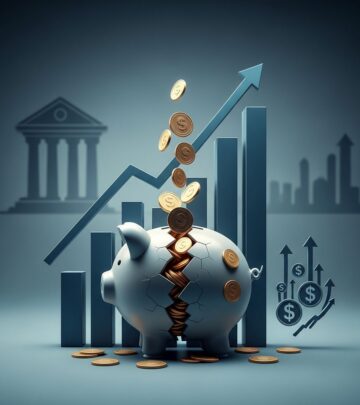
Higher rates boost returns on savings accounts, CDs, and money market funds, making saving more rewarding. Banks compete by raising APYs; a savings account at 4.9% minus 2% inflation yields a real 2.9% gain in purchasing power. GICs and CDs lock in rates, ideal in rising environments.
Falling rates reduce yields, prompting shifts to higher-risk investments for better returns. Post-2025 cuts, savers saw diminished earnings, underscoring the need for high-yield options. Always compare rates and consider inflation to preserve real value.
- Savings Accounts: Liquid, variable rates rise/fall with Fed moves.
- CDs: Fixed terms offer rate locks against future drops.
- Money Markets: Higher yields than basic savings, low risk.
Interest Rates and Investments
Interest rates profoundly sway investments. Rising rates pressure stocks as borrowing costs crimp corporate profits, leading to spending cuts, layoffs, and lower earnings—often causing market dips. Bonds fall in price as new issues offer higher yields, devaluing existing lower-rate bonds.
Savers benefit from bond ladders or short-term Treasuries in high-rate periods. Low rates fuel stock rallies by cheapening capital for growth. Diversification across asset classes mitigates volatility; for example, rate-sensitive sectors like real estate suffer more than utilities.
Interest Rates and Your Budget
Indirectly, rates reshape budgets via inflation and spending. Higher rates slow economies, potentially curbing price rises but straining fixed incomes with elevated debt service. The U.S. personal savings rate was 3.1% in September 2022 amid hikes, reflecting tighter belts. Review budgets quarterly: cut discretionary spending, build cash buffers, and delay big-ticket variable-rate buys.
What Should You Do When Interest Rates Change?
Proactive steps preserve financial health:
- Monitor Credit: Strong scores secure best rates; check Equifax reports regularly.
- Lock Fixed Rates: Ideal for long-term debt in rising markets.
- Refinance Opportunistically: When rates fall, swap high-rate loans.
- Boost Savings: Capitalize on high APYs with CDs.
- Diversify Investments: Balance stocks, bonds per rate outlook.
- Budget Flexibly: Adjust for payment changes.
Interest rates fluctuate cyclically—what rises falls, rewarding patience and adaptability.
Frequently Asked Questions (FAQs)
What happens when the Federal Reserve raises interest rates?
Rising fed funds rates increase consumer borrowing costs (loans, cards) while boosting savings yields, aiming to control inflation.
Do interest rate changes affect fixed-rate loans?
No, fixed rates stay constant; variable rates adjust with market benchmarks.
Should I refinance my mortgage if rates drop?
Yes, if closing costs are offset by payment savings over time—calculate break-even.
Are high interest rates good for savers?
Absolutely; higher APYs on accounts and CDs grow money faster, outpacing inflation ideally.
How do rates impact stock investments?
Higher rates often pressure stocks via costlier borrowing and slower growth.
References
- 4 ways higher interest rates impact your finances — Fulton Bank. 2023-09-01. https://www.fultonbank.com/Education-Center/Saving-and-Budgeting/4-ways-higher-interest-rates-impact-your-finances
- How Fed Rate Cuts Could Impact Your Personal Finances — First National Bank of Omaha (FNBO). 2025-10-01. https://www.fnbo.com/insights/personal-finance/2025/how-fed-rate-cuts-could-impact-your-personal-finances
- Interest Rates and How They Impact Your Finances — Canadian Investment Regulatory Organization (CIRO). 2024-01-15. https://www.ciro.ca/office-investor/investing-basics/interest-rates-and-how-they-impact-your-finances
- How the Fed Interest Rate Impacts You — Vermont Federal Credit Union. 2023-05-20. https://www.vermontfederal.org/blog/how-fed-interest-rate-impacts-you
- The Impact of Interest Rates on Personal Finance — Dieterich Bank. 2024-03-10. https://www.dieterichbank.com/blog/impact-of-interest-rates-on-personal-finance/
- How do interest rates work? — Vanguard. 2025-01-05. https://investor.vanguard.com/investor-resources-education/article/how-do-interest-rates-work
Similar Articles








Read full bio of medha deb