How Insurers Calculate Your Car’s Value After a Total Loss
Discover the step-by-step process insurance companies use to determine your totaled car's actual cash value and how to ensure a fair payout.

Insurance companies determine a totaled vehicle’s value primarily through its
actual cash value (ACV)
, which reflects the market worth immediately before the accident, adjusted for depreciation, mileage, condition, and local sales data. This figure forms the basis of your payout minus any deductible, helping policyholders replace their loss without overpaying for coverage.Understanding Actual Cash Value in Auto Claims
The cornerstone of any total loss settlement is the
actual cash value (ACV)
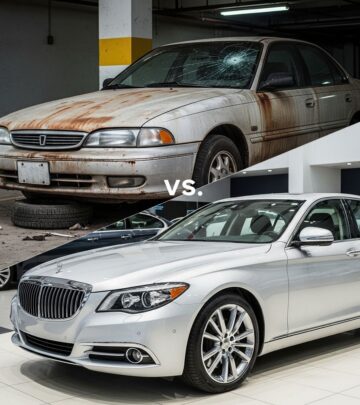
, defined as the fair market price a similar vehicle would fetch in the current market. Unlike the purchase price or loan balance, ACV accounts for depreciation over time, ensuring insurers pay what the car is realistically worth today. For instance, a five-year-old sedan won’t receive new-car pricing; instead, its value depreciates based on age and usage.ACV calculations blend objective data like recent sales with subjective elements such as pre-accident condition. Insurers prioritize this metric because it aligns payouts with replacement feasibility, preventing inflated claims. Policyholders often overlook how options like navigation systems or premium audio can boost ACV by hundreds of dollars if properly documented.
Key Factors Influencing Your Vehicle’s Valuation
Several variables shape how insurers appraise a car. These include intrinsic details and external market forces, all cross-referenced against vast databases.
- Make, Model, and Year: Base value starts here, with popular models holding stronger resale due to demand.
- Mileage: Higher odometer readings accelerate depreciation; expect deductions for every 10,000 miles over average.
- Condition and Wear: Insurers rate interiors, exteriors, and mechanics as excellent, average, or poor, impacting value by 10-20%.
- Optional Features: Sunroofs, leather seats, or tech packages add premiums if verified via VIN decoders.
- Accident History: Prior wrecks lower value, sourced from reports like Carfax.
- Location: Regional demand, such as SUVs in snowy states, adjusts comps accordingly.
These elements ensure valuations reflect real-world economics, not arbitrary guesses.
Step-by-Step Breakdown of the Valuation Process
From crash report to check in hand, insurers follow a methodical workflow to establish ACV.
- Initial Assessment: Adjusters inspect damage and estimate repairs, triggering total loss evaluation if costs exceed thresholds.
- Data Gathering: VIN, odometer, and photos feed into third-party tools like CCC One or Mitchell.
- Comps Selection: Software pulls 5-10 recent sales of identical make/model/year within 100 miles.
- Adjustments Applied: Deductions for your car’s extras like mileage; additions for unique upgrades.
- Report Generation: Detailed PDF outlines base value, adjustments, and final ACV.
- Settlement Offer: ACV minus deductible, often with salvage retention options.
This structured approach promotes consistency across claims.
Role of Comparable Sales in Determining Fair Market Value
**Comparable vehicles**, or “comps,” anchor every ACV report. Insurers scour local dealerships, auctions, and private listings for matches in year, trim, and equipment. A comp might be a 2020 Honda Civic EX sold for $18,500 nearby; your similar Civic gets benchmarked against it.
Reports list comp details: sale date, price, mileage variance. Adjusters then normalize—subtract $500 if your car has 5,000 more miles. Transparency here allows scrutiny; mismatched comps (e.g., distant locations) warrant challenges. Tools like Kelley Blue Book or NADA provide averages, but local data trumps national figures for precision.
Total Loss Thresholds: When Repairs Become Uneconomical
States mandate
total loss thresholds (TLT)
—percentages where repair costs vs. ACV deem a car a write-off. Common at 70-100%, these vary: Texas uses 100% of ACV, while others factor salvage value.| State Example | TLT Percentage | Notes |
|---|---|---|
| Texas | 100% | Repair cost > ACV triggers total loss. |
| Colorado | 100% | Includes salvage in formula. |
| California | ~75% | Total if repairs exceed 75% ACV. |
| New York | 75% | Strict repair vs. value comparison. |
Exceeding TLT shifts focus from fixes to valuation, often benefiting insurers via salvage sales.
Alternative Valuation Methods Beyond Standard ACV
While ACV dominates, specialized policies offer alternatives for unique vehicles.
- Replacement Cost Value (RCV): Pays for a new equivalent model; rarer, pricier premiums for low-mileage cars.
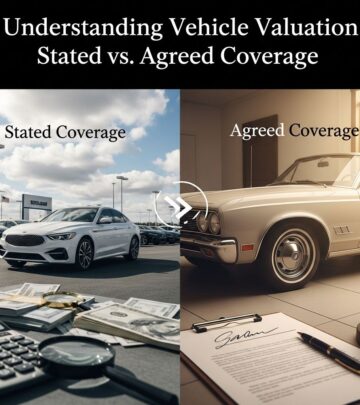
- Stated Value: Owner declares worth upfront, ideal for classics with appraisals; insurer caps at ACV if lower.
- Agreed Value: Mutual policyholder-insurer agreement, common for antiques; requires proof like market analyses.
Review your declarations page to confirm coverage type—upgrading may suit high-value rides.
Common Pitfalls in Insurance Valuation Reports
Valuation errors erode payouts. Watch for overlooked factory options, unfairly low condition grades, or irrelevant comps from high-demand areas. Proprietary software sometimes undervalues custom mods, ignoring aftermarket lifts or wraps.
Gather counter-evidence: maintenance logs, pre-loss photos, independent appraisals from NADA. One policyholder boosted a $15,000 offer to $17,200 by proving missed leather upgrades.
Negotiation Strategies for a Better Settlement
ACV isn’t set in stone—60% of disputes resolve higher with evidence. Respond promptly with:
- Local listings proving higher comps.
- Dealer quotes for identical replacements.
- Service records elevating condition ratings.
- Independent valuations from KBB Instant Cash Offer.
Escalate to supervisors if needed; appraisers cost $300-500 but pay off. Gap insurance bridges loans exceeding ACV.
Frequently Asked Questions
What is actual cash value for my car?
ACV is your vehicle’s depreciated market worth pre-loss, factoring comps, mileage, and condition via tools like KBB.
Can I negotiate the insurer’s valuation?
Yes, with documentation like photos and local sales data; many secure 10-15% increases.
How do states define a total loss?
Via TLT: if repairs surpass 70-100% of ACV, it’s totaled.
Does accident history affect ACV?
Absolutely—past claims deduct value due to diminished resale.
What’s stated value insurance?
Pre-agreed worth for classics, overriding standard ACV with proof.
Protecting Your Interests Preemptively
Document your car’s condition annually with photos and records. Shop policies with RCV for newer vehicles or stated value for collectibles. Understand your state’s TLT via DMV sites. These steps maximize leverage during claims.
References
- How Insurance Companies Value a Totaled Car — W. Firm. 2023-05-15. https://wfirm.com/how-insurance-companies-value-a-totaled-car/
- How Do Insurance Companies Value Cars? — AutoInsurance.com. 2024-02-10. https://www.autoinsurance.com/faqs/how-do-insurance-companies-value-cars/
- Types of Valuation Used in Auto Insurance — Insuran LLC. 2023-11-20. https://www.insuran.com/blog/types-of-valuation-used-in-auto-insurance/
- Actual Cash Value: How It Works for Car Insurance — Kelley Blue Book. 2024-08-05. https://www.kbb.com/car-advice/actual-cash-value/
- How do Insurers Calculate Write-Offs? — Activate Group. 2023-07-12. https://www.activate-group.com/news-insights/how-insurers-calculate-write-off/
Similar Articles








Read full bio of medha deb