How Influencers Really Make Money Online
Discover the main ways influencers earn money, from brand deals to digital products, and how you can turn your content into real income.
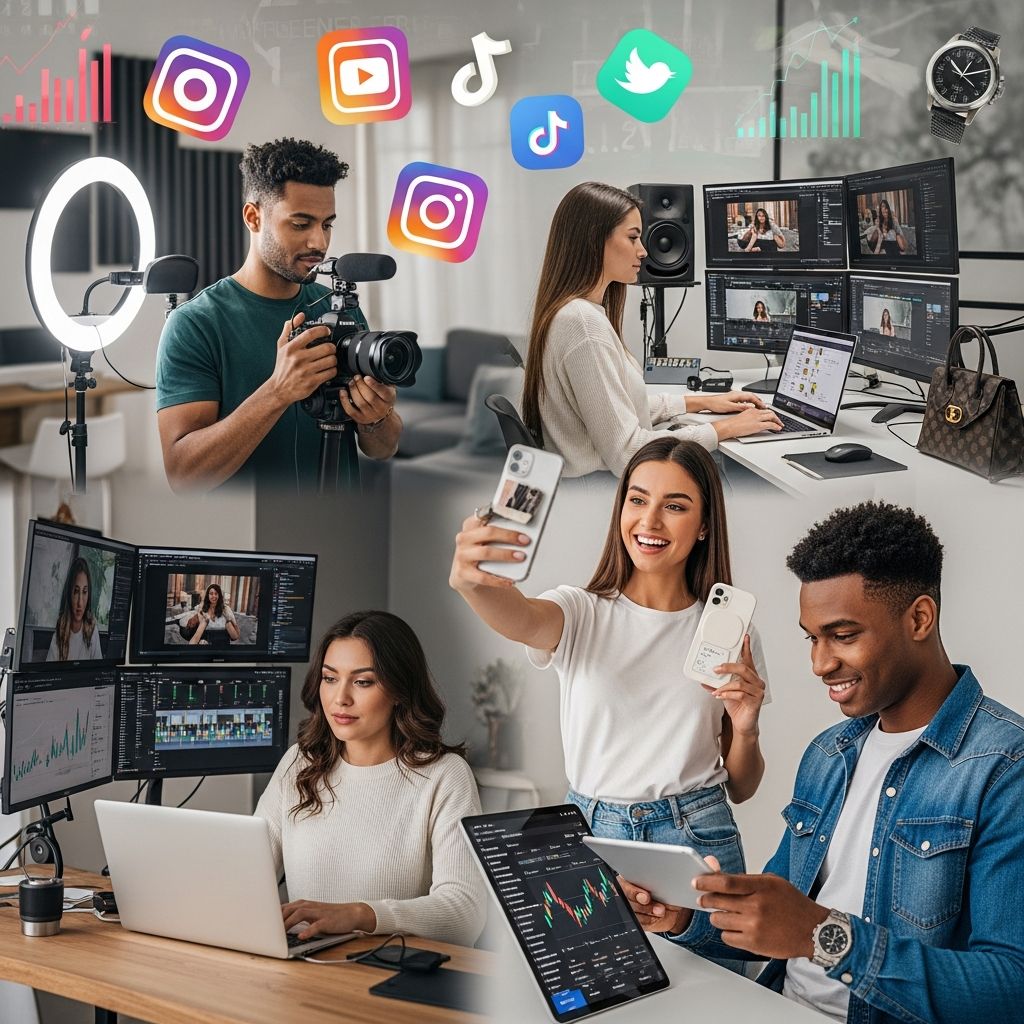
Influencers are no longer just people posting photos for fun – many are turning their online presence into real, sustainable income. This guide explains the most common ways influencers make money, how much they can realistically earn, and how you can start monetizing your own social media platforms.
What Is an Influencer?
An influencer is someone who has built an audience online and can affect the purchasing decisions or opinions of that audience through their content. This typically happens on platforms like Instagram, TikTok, YouTube, blogs, podcasts, or email newsletters.
Influencers are often trusted as subject-matter enthusiasts in niches such as fashion, beauty, fitness, personal finance, parenting, travel, gaming, or tech. Brands partner with them because people increasingly rely on online creators and reviews when deciding what to buy.
Types of Influencers by Audience Size
- Nano influencers: Around 1,000–10,000 followers
- Micro influencers: Roughly 10,000–100,000 followers
- Macro influencers: About 100,000–1 million followers
- Mega influencers: Over 1 million followers or major celebrity status
Smaller creators often have higher engagement and tighter-knit communities, which is why many brands now prefer nano and micro influencers for campaigns.
How Do Influencers Make Money? Main Income Streams
Most influencers do not rely on just one income source. Instead, they create a diversified mix of active and passive revenue streams to protect themselves from algorithm changes or brand budget cuts.
1. Sponsored Posts and Brand Partnerships
Sponsored content is one of the most visible and common income streams. A brand pays an influencer to feature its product or service in a social media post, video, story, blog article, or podcast mention.
What sponsored content can look like:
- An Instagram reel showing how an outfit, skincare product, or gadget fits into the influencer’s daily routine
- A YouTube video that includes a short mid-roll ad segment about a sponsoring brand
- A TikTok tutorial using a specific product with a clear disclosure like “#ad”
- A blog post reviewing a service with compensation for coverage
How brands benefit:
- Access to a targeted, engaged audience
- Content that feels more authentic than traditional ads
- User-generated style content that can be reused in ads, websites, and email campaigns
How influencers benefit:
- Direct income per post, video, or campaign
- Potential long-term partnerships instead of one-off deals
- Free or discounted products and experiences
Disclosure is required: Many countries require influencers to clearly label sponsored content so audiences know when they are seeing an ad or paid endorsement.
2. Affiliate Marketing
With affiliate marketing, influencers earn a commission when their followers purchase a product or sign up for a service using the influencer’s unique link or discount code.
How affiliate income works:
- Influencer joins an affiliate program or network
- They receive unique tracking links or codes
- They share these in captions, bios, blogs, newsletters, or video descriptions
- They earn a percentage of each resulting sale or action
Typical commission ranges:
- Physical products: often a few percent to around 10–20% of the sale
- Digital products or software: sometimes 20–50% due to higher margins
For platforms like Instagram, affiliate marketing is a core monetization strategy, especially for creators who consistently recommend tools, clothing, or services their audience wants.
3. Advertising Revenue (Platform Ad Programs)
Some platforms share ad revenue directly with creators. When viewers watch or engage with ads shown before, during, or around an influencer’s content, the creator may receive a share of that ad income.
Common examples include:
- YouTube’s Partner Program (ads on videos)
- Podcast ad placements sold through ad networks
- Emerging revenue-sharing tests on platforms like Instagram and Facebook Reels
Ad revenue can be inconsistent and often requires large view counts, so influencers rarely rely on it alone. It is typically paired with sponsorships, affiliates, or products.
4. Selling Digital Products
Digital products are popular because they can be created once and sold repeatedly without inventory or shipping costs.
Examples of digital products influencers sell:
- Ebooks and guides (for example, budgeting workbooks, recipes, travel itineraries)
- Downloadable templates and planners
- Workout programs, meal plans, or learning roadmaps
- Photography presets or design assets
- Educational video series or mini-classes
Creators often use their social platforms to direct followers to a separate website or ecommerce platform where the digital product is sold.
5. Online Courses, Coaching, and Consulting
Some influencers grow into educators and trainers. They offer online courses, group programs, consulting, or one-on-one coaching based on their expertise.
Common niches for coaching and courses:
- Business, marketing, and content creation
- Personal finance and investing
- Fitness, nutrition, or wellness
- Language learning or test prep
- Creative skills like photography, writing, or design
High-value transformation (for example, helping a client launch a business or improve their career) often allows higher pricing compared with low-cost digital downloads.
6. Selling Physical Products and Merch
Many influencers eventually launch physical products or merchandise, either independently or in collaboration with brands.
Common product types:
- Clothing, accessories, and branded merch (hoodies, mugs, tote bags)
- Beauty or skincare lines
- Supplements or food products in the wellness niche
- Stationery, planners, or physical books
Some influencers use print-on-demand services, which allow them to sell branded products without holding inventory. Others develop full product lines and manage manufacturing, logistics, and ecommerce operations themselves.
7. Subscriptions, Memberships, and Communities
Subscription-based models give influencers recurring, predictable income from fans who pay for extra value, access, or community.
Examples of recurring revenue options:
- Paid newsletters with premium content or behind-the-scenes updates
- Membership sites that include exclusive videos, templates, or resources
- Private communities on platforms like Discord or similar apps, often with live Q&A or coaching sessions
- Paid subscriber features on social platforms (such as subscription content tiers on some social networks)
These models help creators build a business that is less dependent on algorithms and one-off brand deals.
8. Events, Speaking, and Appearances
As influencers grow, some monetize their expertise and brand through in-person or virtual events and speaking engagements.
Revenue opportunities can include:
- Paid speaking at conferences, summits, or company events
- Hosting workshops, retreats, or live training sessions
- Paid meet-and-greet appearances
- Brand-hosted events where the influencer is featured
These activities can complement their online income and help deepen trust with their audience.
How Much Do Influencers Earn?
Influencer income varies widely. Some creators earn occasional free products or a few hundred dollars per month, while others earn full-time incomes or even build multi-million dollar businesses.
Key Factors That Affect Influencer Earnings
- Audience size: Larger audiences can command higher rates, but engagement quality still matters.
- Engagement rate: Brands look at likes, comments, shares, clicks, and watch time to judge how responsive an audience is.
- Niche: Certain niches, such as finance, tech, or business, can justify higher rates because products have higher price points or higher customer lifetime value.
- Content quality: Clear visuals, storytelling, and consistent branding help creators stand out and win better deals.
- Diversification: Creators with multiple income streams (sponsorships, affiliates, products, memberships) often earn more and with more stability.
Sample Earning Scenarios (Illustrative)
| Influencer Type | Main Platforms | Monetization Mix | Potential Income Range* |
|---|---|---|---|
| Nano fashion creator | Instagram, TikTok | Affiliate links, small brand deals, gifted products | From free products only up to a few hundred dollars per month |
| Micro fitness influencer | Instagram, YouTube | Sponsored posts, affiliate products, digital workout plans | Hundreds to several thousand dollars per month, depending on sales |
| Macro personal finance creator | YouTube, podcast, newsletter | Brand sponsorships, affiliates, online courses, membership | Can reach full-time income and potentially six figures annually |
*These ranges are approximate and for illustration only; actual income depends on many variables, including geography, brand budgets, and creator business strategy.
Pros and Cons of Making Money as an Influencer
Advantages
- Flexible schedule and location independence
- Ability to build a business around personal interests or expertise
- Potential for multiple income streams and scalable digital products
- Opportunities for collaboration, travel, and creative projects
Challenges
- Income can be irregular, especially in the early stages
- Pressure to post consistently and stay visible
- Need to manage brand negotiations, contracts, and finances like a small business
- Algorithm changes and platform shifts can affect reach and revenue
How to Start Making Money as an Influencer
You do not need millions of followers to start earning. What matters most is a clear niche, a defined audience, and consistent, valuable content.
1. Choose Your Niche and Platforms
- Pick a topic you can talk about regularly, such as personal finance, beauty, fitness, parenting, or career growth.
- Choose one or two platforms to focus on first (for example, Instagram and TikTok, or YouTube and a blog) instead of trying to be everywhere.
- Consider where your ideal audience already spends time online.
2. Build Trust and Engagement First
- Post consistently with helpful, entertaining, or inspirational content.
- Engage with your community through replies, comments, polls, and Q&A.
- Share personal stories and lessons to build authenticity.
- Focus on solving your audience’s problems, not just promoting products.
3. Start With Low-Friction Monetization
- Join one or two relevant affiliate programs and naturally recommend products you already use.
- Experiment with small brand collaborations or gifted partnerships as you build case studies.
- Consider a simple digital product, like a checklist or mini-guide, once you see recurring questions from your audience.
4. Diversify as You Grow
- Add more income streams: ad revenue, sponsorships, digital products, or memberships.
- Build an email list to stay connected with your audience beyond any single platform.
- Consider long-term deals and retainers with brands for more stable income.
5. Treat It Like a Business
- Track your income, expenses, and taxes.
- Use contracts for brand partnerships and clearly defined deliverables.
- Monitor analytics: clicks, conversions, watch time, and engagement to understand what works.
- Protect your mental health by setting boundaries around work, comments, and online time.
Frequently Asked Questions (FAQs)
Q: Do you need a huge following to make money as an influencer?
A: No. Nano and micro influencers with smaller but highly engaged audiences are increasingly valuable to brands. If your followers trust your recommendations and you serve a specific niche, you can start earning with just a few thousand followers.
Q: How do influencers get paid for sponsored posts?
A: Payment terms are typically negotiated in advance and outlined in a contract. Influencers may charge per post, per video, per campaign, or receive a flat fee plus performance bonuses. Payments are usually made via bank transfer or payment platforms after content is delivered and approved.
Q: Is affiliate marketing better than sponsored posts?
A: Both have advantages. Sponsored posts provide more predictable, upfront income, while affiliate marketing can become semi-passive and scale with your audience’s purchasing behavior. Many influencers use a mix of both to create more stable income.
Q: How long does it take to start earning money as an influencer?
A: The timeline varies. Some people start earning small amounts within a few months, especially with affiliate links, while others spend a year or more building their audience and content library. Consistency, niche clarity, and engagement are more important than speed.
Q: What is the most reliable income stream for influencers?
A: No single stream is guaranteed, but many established creators rely on a combination of core income sources—such as long-term brand partnerships, digital products, and subscriptions—supported by affiliate and ad revenue. Diversification helps smooth out income ups and downs.
References
- How Influencers Make Money in 2026: The Full Breakdown — beehiiv. 2025-11-01. https://www.beehiiv.com/blog/how-do-influencers-make-money
- 20 Proven Influencer Marketing Tactics Driving ROI in 2026 — Statusphere (JoinStatus). 2025-10-10. https://brands.joinstatus.com/influencer-marketing-tactics-driving-roi
- How To Monetize Instagram in 2026: 4 Monetization Strategies — Shopify. 2025-08-05. https://www.shopify.com/il/blog/how-to-monetize-instagram
- Influencer Marketing 2026: Five Trends Redefining Performance — House of Marketers. 2025-09-15. https://houseofmarketers.com/influencer-marketing-2026-trends-predictions/
- Influencer Marketing Trends 2026 — CreatorIQ. 2025-09-01. https://www.creatoriq.com/blog/influencer-marketing-trends-2026
Similar Articles








Read full bio of medha deb