How Identity Theft Occurs
Discover the common methods criminals use to steal your personal information and gain insights into protecting yourself effectively.
Identity theft remains one of the most pervasive cyber threats, where criminals misuse personal information to commit fraud. Understanding the mechanisms behind it empowers individuals to implement robust defenses.
Digital Pathways to Personal Data Exploitation
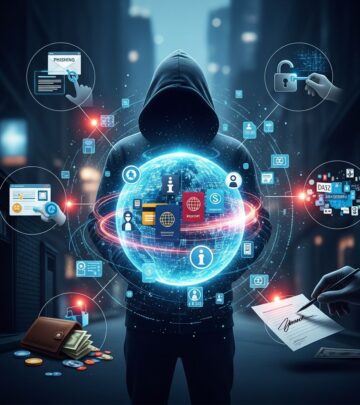
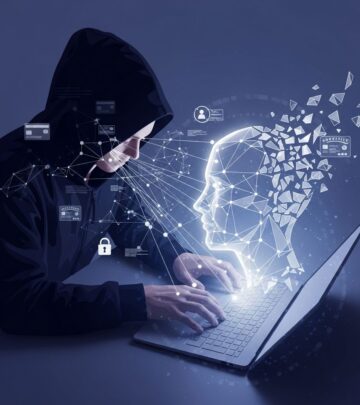
Criminals frequently target online environments to harvest sensitive details such as Social Security numbers, bank account credentials, and credit card information. Data breaches at major companies expose millions of records, which thieves then purchase on underground markets.
Phishing attacks trick users into revealing information via deceptive emails or websites mimicking legitimate entities. These schemes often urge immediate action, like clicking malicious links or providing login details.
- Email scams posing as banks or government agencies.
- Fake websites that capture entered data.
- Social media messages from fraudulent profiles.
Malware infection through downloads or compromised sites steals data directly from devices. Keyloggers record keystrokes, while spyware monitors browsing habits.
Physical Methods of Information Acquisition
Offline tactics persist despite digital dominance. Thieves engage in dumpster diving, sifting through trash for discarded documents containing account numbers or personal identifiers.
Mail theft from unsecured mailboxes yields checks, statements, and pre-approved credit offers ripe for exploitation. Lost or stolen wallets and purses provide immediate access to IDs and cards.
| Method | Description | Risk Level |
|---|---|---|
| Dumpster Diving | Searching trash for sensitive papers | High |
| Mail Theft | Stealing postal items | Medium-High |
| Stolen Wallets | Losing physical IDs and cards | High |
Social Engineering and Insider Threats
Criminals manipulate trust through pretexting, where they pose as authorities to extract information over phone or in person. Public Wi-Fi networks pose risks as hackers intercept unencrypted data transmissions.
Shoulder surfing occurs when thieves observe PIN entries at ATMs or keypads. Family members or acquaintances sometimes misuse shared access to accounts.
Dark Web and Data Trading
Stolen data proliferates on dark web forums, sold in bulk or as complete profiles. Services scan these hidden sites for exposed information, alerting users to potential breaches.
Criminals combine fragments from multiple sources to reconstruct full identities, enabling sophisticated fraud like opening new credit lines.
Preventive Measures Against Common Vectors
To counter digital threats, freeze credit files with Equifax, Experian, and TransUnion. This blocks new account openings without your PIN.
Regularly review financial statements and set transaction alerts. Strong, unique passwords combined with multi-factor authentication (MFA) fortify accounts.
- Use 12+ characters mixing letters, numbers, symbols.
- Enable MFA via apps or SMS.
- Employ password managers for secure storage.
Install and update antivirus software across devices. Avoid public Wi-Fi for sensitive tasks or use VPNs for encryption.
Offline Protection Strategies
Shred documents before disposal using cross-cut shredders. Secure mailboxes with locks and promptly remove mail.
Limit carrying Social Security cards; store them safely at home. Question requests for full SSN, offering last four digits when possible.
Leveraging Monitoring Services
Identity protection services provide continuous surveillance of credit reports, dark web mentions, and account changes. They notify of suspicious activities like new inquiries.
Free annual credit reports from major bureaus allow self-monitoring. Stagger requests every four months for ongoing oversight.
Table of Essential Tools
| Tool | Purpose | Implementation |
|---|---|---|
| Credit Freeze | Prevents new accounts | Contact bureaus online/phone |
| Antivirus Software | Blocks malware | Install and scan regularly |
| VPN | Encrypts public Wi-Fi | Use for sensitive access |
| Password Manager | Generates/stores strong passwords | Integrate with MFA |
| Shredder | Destroys physical docs | Cross-cut for security |
Social Media and Oversharing Risks
Limit posts revealing addresses, birthdates, or family details. Adjust privacy settings to restrict stranger access.
Verify friend requests and avoid clicking unsolicited links. These details aid phishing or password guessing.
Responding to Suspected Theft
Act swiftly upon detection: contact affected institutions, place fraud alerts, and file police reports. Credit freezes halt further damage.
Frequently Asked Questions
What is the fastest way to stop identity thieves from opening accounts?
Place a credit freeze with the three major bureaus immediately.
How often should I check my credit reports?
Obtain free reports annually, staggering by bureau every four months.
Is public Wi-Fi safe for banking?
No; use VPNs or avoid it for financial activities.
Can family members commit identity theft?
Yes, through misuse of shared information; monitor joint accounts.
What if my SSN appears on the dark web?
Enroll in monitoring services and freeze credit.
References
- How to Prevent Identity Theft: Best Practices for Protection — MetLife. 2023. https://www.metlife.com/stories/identity-theft/how-to-prevent-identity-theft-best-practices-for-protection/
- Identity Theft Prevention Guide — Penn State University. 2024. https://universityethics.psu.edu/our-expertise/privacy/protect-your-privacy/identity-theft-prevention-guide
- Strategies for Preventing Identity Theft — CrowdStrike. 2024. https://www.crowdstrike.com/en-us/cybersecurity-101/identity-protection/identity-theft-prevention-strategies/
- Top 10 Tips for Identity Theft Protection — State of California Department of Justice. 2023. https://oag.ca.gov/idtheft/facts/top-ten
- Identity Theft Preventative Measures Checklist — Pennsylvania Attorney General. 2023. https://www.attorneygeneral.gov/protect-yourself/identity-theft/identity-theft-preventative-measures-checklist/
- How Can I Better Protect Against Identity Theft? — Equifax. 2024. https://www.equifax.com/personal/education/identity-theft/articles/-/learn/how-to-protect-against-identity-theft/
- Identity Theft and Online Security — Federal Trade Commission. 2025. https://consumer.ftc.gov/identity-theft-online-security
Similar Articles








Read full bio of medha deb