How Hybrid Loans Work and Their Key Benefits
Master hybrid loans: Combining fixed and adjustable rates for flexible borrowing solutions.
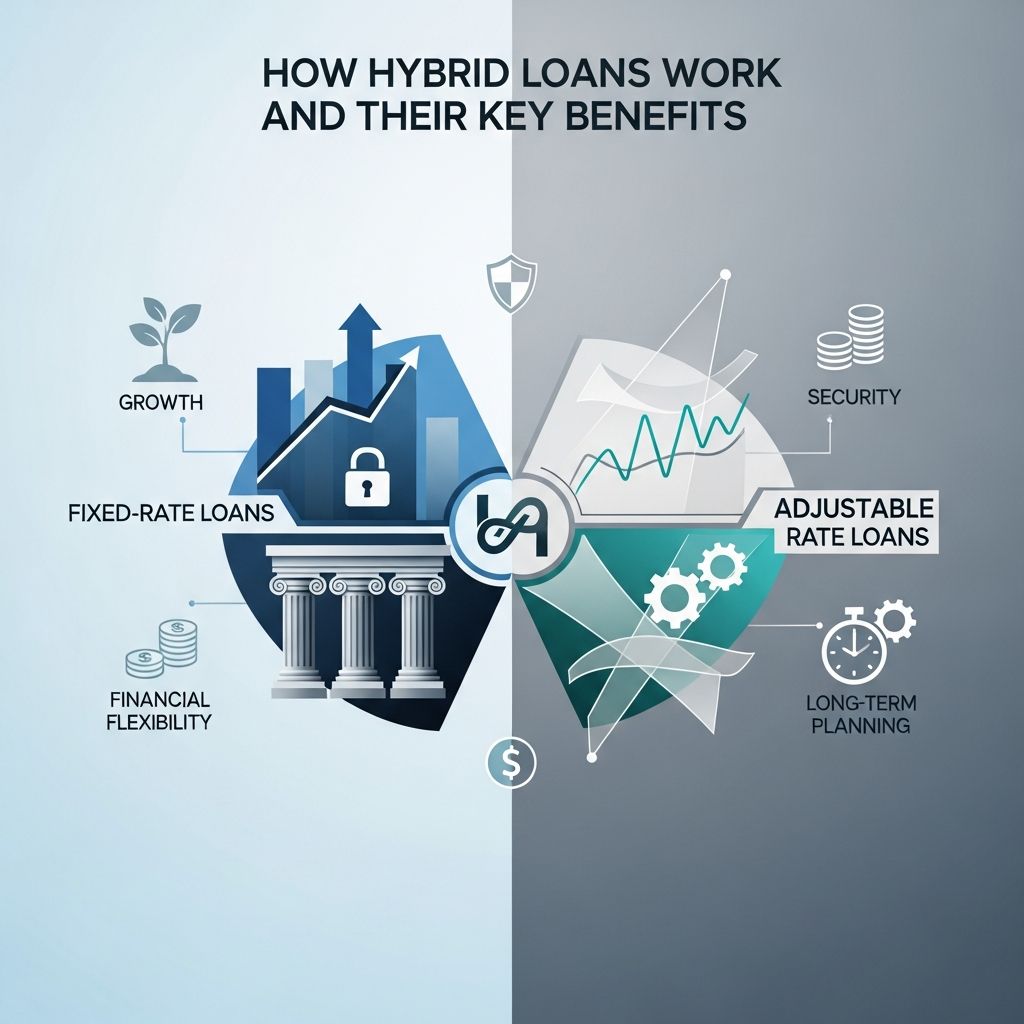
In the modern lending landscape, borrowers face numerous options when seeking financing solutions. Among these, hybrid loans have emerged as a versatile option that bridges the gap between traditional fixed-rate mortgages and adjustable-rate mortgages. A hybrid loan, also known as a hybrid mortgage, is a type of loan that combines features of both fixed-rate and adjustable-rate mortgages, offering borrowers a unique balance of stability and flexibility.
Understanding how hybrid loans function and recognizing their benefits can help you make informed decisions about your financial future. Whether you’re a first-time homebuyer, an experienced investor, or someone looking to refinance, hybrid loans present compelling advantages that traditional loan structures may not offer.
What Is a Hybrid Loan?
A hybrid loan is a mortgage product that combines the predictability of a fixed-rate loan with the flexibility of an adjustable-rate mortgage. The loan typically starts with a fixed interest rate for an initial period, commonly ranging from 3, 5, 7, or 10 years, before transitioning into an adjustable rate for the remainder of the loan term.
This structure is often referred to by its initial fixed-rate period. For example, a “5/1 hybrid ARM” means the borrower enjoys a fixed rate for the first five years, after which the rate adjusts annually. Similarly, a “7/1 hybrid” provides a seven-year fixed period before adjustments begin.
The appeal of this structure lies in its ability to provide borrowers with the best of both worlds. During the initial fixed-rate period, you benefit from predictable monthly payments and protection against rising interest rates. Once the loan transitions to the adjustable-rate phase, you have the opportunity to capitalize on potentially lower rates, should market conditions change.
How Hybrid Loans Work
The mechanics of hybrid loans involve a clear transition point that divides the loan term into two distinct phases. Understanding each phase is crucial for anyone considering this financing option.
The Fixed-Rate Period
During the initial fixed-rate period, your interest rate remains constant regardless of market fluctuations. This stability makes budgeting significantly easier, as your monthly mortgage payment remains unchanged throughout this phase. The length of this period is predetermined at loan origination, allowing you to plan your finances with certainty.
The fixed rate during this period is typically lower than the initial rate on a full adjustable-rate mortgage but may be slightly higher than a traditional 30-year fixed-rate mortgage. This positioning reflects the reduced risk lenders take during the fixed portion while accounting for potential rate increases in the adjustable phase.
The Adjustable-Rate Period
Once the fixed-rate period concludes, the interest rate begins to adjust periodically. These adjustments typically occur annually, though the frequency can vary based on the loan’s terms. When the rate adjusts, your monthly payment changes accordingly, potentially increasing or decreasing based on market conditions and the loan’s specific adjustment index.
Most hybrid loans include rate caps that limit how much your interest rate can increase during each adjustment period and over the life of the loan. These caps protect borrowers from excessive payment shock, though it’s essential to understand your loan’s specific caps and adjustment mechanisms.
Key Benefits of Hybrid Loans
Hybrid loans offer numerous advantages that appeal to different borrower profiles and financial situations. The benefits extend beyond the borrower to include advantages for lenders and the broader lending ecosystem.
Stability and Predictability
One of the primary advantages of hybrid loans is the stability they provide during the fixed-rate period. Knowing your exact mortgage payment for the next several years allows for more effective budgeting and financial planning. This predictability is particularly valuable for borrowers with tight budgets or those who prioritize certainty in their financial obligations.
For families with fixed incomes or those planning major life changes, this period of payment stability can be invaluable. You can confidently allocate resources to other financial goals, such as saving for education, retirement, or home improvements.
Lower Initial Interest Rates
Hybrid loans typically feature lower initial interest rates compared to traditional 30-year fixed mortgages. This rate advantage can translate into significant savings over the fixed-rate period. For borrowers planning to sell or refinance before the adjustable-rate period begins, this benefit can be substantial.
Even for those who remain in the property beyond the fixed period, the lower initial rate reduces the overall interest paid during the early years of the loan, allowing borrowers to build equity more quickly.
Flexibility for Different Life Scenarios
Hybrid loans are particularly well-suited for borrowers whose circumstances may change within the fixed-rate period. If you anticipate a job relocation, plan to sell your home, or expect to refinance within the initial period, a hybrid loan allows you to benefit from lower rates without committing to a full 30-year fixed mortgage.
This flexibility makes hybrid loans attractive to borrowers who value adaptability and want to maintain options as their life circumstances evolve.
Potential for Rate Reductions
During the adjustable-rate phase, if market interest rates decline, your rate may decrease accordingly (subject to any rate floors specified in your loan agreement). This presents an opportunity for borrowers to benefit from favorable market conditions without refinancing costs.
Conversely, if you secure your initial fixed rate during a period of elevated interest rates, the transition to an adjustable rate during a declining rate environment could result in lower payments than you would have experienced with a traditional fixed-rate mortgage.
Benefits for Different Stakeholders
The advantages of hybrid loans extend beyond individual borrowers to encompass various participants in the real estate and lending markets.
For Borrowers
Borrowers gain access to a financing solution that aligns with their specific financial goals and risk tolerance. Whether you prioritize payment stability, lower initial costs, or flexibility, hybrid loans offer features that can be tailored to your situation.
For Lenders
Hybrid loans enable lenders to manage interest rate risk more effectively. By incorporating an adjustable-rate component after the initial fixed period, lenders can mitigate potential losses caused by interest rate fluctuations. This risk-sharing arrangement promotes a healthier and more balanced lending environment.
For Real Estate Professionals
Understanding hybrid loans allows real estate agents and professionals to offer a broader range of financing options to their clients. This expanded knowledge enhances their expertise and enables them to provide tailored advice that aligns with their clients’ unique financial circumstances and objectives.
For Investors
Real estate investors find hybrid loans particularly attractive for optimizing cash flow and capitalizing on potential interest rate reductions. The flexibility of hybrid loans allows investors to structure their financing strategically, maximizing returns on investment while managing risk exposure.
Who Should Consider a Hybrid Loan?
Hybrid loans may be an excellent choice for specific borrower profiles and financial situations:
- Short-term homeowners: If you plan to sell or relocate within 5-7 years, a hybrid loan can provide lower initial rates without long-term exposure to adjustable rates.
- Borrowers expecting income growth: Those anticipating salary increases or career advancement may be comfortable with potentially higher payments during the adjustable phase.
- Rate cycle strategists: Borrowers who believe interest rates may decline can benefit from the upside potential of adjustable rates.
- Refinancing-ready borrowers: If you’re comfortable with the possibility of refinancing when rates are favorable, the initial rate savings can be substantial.
- Real estate investors: Those seeking to maximize cash flow flexibility and maintain multiple property positions benefit from hybrid loan structures.
Considerations and Potential Risks
While hybrid loans offer substantial benefits, borrowers should carefully consider potential drawbacks and risks associated with this financing structure.
Payment Shock Risk
When the loan transitions from the fixed rate to the adjustable rate, monthly payments can increase significantly. Even with rate caps in place, borrowers may experience substantial payment increases. This “payment shock” requires careful financial planning to ensure continued affordability.
Rate Uncertainty
Once the adjustable-rate period begins, you lose the certainty of fixed payments. If interest rates rise substantially, your monthly mortgage payment could increase considerably. Borrowers must be comfortable with this uncertainty and have the financial capacity to absorb potential payment increases.
Complexity
Hybrid loans are more complex than traditional fixed-rate mortgages. Understanding the rate adjustment mechanisms, caps, and how your specific loan operates requires careful review of your loan documents. Borrowers should not hesitate to ask questions and ensure they fully understand all terms before committing.
Comparing Hybrid Loans to Other Options
| Loan Type | Initial Rate | Payment Stability | Best For |
|---|---|---|---|
| Fixed-Rate Mortgage | Higher | Complete predictability | Long-term stability seekers |
| Adjustable-Rate Mortgage | Lowest | Highly variable | Short-term borrowers |
| Hybrid Loan | Lower than fixed | Stable then variable | Flexible borrowers |
Frequently Asked Questions
Q: What does a 5/1 hybrid loan mean?
A: A 5/1 hybrid loan features a fixed interest rate for the first five years, followed by annual rate adjustments for the remaining loan term. The “5” represents the fixed period, while the “1” indicates that rates adjust every year thereafter.
Q: Can I refinance during the fixed-rate period?
A: Yes, refinancing during the fixed-rate period is possible, though you would need to apply for a new mortgage and meet current lending standards. Refinancing may make sense if rates drop significantly or if your financial situation improves.
Q: Are there rate caps on hybrid loans?
A: Yes, most hybrid loans include periodic caps (limiting adjustment per period), lifetime caps (limiting total rate increase), and floor rates (minimum rate). These protections shield borrowers from unlimited rate increases.
Q: What happens if I sell during the fixed-rate period?
A: If you sell your home during the fixed-rate period, you simply pay off the remaining loan balance. You never experience the adjustable-rate phase, making hybrid loans ideal for borrowers planning a move within the fixed period.
Q: How do I know if a hybrid loan is right for me?
A: Evaluate your plans for the property, your risk tolerance, current interest rate environment, and your financial stability. If you’re comfortable with potential payment increases and plan to stay in the home or refinance before the adjustable period, a hybrid loan may be suitable.
Q: What index determines rate adjustments?
A: Hybrid loans typically adjust based on published indices such as the SOFR (Secured Overnight Financing Rate), Treasury rates, or LIBOR. Your loan documents specify which index applies to your mortgage.
References
- Hybrid Loan – Lark Real Estate Glossary — Lark. Accessed November 29, 2025. https://www.larksuite.com/en_us/topics/realestate-glossary/hybrid-loan
- What Is a Hybrid Loan? — First Financial Bank. Accessed November 29, 2025. https://www.bankatfirst.com/personal/discover/flourish/what-is-a-hybrid-loan.html
- Hybrid Mortgage: Definition, Benefits, and How It Works — MREI. Accessed November 29, 2025. https://www.mrei.co.uk/post/hybrid-mortgage-definition-benefits-and-how-it-works
- Hybrid Financing | Loan Market Solutions — Wilmington Trust. Accessed November 29, 2025. https://www.wilmingtontrust.com/library/article/hybrid-financing
Similar Articles








Read full bio of medha deb