How Furniture Flipping Works (And How To Start)
Learn how furniture flipping works, what you need to start, and simple steps to turn old pieces into steady side hustle income.

Flipping furniture is a beginner-friendly side hustle where you buy old or unwanted pieces, improve them, and resell them for a profit. With a small budget, basic tools, and some creativity, you can build a reliable stream of extra income while keeping items out of landfills and learning valuable business skills.
What does “flipping furniture” mean?
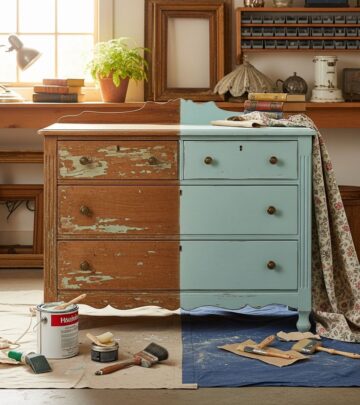
Flipping furniture is the process of buying used furniture at a low price, cleaning or refinishing it, and reselling it for a higher price. In other words, you are creating value by improving a piece so that buyers are willing to pay more than you paid.
In many cases, the furniture you flip may be:
- Old but solid pieces that mainly need cleaning or minor repairs
- Outdated items that can be modernized with paint, stain, or new hardware
- Free curbside or donation items that only require elbow grease to sell
Furniture flipping is similar to other resale side hustles, but the profit margins can be higher because individual pieces often sell for more than small items like clothes or décor.
Is flipping furniture profitable?
Flipping furniture can be profitable if you buy wisely, manage your costs, and price pieces correctly. Surveys of side hustlers and small resellers show that many furniture flippers earn hundreds of dollars per month, and experienced sellers can earn far more depending on their market and time invested.
Your profit on each flip is calculated as:
Profit = Selling price − Purchase price − Materials − Selling costs
For example, if you buy a dresser for $40, spend $20 on supplies, and sell it for $180 on a local marketplace with no listing fees, your profit is $120. Repeat that several times a month and you have a meaningful side hustle.
Typical profit range per piece
| Type of piece | Common buy price | Possible resale price | Approx. profit range* |
|---|---|---|---|
| Small side table / nightstand | $0–$30 | $40–$120 | $20–$80 |
| Dressers | $20–$80 | $150–$400 | $80–$250 |
| Dining tables / desks | $30–$150 | $200–$600 | $100–$350 |
| Chairs & accent pieces | $0–$40 | $50–$200 | $30–$150 |
*These are illustrative ranges; local demand, quality, and style all affect your results.
Factors that influence your profits
- Your market: Urban areas with higher housing costs usually support higher resale prices than very rural areas.
- Quality of pieces: Solid wood and mid-century or modern styles often sell faster and for more than low-quality particleboard.
- Skill and speed: As you improve, you will refinish faster, waste fewer materials, and choose pieces that sell quickly.
- Costs: Keeping supply, transport, and listing costs low will increase your net profit per item.
Pros and cons of flipping furniture
Like any side hustle, furniture flipping has trade-offs. Understanding them helps you decide if it fits your life and goals.
Benefits of flipping furniture
- Low startup cost: You can begin with one free or very cheap piece and a few basic tools and supplies.
- Flexible schedule: You choose when to source, refinish, and list items, making it easy to fit around work or family.
- High earning potential per item: A single successful flip can bring in the same profit as selling many small items.
- Creative outlet: Flipping lets you experiment with colors, finishes, and styles while learning practical DIY skills.
- Environmentally friendly: Extending the life of furniture reduces waste and demand for new production, which agencies highlight as a key sustainability strategy.
Drawbacks and challenges
- Physical work: Furniture is heavy; you will lift, sand, and move pieces regularly.
- Space requirements: You need safe, dry space for storing, working on, and photographing pieces.
- Time investment: Some pieces require many hours of sanding, painting, and curing time.
- Inconsistent sales: Demand can be seasonal; for example, housing moves or holidays can change buying patterns.
- Learning curve: It takes practice to evaluate pieces, price correctly, and avoid money-losing buys.
How to start flipping furniture step by step
You do not need to be an expert to begin. Use this simple process to launch your furniture flipping side hustle with minimal overwhelm.
1. Set your budget and income goal
Decide how much you can safely invest to start and how much income you would like to earn per month.
- Start with a small test budget (for example, $50–$150 for your first one or two pieces).
- Set a specific monthly goal like “$200 profit from 2–3 flips” or “$500 profit from 4–6 flips.”
- Only use money you can afford to tie up for a few weeks while pieces sell.
2. Gather basic tools and supplies
You can begin with very simple equipment and upgrade as profits grow. Consumer and safety agencies emphasize using proper protective equipment when sanding or working with solvents.
- Cleaning supplies: degreaser, mild soap, rags, scrub brushes
- Basic tools: screwdrivers, pliers, hammer, putty knife
- Sanding tools: sandpaper (various grits) and, if possible, a basic orbital sander
- Finishing materials: primer, paint or stain, topcoat or sealer
- Personal protective equipment: dust mask or respirator, safety glasses, and gloves
3. Find your first piece to flip
Look for sturdy, in-demand pieces that need cosmetic work rather than major repairs. Good beginner sources include:
- Local online marketplaces and buy/sell groups
- Thrift stores and charity shops
- Yard sales, estate sales, and moving sales
- Curbside items or donations from friends and family
When evaluating a piece, check for:
- Solid construction (especially solid wood) and stable legs
- Minimal water damage, warping, or mold
- Drawers that open and close smoothly
- Styles that match current local demand (modern, mid-century, farmhouse, etc.)
4. Clean and repair before you refinish
Deep cleaning often makes the biggest visual difference. Remove dirt, grease, stickers, and odors before sanding or painting. Tighten screws, glue loose joints, and fill holes or gouges with wood filler. Addressing these issues early saves time and improves your final finish.
5. Refinish or update the piece
Choose a level of work that fits your skill and the piece’s value:
- Simple refresh: Clean, lightly sand, and apply a fresh coat of paint or stain.
- Moderate update: Sand more thoroughly, repair chips or veneer, change hardware, or add decorative details.
- Full refinish: Strip old finish, repair or replace parts, stain or paint, and add a durable topcoat.
Follow safety instructions on all products, ensure adequate ventilation, and allow each coat to dry fully. This leads to a better result and fewer touch-ups.
6. Photograph and list your furniture
High-quality photos and clear descriptions help pieces sell faster and for better prices.
- Take photos in natural light against a neutral background.
- Include multiple angles, close-ups of details, and before/after photos when possible.
- Write a detailed description including dimensions, materials (e.g., solid wood), color, and any unique features.
- Mention if your home is smoke-free or pet-free, if relevant to buyers.
List on platforms where local buyers are active, such as community marketplaces, local selling apps, or neighborhood bulletin boards.
7. Price and negotiate strategically
Research similar items to see what they actually sell for in your area, not just their asking prices. Consider:
- Your total cost (purchase, materials, and any fees)
- Time spent on the piece
- Current demand for that style
Start slightly above the minimum you are willing to accept to allow room for negotiation. Be professional, respond promptly to messages, and prioritize safe public meetups or porch pickups.
8. Track your numbers and repeat
Treat your flipping like a small business from the beginning. Track:
- Purchase price and date
- Supply costs
- Time spent on each piece
- Listing date, selling date, and final sale price
Over time, this data shows which pieces bring the best return on your time and money, helping you refine your strategy and scale intelligently.
Tools, safety, and workspace tips
Working with furniture involves dust, heavy lifting, and sometimes chemical products. A bit of planning keeps you safe and efficient.
Setting up a simple workspace
- Use a garage, carport, spare room, or outdoor area protected from rain and direct sun.
- Lay down drop cloths or cardboard to protect floors.
- Keep your most-used tools and supplies organized in one area or portable bin.
- Ensure good ventilation when using paints, stains, and solvents.
Safety best practices
- Wear eye protection, a dust mask or respirator, and gloves while sanding or using chemicals.
- Lift with your legs, not your back, and get help with heavy items to avoid injury.
- Read product labels for safe use, storage, and disposal instructions.
- Be cautious when working on very old pieces that may contain lead-based paint; follow local guidance for safe handling.
Legal and financial basics
If you flip a few pieces each year, it may remain a casual hobby. But if you consistently earn money, it functions as a small business and you should understand basic tax and legal considerations.
- Record keeping: Track income and expenses for accurate reporting and to understand your profitability.
- Taxes: In many countries, self-employment or side hustle income is taxable; consult official tax guidance or a professional for your situation.
- Business registration: As you grow, you may choose to formalize as a small business depending on local regulations.
- Insurance: If you store many items or welcome buyers to your home or workshop, speak with an insurance professional about appropriate coverage.
Beginner mistakes to avoid
Learning from common mistakes will save you money and frustration.
- Overpaying for inventory: If you pay too much at the start, it is hard to make a profit after supplies and time.
- Taking on major repairs too early: Structural damage, missing pieces, or extensive veneer issues can be time-consuming even for experienced refinishers.
- Ignoring safety: Skipping masks, gloves, or ventilation can expose you to dust or chemical fumes.
- Not checking measurements: Buyers need accurate dimensions; incorrect measurements lead to canceled sales.
- Underpricing finished pieces: Many beginners forget to value their time and skills. Review local comparables to price fairly.
Frequently Asked Questions (FAQs)
Q: How much money do I need to start flipping furniture?
You can begin with as little as $50–$150 if you choose one inexpensive or free piece and use basic tools and supplies you already own. As you profit from early flips, you can reinvest in better tools, more inventory, and higher-quality products.
Q: Do I need woodworking experience to flip furniture?
No. Many successful flippers start with no formal DIY or woodworking background. Begin with simple projects that mainly require cleaning, paint, and minor repairs, then gradually learn more advanced techniques from reputable tutorials, community classes, or vocational programs.
Q: How long does it take to flip one piece of furniture?
A small side table or nightstand may take just a few hours of active work spread over a couple of days to allow for drying time, while a dresser or dining table can require several days or more depending on the condition, complexity of the finish, and your schedule.
Q: Where is the best place to sell flipped furniture?
Most beginners start with local online marketplaces, neighborhood groups, or community bulletin boards because they avoid shipping costs and allow buyers to inspect pieces in person. As your business grows, you might explore consignment shops, small retail spaces, or specialized online platforms that focus on furniture or home décor.
Q: Can flipping furniture become a full-time income?
Yes, some people turn furniture flipping into a full-time business by increasing volume, specializing in high-demand styles, and refining their sourcing and finishing systems. However, results vary widely; it is usually best to start part-time, validate demand in your area, and scale gradually while tracking your numbers carefully.
References
- Resale Industry Overview — Bureau of International Recycling / industry reports summarised by major business media. 2023-05-01. https://www.reuters.com/markets/wealth/side-hustle-economy-how-people-are-making-extra-cash-2023-08-03/
- How Side Hustles Are Changing Work — The Economist. 2022-10-22. https://www.economist.com/finance-and-economics/2022/10/22/how-side-hustles-are-changing-work
- How to Start a Home-Based Business — U.S. Small Business Administration. 2024-01-10. https://www.sba.gov/business-guide/plan-your-business/
- Textiles and the Environment: The Role of Reuse — European Environment Agency. 2022-02-10. https://www.eea.europa.eu/publications/textiles-and-the-environment-in-the-eu
- Protect Yourself from Chemicals While Refinishing Furniture — U.S. Consumer Product Safety Commission. 2023-04-05. https://www.cpsc.gov/Safety-Education/Safety-Education-Centers/Household-Hazardous-Substances
- Gig Economy Tax Center — Internal Revenue Service. 2024-02-15. https://www.irs.gov/businesses/gig-economy-tax-center
Similar Articles








Read full bio of medha deb