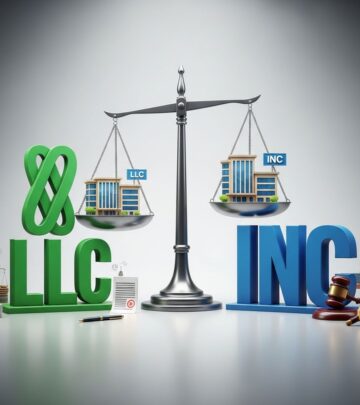
How Families Can Invest Together with an LLC
Discover how family LLCs enable joint investment, asset protection, and wealth building across generations.

A Limited Liability Company (LLC) offers families a powerful vehicle for combining their financial resources and investment goals. Rather than managing investments individually or through traditional structures, a family LLC allows multiple family members to pool capital, share investment opportunities, and work toward common financial objectives. This structure has become increasingly popular among families seeking to strengthen their financial foundation while protecting individual assets from business liabilities.
For families looking to invest together, an LLC provides flexibility, control, and tax advantages that other structures may not offer. Whether your family is interested in real estate investments, business ventures, or building a diversified investment portfolio, understanding how to establish and operate a family LLC is essential for making informed decisions about your collective financial future.
What Is a Family LLC and How Does It Work?
A family LLC is a business entity formed by family members who wish to jointly own and manage assets or investments. Unlike traditional partnerships or corporations, an LLC combines the flexibility of a partnership with the liability protection of a corporation. Each family member who contributes capital becomes a member of the LLC and holds ownership interests in the entity.
The structure works by having the family establish a formal operating agreement that outlines how decisions will be made, profits will be distributed, and disputes will be resolved. Senior family members typically establish the LLC, fund it with initial capital, and then distribute membership interests to other family members, including younger generations. This tiered approach allows parents or grandparents to maintain control while gradually transferring wealth and responsibility to their children.
One key advantage of this structure is that it functions as a pass-through entity for income tax purposes. This means the LLC itself does not pay income taxes. Instead, profits and losses pass through to each member’s personal tax return, and members pay taxes at their individual rates. This approach helps avoid the double taxation that occurs with traditional corporations.
Primary Benefits of Family LLCs for Joint Investment
Asset Protection and Liability Shielding
One of the most compelling reasons families establish LLCs is the liability protection they provide. When you invest through a family LLC, your personal assets remain separate from business liabilities. If the LLC faces a lawsuit or creditor claim, your personal home, bank accounts, and other individual assets are generally protected. This protective shield is especially valuable when the LLC invests in rental properties, operates a business, or engages in other activities that carry potential legal risk.
This separation between personal and business assets means family members can pursue investment opportunities with greater confidence, knowing their individual financial security is not entirely dependent on the success or failure of every venture the LLC undertakes.
Tax Flexibility and Optimization
Family LLCs offer substantial flexibility in how they are taxed. The LLC can choose to be taxed as a partnership, S corporation, or sole proprietorship, depending on what benefits the family most. This flexibility allows families to optimize their tax situation based on their specific circumstances and goals.
Additionally, family LLCs can take advantage of valuation discounts when transferring ownership interests to younger family members. Because limited interests in an LLC lack marketability and do not grant management control, the IRS may allow a valuation discount of up to 40% when calculating gift and estate taxes. This means parents can transfer significantly more value to their children without triggering large tax bills. Combined with the annual gift tax exclusion, which currently stands at $15,000 per recipient, families can transfer substantial wealth efficiently.
Pooled Resources and Enhanced Investment Capacity
When families invest through an LLC, they combine their capital into a single investment pool. This larger pool of resources opens doors to investment opportunities that individual family members might not be able to access alone. For example, real estate investments, significant business ventures, or diversified portfolios may require capital levels that exceed what any single family member can comfortably invest.
A larger investment pool also reduces per-capita management fees and allows for greater diversification. Investment managers and advisors often charge lower percentage fees on larger accounts, and more capital enables investment in a wider range of asset classes and opportunities.
Simplified Gift and Transfer Processes
Rather than liquidating investments to raise cash for gifts or requiring family members to physically divide assets among heirs, an LLC allows families to gift or transfer membership units. This approach preserves the investment portfolio and avoids triggering capital gains taxes that would occur if investments had to be sold and the proceeds redistributed. When family members inherit LLC interests, they receive the underlying investments intact, which can be more efficient than dividing up specific securities or properties.
Management Flexibility
Family LLCs provide flexibility in how management decisions are made and implemented. Some families choose to manage the LLC themselves, while others appoint designated managers or professional advisors. This flexibility allows the structure to adapt to the family’s preferences and capabilities. For instance, a family might initially have experienced investors manage the LLC, then gradually transition management responsibilities to younger, educated family members as they develop expertise.
Generational Wealth Development
Perhaps most importantly, a family LLC facilitates multi-generational wealth building. Parents can retain control over the LLC and its assets while gifting membership interests to children and grandchildren. This approach minimizes gift tax obligations during the grantor’s lifetime while allowing the next generation to participate in investment returns and gradually develop financial responsibility and investment knowledge. Over time, this structure can help build lasting family wealth while teaching younger members about investing and financial stewardship.
Important Considerations and Drawbacks
Setup and Ongoing Costs
Establishing a family LLC involves significant initial expenses. Legal fees for drafting the operating agreement, state filing fees for registering the LLC, and costs associated with transferring assets into the entity all add up. Additionally, LLCs require ongoing maintenance, including annual filings, tax returns, and potentially accounting services. These costs can be a burden for smaller investment pools but are generally manageable when weighed against the benefits for larger family investments.
Administrative Responsibilities
Operating an LLC requires meticulous record-keeping and compliance with state regulations. The LLC must file annual reports, maintain detailed financial records, document all member decisions, and ensure compliance with tax requirements. This administrative burden can be time-consuming and complex, particularly if family members lack experience with business operations or accounting.
Self-Employment Taxes
If the LLC is engaged in active business operations rather than purely passive investment, members may owe self-employment taxes on their share of profits. This tax obligation can impact overall earnings and requires careful planning with a tax professional to understand the implications for your specific situation.
Potential Family Conflicts
Combining family relationships with business operations can create conflicts around management decisions, profit distribution, and investment strategy. Disagreements over risk tolerance, investment direction, or how profits should be reinvested versus distributed can strain family relationships if not carefully managed through clear communication and well-drafted operating agreements.
Limited Liquidity of Interests
LLC membership interests are typically restricted and can only be transferred to other family members or sold to existing members. This limited liquidity means a family member who wants to exit the investment or needs cash may have difficulty converting their ownership stake back into liquid funds quickly. Unlike publicly traded stocks, there is no ready market for LLC interests.
IRS Scrutiny
The IRS views family LLCs carefully, particularly when they appear to be formed primarily for tax avoidance rather than legitimate business or investment purposes. The entity must have substance and genuine economic purpose beyond tax reduction. Additionally, the structure must include some management or control restrictions to justify valuation discounts; an LLC where all members have equal control and management rights may not qualify for the discounts that make the structure attractive for estate planning.
Structuring Your Family LLC for Success
Establishing Clear Operating Agreements
A comprehensive operating agreement is the foundation of a successful family LLC. This document should clearly specify:
- How management decisions will be made and what votes are required
- How profits and losses will be distributed among members
- What happens if a member wants to exit or dies
- Restrictions on transferring membership interests
- Rules for admitting new members
- Capital contribution requirements and procedures
A clear operating agreement prevents misunderstandings and provides a framework for resolving disputes without damaging family relationships.
Tiered Ownership Structures
Many families use a tiered approach to LLC ownership that maximizes tax benefits while preserving control. Senior family members might hold managing member interests that grant them decision-making authority, while younger family members hold limited membership interests that provide investment participation without management responsibilities. Some families even use carried interest arrangements where junior members earn a share of profits based on investment performance, incentivizing them to learn about wealth management while rewarding successful investing.
Professional Guidance and Documentation
Establishing a family LLC should involve professionals including an attorney experienced in business and estate law, a certified public accountant, and possibly a financial advisor. These professionals can ensure the LLC is properly structured, documented, and operated to withstand IRS scrutiny and achieve your family’s financial objectives. They can also provide guidance on appropriate valuation discounts, distribution strategies, and tax planning.
Comparison: Family LLC vs. Other Investment Structures
| Feature | Family LLC | Family Trust | Family Limited Partnership |
|---|---|---|---|
| Liability Protection | Yes, for all members | Limited | Yes, for limited partners only |
| Tax Flexibility | High – can choose tax treatment | Medium – fixed structure | Medium – pass-through entity |
| Management Control | Flexible – can be customized | Limited – trustee controls | Restricted to general partners |
| Valuation Discounts | Up to 40% for limited interests | Minimal | Up to 40% for limited interests |
| Setup Costs | Moderate | High | Moderate to High |
| Administrative Burden | Moderate – annual filings required | Moderate – trustee duties | Moderate to High |
| Asset Transfer Ease | Easy – transfer membership units | Easy – already in trust | Moderate – requires partnership approval |
Best Practices for Family LLC Investment Management
Successful family LLCs share common characteristics. They maintain clear separation between personal finances and LLC finances, never commingling personal assets with business assets. They establish investment policies that outline acceptable investment types and risk parameters. They hold regular family meetings to discuss investment performance, strategy adjustments, and any member concerns. They maintain meticulous financial records and file all required tax returns and regulatory filings on time.
Successful families also establish succession plans that address what happens when key members retire, become unable to participate, or pass away. They review their LLC structure periodically to ensure it continues to serve their evolving financial goals and takes advantage of any tax law changes.
Frequently Asked Questions About Family LLCs
Q: How much capital is needed to establish a family LLC?
A: There is no minimum capital requirement set by law. However, the LLC must be adequately capitalized to appear legitimate to the IRS. The specific amount depends on the nature of the investments and the family’s goals. Consult with a professional to determine an appropriate capitalization level.
Q: Can we transfer real estate into a family LLC?
A: Yes, real estate can be transferred into an LLC, though this may trigger reassessment of property taxes in some states. The transfer process involves conveying the property deed to the LLC. Consult with a local real estate attorney to understand the implications in your jurisdiction.
Q: What happens to the LLC if a family member dies?
A: The operating agreement should specify succession procedures. Typically, the deceased member’s interest passes to their estate or designated beneficiaries. The LLC can continue operating, or family members may decide to distribute assets to heirs. Proper planning ensures a smooth transition.
Q: Can we change our LLC to a different structure if our needs change?
A: Yes, an LLC’s operating agreement can be modified with member consent. However, some structural changes may have tax implications. Significant changes may require consultation with a tax professional.
Q: Does a family LLC need to file its own tax return?
A: Most family LLCs file Form 1065 (Partnership Return of Income) or similar forms, even though they are pass-through entities. Individual members report their share of income on their personal tax returns. The specific forms depend on the LLC’s tax election and structure.
Q: Can minors be members of a family LLC?
A: While minors can technically own interests in an LLC, there are complexities involving guardianships, control of assets, and tax implications. Most families use trusts or custodial arrangements for minor beneficiaries rather than direct membership. Consult with an attorney if you plan to include minors.
Q: What is “phantom income” and how do LLCs avoid it?
A: Phantom income occurs when members owe taxes on profits they haven’t received. Unlike S corporations that must distribute profits equally, LLCs have flexibility in profit distribution, allowing members to receive distributions matching their tax liability. This prevents the phantom income problem.
Q: How often should we review and update our family LLC structure?
A: At minimum, review your LLC structure annually and after any significant family or financial changes. Changes in tax law, family circumstances, investment objectives, or member situations may warrant updates to your operating agreement or overall strategy.
References
- Family Trust vs LLC: Key Benefits and Drawbacks for Young Families — Bright Advisers. 2024. https://brightadvisers.com/family-trust-vs-llc-key-benefits-and-drawbacks-for-young-families/
- Why Structure Your Family Office as an LLC? — BPM. 2024. https://www.bpm.com/insights/can-a-family-office-be-an-llc/
- Pros and Cons to Forming Family Limited Liability Companies — Virtus Law. 2018. https://www.virtuslaw.com/2018/03/20/pros-cons-forming-family-limited-liability-companies/
- Family Investment Companies Are Fantastic — O’Leary-Guth Law Office. 2024. https://www.olglawoffice.com/news/91-family-investment-companies-are-fantastic
- Using a Family LLC for Estate Planning — The Tax Adviser. 2021. https://www.thetaxadviser.com/issues/2021/jun/family-llc-estate-planning/
Similar Articles








Read full bio of Sneha Tete