E-Bike Commuting: 5 Ways To Save Up To $6,600/Year
Discover how switching to an e-bike for your daily commute can slash transportation costs, improve health, and benefit the environment while saving thousands annually.
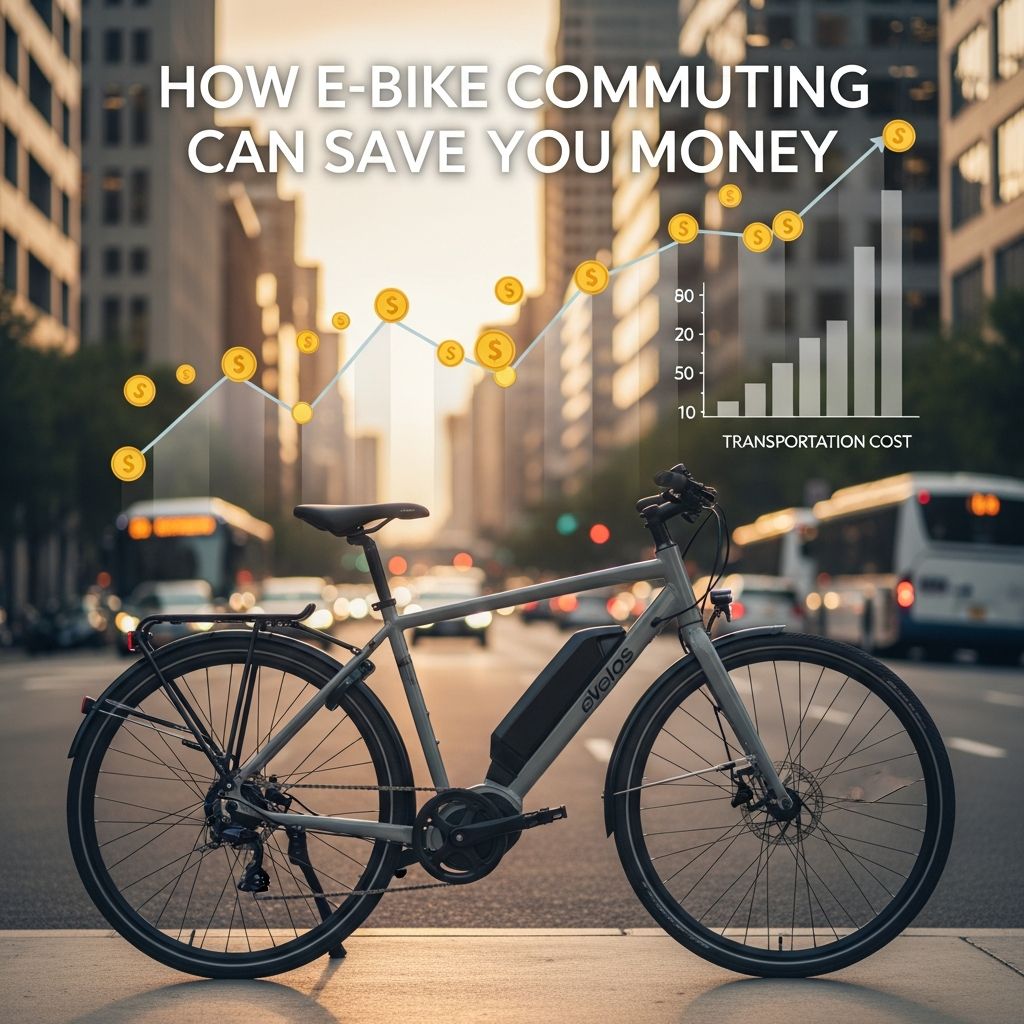
Switching to an e-bike for your daily commute can dramatically reduce your transportation expenses, often saving commuters thousands of dollars each year through lower fuel, maintenance, parking, and insurance costs. With operating costs as low as $200 annually versus over $3,000 for a car, e-bikes prove a smart financial choice for urban travelers.
Why E-Bikes Are a Smart Commuting Choice
E-bikes combine pedal power with electric assistance, making them ideal for daily commutes without the exhaustion of traditional biking. About 22.5% of e-bike owners in the U.S. use them for commuting, enjoying quicker trips, minimal upkeep, and substantial savings. Unlike cars stuck in traffic, e-bikes navigate bike lanes efficiently, cutting travel time while promoting fitness and reducing stress.
The appeal extends beyond finances: e-bikes emit far less CO2—only 2.6 to 5 grams per kilometer versus 271 grams for cars—making them 50 times cleaner per mile. They also ease traffic congestion; if 10% of urban residents switched, congestion could drop by 30%. For commuters, this means faster, healthier, and greener rides.
The Real Costs of Car Commuting vs. E-Bike
Car commuting racks up expenses quickly. Here’s a breakdown comparing average annual costs for a typical 10-mile daily round-trip commute (250 workdays/year):
| Expense Category | Car (Annual Cost) | E-Bike (Annual Cost) | Potential Savings |
|---|---|---|---|
| Fuel/Energy | $2,600 (gas) | $21 (electricity) | $2,579 |
| Maintenance | $1,000+ | $100-$200 | $800-$900 |
| Insurance | $1,200 | $0-$200 | $1,000-$1,200 |
| Parking/Tolls | $500-$2,000 | $0 | $500-$2,000 |
| Total | $3,000-$6,800 | $200 | $2,800-$6,600 |
Data derived from commuter analyses showing e-bikes cost less than $0.01 per mile versus $0.10-$0.15 for cars. These figures exclude depreciation and registration fees, which further favor e-bikes.
Fuel and Energy Savings
Charging an e-bike costs pennies: just $21 yearly for average use, equivalent to less than a cup of coffee monthly. Cars guzzle $2,600+ in gas alone, with costs per mile 10-15 times higher. Electric assist ensures you cover distances effortlessly, maximizing these low-energy savings.
Maintenance and Repairs
E-bikes require minimal upkeep—no oil changes, fewer tire replacements due to lower speeds, and simpler mechanics. Annual costs hover at $100-$200, versus $1,000+ for cars including tires, brakes, and inspections. Batteries last 3-5 years, and many models qualify for warranties covering major repairs.
No More Parking or Tolls
Urban parking averages $500-$2,000 yearly; tolls add more. E-bikes lock to any rack for free, eliminating these hassles and saving commuters hundreds. In cities like New York, this alone offsets monthly transit passes costing over $100.
Insurance Savings
Car insurance runs $1,200 annually; e-bike policies, if needed, cost $0-$200 for theft coverage. Many riders forgo it entirely, pocketing the difference.
Upfront Costs and How to Offset Them
E-bikes range from $1,000-$3,000 for quality commuters, far below cars ($30,000+). They pay for themselves in 6-12 months via savings. Rebates amplify this: states like Vermont offer up to $1,200, while programs like New York’s TransitChek provide $270 monthly pre-tax. Federal tax credits and employer commuter benefits further reduce costs.
- Shop smart: Entry-level models under $2,000 deliver reliable performance.
- Incentives: Check state programs (e.g., Oregon’s tax savings) and employer perks.
- ROI example: A $2,000 e-bike saves $2,800 yearly—net positive in under a year.
Health and Lifestyle Benefits of E-Bike Commuting
Beyond savings, e-bikes boost health. Research shows they improve physical fitness, mental well-being, and happiness for inactive commuters. The pedal-assist encourages longer rides, burning calories without sweat, while reducing stress from traffic.
- Daily exercise integrated into commutes fights sedentary lifestyles.
- Mental perks: Less congestion stress, more enjoyment.
- Accessibility: Hills and distances become effortless.
Environmental Wins from E-Bike Commuting
E-bikes slash emissions 50-fold versus cars, producing just 2.6-5g CO2/km indirectly from grid power. They reduce noise, road wear, and congestion, potentially saving cities $800 million in infrastructure over 20 years. Commuters contribute to cleaner air and livable urban spaces.
Tips for Getting Started with E-Bike Commuting
Transition smoothly with these steps:
- Test ride: Ensure fit and comfort for your route.
- Gear up: Helmet, lights, panniers for safe, practical rides.
- Secure storage: Use locks and covered areas to deter theft.
- Route plan: Use apps for bike lanes; start with short trips.
- Weather prep: Fenders and layers handle rain; e-assist motivates year-round.
Many cities invest in bike infrastructure, making e-commuting safer and faster.
Frequently Asked Questions (FAQs)
What are the biggest savings from e-bike commuting?
The largest savings come from fuel ($2,579/year), maintenance ($800+), parking ($500-$2,000), and insurance ($1,000+), totaling $2,800-$6,600 annually.
How much does it cost to charge an e-bike?
About $21 per year for average commuting, or less than $0.01 per mile—far cheaper than gas cars.
Are e-bikes worth the upfront cost?
Yes, quality models ($1,000-$3,000) pay off in 6-12 months via savings, plus rebates like $1,200 in some states.
Is e-bike commuting good for health?
Absolutely—it provides exercise, reduces stress, and boosts well-being, especially for inactive people.
Do e-bikes help the environment?
Yes, emitting 50x less CO2 than cars and easing traffic/road wear.
What about theft or weather?
Secure with heavy-duty locks; e-assist handles hills/rain, encouraging consistent use.
Ready to save? E-bike commuting transforms expenses into savings, health into habit, and commutes into enjoyment. Start small, leverage incentives, and watch costs plummet.
References
- How Much Are Electric Bike Commuters Saving? — Macfox Bike. 2024. https://macfoxbike.com/blogs/news/ebike-commuters-cost-savings
- Are E-Bikes Worth the Investment? Pros and Cons for Commuters — Upway. 2024. https://upway.co/blogs/news/are-e-bikes-worth-the-investment-pros-and-cons-for-commuters
- Top Benefits of Switching to an E-Bike for Commuting — Electrified eBikes. 2024. https://electrifiedebikes.com/benefits-of-ebikes-for-commuting/
- Health and well-being benefits of e-bike commuting for inactive… — PMC (PubMed Central, NIH). 2022-12-01. https://pmc.ncbi.nlm.nih.gov/articles/PMC9790588/
- Maximize Your Savings with the 2024 E-Bike Commuter Benefit Programs — Bandit Bike. 2024. https://bandit.bike/blogs/articles/maximize-your-savings-with-the-2024-e-bike-commuter-benefit-programs
Similar Articles








Read full bio of medha deb