How Does Credit Work?
Unlock the fundamentals of credit: from reports and scores to building a strong financial future with smart borrowing habits.

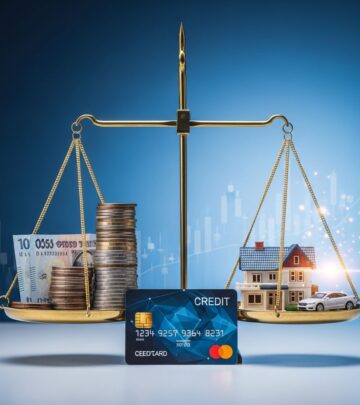
Credit forms the backbone of modern financial systems, enabling individuals to access funds or services upfront with a commitment to repay later. This mechanism relies on tracked borrowing history to determine trustworthiness for future loans. Lenders evaluate potential borrowers through detailed records and numerical summaries, influencing everything from interest rates to approval decisions.
The Foundation of Credit: Borrowing and Repayment
At its core, credit represents an agreement where a lender provides money or services, expecting repayment plus potential interest. This system incentivizes timely payments through interest charges that cover risk and encourage prompt repayment. When payments occur on schedule, they build a positive record; delays or defaults create negative marks that can limit future access.
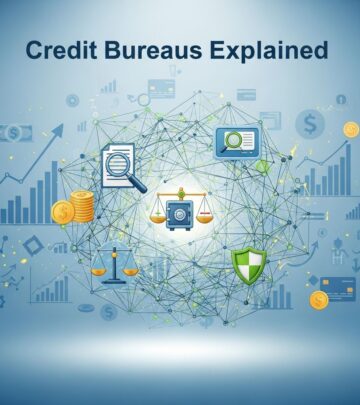
Three major credit bureaus—Experian, Equifax, and TransUnion—collect data from lenders on accounts, balances, and payment behaviors. These independent entities compile comprehensive profiles used by banks, landlords, and insurers to gauge reliability.
Deciphering Credit Reports
A credit report is a detailed dossier of your financial interactions, including open accounts, payment statuses, debt levels, and public records like bankruptcies. Lenders report activity monthly to bureaus, which update reports accordingly. Key sections cover personal information, credit accounts, inquiries, and derogatory items.
- Personal Details: Name, address, Social Security number for identification.
- Account History: Dates opened, balances, payment records for each loan or card.
- Inquiries: Recent checks by lenders (hard) or yourself (soft).
- Public Records: Bankruptcies, foreclosures, or collections.
Individuals can access free weekly reports from AnnualCreditReport.com, authorized by federal law, to monitor accuracy and dispute errors.
Credit Scores: Your Financial Snapshot
Credit scores distill report data into a three-digit number, typically 300-850, where higher values indicate lower risk. FICO, the most widely used model, powers 90% of lending decisions, while VantageScore offers an alternative. Scores predict repayment likelihood based on patterns like timely payments and low utilization.
| Score Range | Rating | Implications |
|---|---|---|
| 800-850 | Exceptional | Best rates, easy approvals |
| 740-799 | Very Good | Strong terms, high approval |
| 670-739 | Good | Competitive offers |
| 580-669 | Fair | Higher rates, some denials |
| 300-579 | Poor | Limited access, high costs |
Scores update frequently as new data arrives, with variations possible across bureaus or models.
Key Factors Shaping Your Credit Score
Scores derive from weighted elements in your report. Understanding these empowers targeted improvements.
- Payment History (35%): Tracks on-time payments versus delinquencies. Even one late payment can drop scores significantly, lingering for seven years.
- Amounts Owed (30%): Measures utilization—balances relative to limits. Keeping under 30% boosts scores.
- Length of History (15%): Older accounts signal experience; closing old cards shortens this.
- New Credit (10%): Multiple applications trigger hard inquiries, hinting at risk.
- Credit Mix (10%): Variety of account types (revolving, installment) shows versatility.
These FICO weights guide habits like automating payments and spacing applications.
Exploring Credit Varieties
Different credit forms suit varied needs, each impacting scores uniquely.
- Revolving Credit: Flexible limits like credit cards; pay minimums or full, with interest on carries.
- Installment Credit: Fixed loans (auto, personal) repaid in set amounts over time.
- Charge Cards: Similar to cards but require full monthly payoff, building discipline.
- Service Credit: Utilities or phone bills; positive payments may report, aiding thin files.
Non-traditional options like rent reporting expand history for newcomers.
Why Credit Influences Daily Life
Beyond loans, credit affects rentals (landlords check scores), insurance premiums (higher scores mean lower rates), utilities (deposits for poor credit), and employment (some verify for financial roles). Good credit unlocks favorable terms; poor credit raises costs and barriers.
Building Credit from Scratch or Recovery
For those with limited or damaged credit:
- Start with secured cards: Deposit-backed limits report activity.
- Become authorized user on trusted accounts.
- Opt for credit-builder loans: Funds held until repaid.
- Pay all bills on time; use auto-pay.
Patience yields results—scores rise with consistent habits over months.
Protecting Your Credit Health
Monitor reports regularly, freeze credit to prevent fraud, dispute inaccuracies promptly. Avoid maxing cards, limit inquiries, and diversify without overextending. Tools like free score trackers from bureaus aid vigilance.
Frequently Asked Questions
What is a credit score used for?
Lenders use it to assess risk, set rates, and approve credit. It’s also checked for apartments, jobs, and insurance.
How long do negative items stay on reports?
Most delinquencies and collections last seven years; bankruptcies up to 10.
Can I improve my score quickly?
Yes, by paying down debt and correcting errors; full recovery takes time.
Are all scores the same?
No, FICO and VantageScore differ slightly; lenders specify models.
Does checking my own score hurt it?
No, soft inquiries don’t affect scores.
Advanced Strategies for Credit Mastery
Experienced users balance utilization across cards, negotiate limits upward, and time debt payoff before applications. Understanding APRs—annual percentage rates combining interest and fees—helps compare offers. Grace periods (20-30 days interest-free) apply only to full monthly payers.
For large purchases, pre-qualify to minimize inquiries. In disputes, provide documentation; bureaus must investigate within 30 days.
Credit evolves with fintech: Buy-now-pay-later services may report, blending installment and revolving traits. Stay informed via official sites.
References
- What is Credit: Types, Scores & Importance — Paystand. 2023. https://www.paystand.com/blog/what-is-credit
- How Does Credit Work? A Quick Guide — Esusu Rent. 2023. https://esusurent.com/blog/how-does-credit-work-a-quick-guide-to-understanding-credit
- Credit 101: Understanding What Credit Is — Digital Federal Credit Union. 2024-03-01. https://www.dcu.org/financial-education-center/credit-cards/credit-101.html
- Money Basics Guide to Building Credit — MyCreditUnion.gov (NCUA). 2023. https://mycreditunion.gov/brochure-publications/brochure/money-basics-guide-building-and-maintaining-credit
- Understanding Credit — UC Berkeley Financial Aid. 2024. https://financialaid.berkeley.edu/center-for-financial-wellness/financial-literacy-hub/understanding-credit/
- Credit Score Basics — Experian. 2025-01-15. https://www.experian.com/blogs/ask-experian/credit-education/score-basics/understanding-credit-scores/
- Understanding Your Credit — Federal Trade Commission (FTC). 2024-06-20. https://consumer.ftc.gov/articles/understanding-your-credit
Similar Articles








Read full bio of medha deb