How Does ADT Work? Complete Security System Guide
Discover how ADT's advanced security equipment and 24/7 monitoring protect your home.
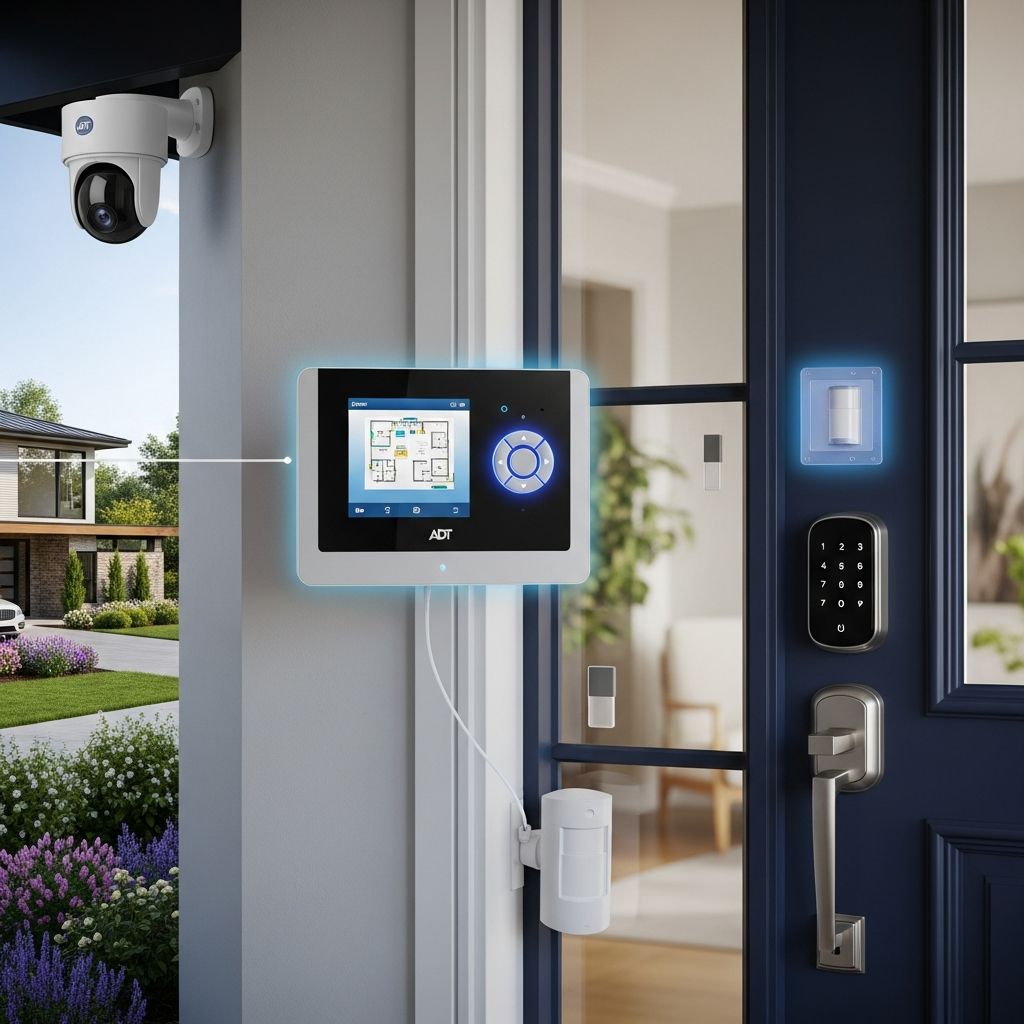
ADT stands as one of the most recognized names in home security, serving millions of households across North America with cutting-edge protection technology and professional monitoring services. Understanding how ADT works requires examining both the physical equipment that protects your home and the sophisticated monitoring infrastructure that responds to threats 24/7. This comprehensive guide breaks down each component of the ADT security ecosystem to help you understand the technology safeguarding your property.
How Does ADT Equipment Work?
ADT’s home security equipment forms the backbone of their comprehensive protection system. Each component plays a crucial role in detecting threats and communicating with monitoring centers. The integration of these devices creates a seamless security network that operates continuously to protect your home.
Control Panel: The Central Hub
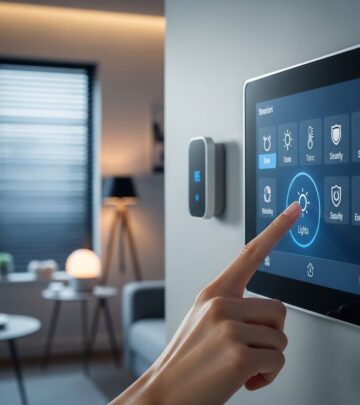
The ADT control panel serves as the central hub of your entire security system, communicating with all sensors and devices installed throughout your home. When you arm the system, the control panel monitors all connected devices and triggers an alarm if a security breach is detected. Modern ADT control panels feature touch screens and intuitive user interfaces, making it simple for homeowners to navigate system functions. The control panel displays the status of all zones in your home, allowing you to see at a glance which doors, windows, and sensors are armed or if any have been compromised. Additionally, many ADT panels include two-way communication capabilities, enabling direct contact with monitoring center personnel during emergencies.
Door and Window Sensors
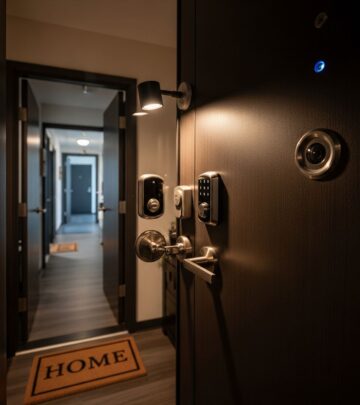
Door and window sensors represent the front line of defense against unauthorized entry. These sensors consist of two parts: one installed on the door or window itself and another on its frame. When the door or window is closed, the two parts align and create a complete circuit. If this circuit is broken—meaning the door or window has been opened—the sensor immediately sends a signal to the control panel, which can trigger an alarm. These sensors are wireless in most modern ADT systems, eliminating the need for visible wiring. The compact design makes them aesthetically pleasing while maintaining maximum security effectiveness. Premium entry sensors offered by ADT can even detect shock and vibration, alerting you if someone attempts to force entry by kicking down a door or breaking a window.
Motion Detectors: Infrared Protection
Motion detectors use advanced infrared technology to sense movement within their coverage area. When the system is armed and motion is detected, the sensor communicates with the control panel to trigger an alarm. These detectors are strategically placed in areas where an intruder is likely to pass through, such as hallways, living rooms, and basements. The infrared technology can distinguish between human movement and common household occurrences, reducing false alarms. Pet-immune motion detectors are available for homes with animals, allowing you to maintain full security protection without constant false alerts.
Security Cameras: Video Monitoring and Verification
ADT offers a comprehensive range of security cameras designed for various home security needs. The company provides indoor cameras, outdoor cameras, and video doorbells equipped with cutting-edge features. These cameras deliver high-definition video monitoring and real-time recording capabilities. Modern ADT cameras include night vision technology for clear footage in low-light conditions, two-way audio functionality allowing you to communicate with visitors or intruders, and mobile app integration for remote viewing. Video verification features enable ADT monitoring agents to view live camera feeds when an alarm is triggered, confirming whether emergency response is needed. This verification typically speeds up police response times significantly.
Environmental Sensors: Fire and Carbon Monoxide Detection
Beyond intrusion detection, ADT offers environmental sensors that detect smoke, carbon monoxide, and water leaks. Smoke detectors can alert you to fires at their earliest stages, while carbon monoxide detectors warn you about dangerous gas leaks before they become life-threatening. Water leak sensors installed near water heaters, washing machines, and under sinks can detect moisture and prevent costly water damage. These environmental sensors are just as critical to home protection as intrusion detection, addressing hazards that pose significant risks to your family’s safety and your property’s integrity.
How Does ADT Monitoring Work?
While the equipment in your home detects threats, ADT’s professional monitoring services ensure that threats receive immediate response. The company operates an extensive network of monitoring centers staffed with trained professionals available around the clock. This combination of local detection and remote response creates a comprehensive security solution.
The 24/7 Monitoring Infrastructure
ADT operates twelve fully-redundant monitoring centers strategically distributed throughout the United States and Canada. The significance of redundancy cannot be overstated—even if one center experiences a natural disaster or technical failure, ADT’s monitoring continues uninterrupted as other facilities seamlessly take over. These centers employ trained security professionals who are available 24/7, 365 days a year. Each monitoring center is equipped with state-of-the-art technology and staffed with personnel trained to handle various emergency scenarios. The redundancy and geographic distribution ensure that your home receives protection regardless of regional circumstances.
Alarm Response and Communication
When an alarm is triggered due to a break-in, fire, or another emergency, the system sends a signal to the nearest ADT monitoring center. The response time is typically within seconds, with ADT’s SMART Monitoring feature sending text-based alerts to all household members within 10 seconds of an alarm. The monitoring personnel will attempt to contact you via phone or through the control panel’s two-way communication feature. During this initial contact, the monitoring agent verifies the nature of the emergency and your response intentions. This communication window is critical in distinguishing between genuine emergencies and false alarms.
Verification and Emergency Dispatch
If the monitoring center cannot reach you or if you confirm the emergency, they immediately dispatch the appropriate emergency services to your location. This could include police for break-ins, the fire department for fire alarms, or medical responders for health emergencies. The video verification feature mentioned earlier plays a crucial role here—if ADT monitoring agents can view your camera feeds and confirm suspicious activity, they can ensure that police response is prioritized. Professional monitoring response times average around 20 seconds from alarm trigger to verification, demonstrating ADT’s commitment to rapid response.
Group Decision Making Through SMART Monitoring
ADT’s innovative SMART Monitoring feature uses text-based alerts sent to all household members within 10 seconds of an alarm. These alerts include a link to a group chat where members can collectively decide whether to send emergency help or waive off the alarm. If no action is taken within approximately 30 seconds, ADT proceeds to call the registered phone numbers to check on the situation. This collaborative approach ensures that household members can communicate about the emergency even if separated, preventing unnecessary emergency service dispatch while maintaining rapid response capability for genuine threats.
ADT System Installation and Activation
Setting up your ADT security system is a professional process designed to ensure optimal protection. ADT packages range from basic security systems covering essential entry points to advanced setups that include home automation features and comprehensive environmental monitoring. After selecting a package, ADT schedules professional installation with a certified technician. During installation, the technician sets up all equipment, ensures that everything is functioning properly, and provides comprehensive training on system operation and the ADT mobile app. Following installation, your system is activated and connected to ADT’s monitoring centers, and you receive access to the ADT app for remote management.
Key Features and Advanced Capabilities
Mobile App Control
The ADT mobile app provides comprehensive control over your security system from anywhere. Through the app, you can arm and disarm your system, view real-time camera feeds, receive alerts, and manage automation rules. The app’s accessibility ensures that you maintain control of your home’s security even when away for extended periods.
Home Automation Integration
ADT’s automation features allow you to create sophisticated rules using a trigger-action-condition model similar to IFTTT. You can set lights to turn on when motion is detected, activate cameras when doors open, or create time-based and event-based rules for trusted individuals. ADT’s strong integration with Google Nest devices expands your automation capabilities significantly.
Trusted Neighbor Feature
The Trusted Neighbor feature allows you to grant temporary access to specific individuals based on time-based or event-based rules. You can set your babysitter to access your home between specific hours, allow your parents to enter during certain conditions, or grant emergency access to neighbors in specific situations. This feature balances security with convenience and flexibility.
Video Verification
Video verification represents one of ADT’s most valuable features. When an alarm occurs, ADT monitoring agents check your camera’s live feeds to confirm whether emergency dispatch is necessary. This verification can significantly speed up police response and reduce false alarm fees.
ADT Equipment Components Comparison
| Component | Function | Key Feature |
|---|---|---|
| Control Panel | Central hub for system management | Touch screen interface, two-way communication |
| Door/Window Sensors | Detect unauthorized entry | Shock and vibration detection available |
| Motion Detectors | Sense movement in protected areas | Infrared technology, pet-immune options |
| Indoor Cameras | Monitor interior spaces | HD video, night vision, two-way audio |
| Outdoor Cameras | Protect exterior entry points | Weather-resistant, HD video, night vision |
| Video Doorbell | Monitor front entrance | HD video, two-way audio, package detection |
| Environmental Sensors | Detect fire and carbon monoxide | Early hazard detection, rapid alerts |
Frequently Asked Questions
Q: How quickly does ADT respond to alarms?
A: ADT’s professional monitoring response times average around 20 seconds from alarm trigger to verification. The SMART Monitoring feature sends text alerts within 10 seconds, and emergency dispatch typically occurs within seconds of confirmation.
Q: Can I control my ADT system remotely?
A: Yes, the ADT mobile app allows you to arm and disarm your system, view camera feeds, receive alerts, and manage automation rules from anywhere with an internet connection.
Q: What happens if my internet goes out?
A: ADT systems continue to protect your home during internet outages. Cellular backup connections ensure that your system remains connected to monitoring centers even if your primary internet connection fails.
Q: Does ADT offer video verification?
A: Yes, ADT’s Complete plan includes video verification. When an alarm is triggered, monitoring agents review camera feeds to confirm if emergency dispatch is necessary, typically speeding up police response.
Q: Can I integrate ADT with smart home devices?
A: ADT offers strong integration with Google Nest devices and supports home automation through its app, allowing you to create sophisticated automation rules for lighting, cameras, and other smart home devices.
Q: What is the Trusted Neighbor feature?
A: Trusted Neighbor allows you to grant temporary access to specific individuals based on time-based or event-based rules, such as allowing a babysitter entry during specific hours or granting emergency access to neighbors.
Q: How many monitoring centers does ADT operate?
A: ADT operates twelve fully-redundant monitoring centers distributed throughout the United States and Canada. This redundancy ensures continuous monitoring even if one facility experiences service interruptions.
Q: Are there false alarm fees with ADT?
A: While ADT works to minimize false alarms through proper system setup and training, some jurisdictions charge false alarm fees. Video verification can help reduce unnecessary dispatch and associated fees.
References
- How Does ADT Work? — Money.com. 2025. https://money.com/how-does-adt-work/
- ADT Home Security Review 2025 — Security.org. 2025. https://www.security.org/home-security-systems/adt/review/
- FBI Crime Data: Burglary Statistics — Federal Bureau of Investigation. 2019. Based on the last comprehensive data showing more than half of reported U.S. burglaries involve forcible entry.
Similar Articles








Read full bio of medha deb