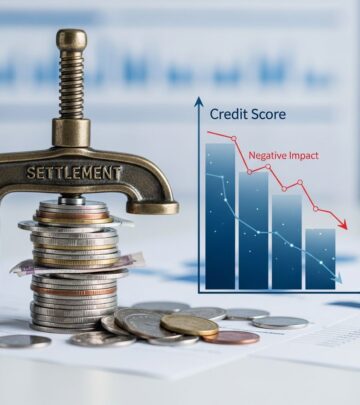
How Debt Settlement Can Make Your Debt Worse
Understanding why debt settlement strategies often backfire and worsen financial situations.

Debt settlement is often marketed as a quick fix for overwhelming debt. Companies promise to negotiate with your creditors to reduce what you owe, sometimes by 50% or more. However, the reality of debt settlement is far more complicated than the glossy marketing suggests. Rather than solving your financial problems, debt settlement can actually make your situation significantly worse, leaving you with more debt, a damaged credit score, and fewer options for financial recovery.
Understanding how debt settlement works and its potential pitfalls is essential before considering this debt relief option. Many people turn to debt settlement as a last resort, but what they discover too late is that this approach often creates more problems than it solves. By exploring the risks and complications associated with debt settlement, you can make a more informed decision about your financial future.
The Credit Score Damage is Severe and Long-Lasting
One of the most significant ways debt settlement makes your debt situation worse is through the damage it inflicts on your credit score. The fundamental mechanism of debt settlement requires you to stop making payments on your enrolled debts while you accumulate funds to make a lump-sum settlement offer. This deliberate non-payment strategy devastates your creditworthiness.
When you miss payments, creditors report these delinquencies to credit bureaus. Late payments remain on your credit report for up to seven years, continuously damaging your credit score during that entire period. This isn’t a minor blemish 945the longer your debt goes unpaid, the more severely it affects your credit. Since the debt settlement process can take up to 36 months or longer, you could wind up with serious and lasting damage to your credit score that extends well beyond the settlement period.
Additionally, when you finally settle for less than the full amount owed 945typically 50% to 80% of your original debt 94your credit report specifically notes this compromise settlement. Settled accounts are considered negative entries because they indicate the lender took a financial loss. This notation further damages your credit score and signals to future lenders that you didn’t fulfill your original obligation.
The credit damage compounds future financial challenges. A lower credit score means higher interest rates on mortgages, car loans, and credit cards. You may even be denied credit altogether or face difficulty securing housing, as landlords often check credit scores during tenant screening.
Fees Can Make You Owe Nearly as Much as Before
Perhaps the cruelest irony of debt settlement is that the fees charged by settlement companies can nearly erase any savings you achieve. Debt settlement companies typically charge 15% to 25% of the amount settled. This means that even though you’ve negotiated to pay less than your original debt, you still owe a substantial chunk of change to the debt settlement company itself.
Consider this scenario: You owe $50,000 in debt. A settlement company negotiates your debts down to $25,000. Sounds great, right? But the company then collects 15-25% of that $25,000 settlement amount 94between $3,750 and $6,250 94as their fee. Suddenly, your “savings” shrinks considerably. Analysis of debt settlement contracts has revealed that in some instances, borrowers may end up paying nearly as much or more money through a debt settlement company than is owed to the actual lender.
Debt settlement companies may also charge additional fees for administering the savings account used to accumulate your settlement amount. These hidden costs further erode the financial benefits you hoped to achieve. Many people discover too late that the advertised debt reduction is significantly less impressive once all fees are factored in.
Your Debt Can Actually Grow Instead of Shrink
One of the most counterintuitive and damaging aspects of debt settlement is that your total debt can actually increase during the negotiation process. When you stop making payments, creditors don’t pause the accumulation of fees and interest. Late fees continue to accrue, and interest keeps compounding on your outstanding balance.
The debt settlement negotiation process is notoriously slow, often taking 2-3 years or longer. During this extended period, these late fees and interest charges keep mounting. You might have stopped paying to save money for a settlement offer, but instead, you’re watching your debt grow with each passing month. The goal of reaching your settlement target becomes increasingly difficult as the balance expands.
This creates a frustrating paradox: you’re sacrificing your credit and your current financial situation in hopes of eventually reducing your debt, but the debt itself is growing larger due to accumulated fees and interest. Many debtors find themselves further behind financially than when they started the settlement process.
Tax Implications Can Create Unexpected Bills
Another major way debt settlement makes your financial situation worse involves tax consequences that many people don’t anticipate. When a creditor forgives part of your balance through debt settlement, the IRS may consider that forgiven amount as taxable income.
For example, if you settle a $50,000 debt for $25,000, the creditor may issue you a 1099-C form reporting the $25,000 as forgiven debt. The IRS treats this forgiven debt as income, meaning you could owe federal income taxes on that amount. Depending on your tax bracket, this could result in a significant tax bill 94potentially thousands of dollars.
This tax liability can be particularly devastating because many people negotiate settlements specifically because they lack financial resources. Now, after struggling through years of the settlement process with a damaged credit score, they face an unexpected and potentially substantial tax bill. Some individuals may qualify for exclusions from this taxable income, which is why consulting a tax professional is important, but there’s no guarantee you’ll qualify.
Creditors Aren’t Obligated to Negotiate or Accept Offers
Perhaps the most fundamental flaw with debt settlement is that it offers no guarantee of success. Creditors are not required to negotiate with debt settlement companies or accept settlement offers, regardless of how reasonable they might be. Some creditors simply refuse to work with settlement companies altogether.
This means you could endure years of damaged credit, accumulated fees, growing debt, and financial stress only to have creditors reject your settlement offers. In these cases, you’re left with the worst of all worlds: the credit damage and fee costs of the settlement process without any of the supposed debt reduction benefits.
Even when some creditors do negotiate, not all of your debts may be resolved. You might successfully settle with one creditor only to have others refuse negotiation, leaving you planning to pay many creditors back in full. This partial success still leaves you with ongoing debt obligations while you’ve already incurred significant damage to your credit and paid settlement company fees.
Debt Collection and Legal Action Continue
While you’re patiently waiting for debt settlement negotiations to conclude, creditors and debt collectors can continue their pursuit efforts. They can make collection calls and may even initiate lawsuits against you. The debt settlement process provides no legal protection against collection actions or potential wage garnishments.
This means that in addition to the damage to your credit score, the accumulation of late fees and interest, and the payment of settlement company fees, you could also face the stress and expense of defending against lawsuits or dealing with wage garnishments. The combination of all these pressures simultaneously creates a financially and emotionally devastating situation.
Certain Debts Cannot Be Settled
Debt settlement also doesn’t work for many types of debt. Most of your debt is secured 94such as mortgages and auto loans tied to property 94these usually can’t be settled through debt settlement programs. Similarly, tax balances, federal student loans, and court-ordered payments like child support are generally not eligible for settlement.
For individuals whose primary debt consists of non-settleable obligations, a debt settlement program may provide no benefit at all while still damaging their credit and costing them fees. This is particularly problematic for people with significant student loan debt or tax debt, as these represent some of the most difficult debts to discharge through any relief program.
The Risk of Scams and Unethical Companies
Beyond the inherent risks of legitimate debt settlement, you also face the danger of scams and unethical companies. Some debt settlement companies make unrealistic promises 94such as “pennies on the dollar” savings or guaranteed results 94that are misleading or impossible to deliver. These companies often target financially vulnerable people who are desperate for relief.
Red flags for debt settlement scams include:
- Large upfront fees, which are legally prohibited before settlement is achieved
- Contact via robocalls or aggressive sales tactics
- Promises to remove negative but accurate information from credit reports
- Vague explanations of how the process works or what results you can expect
The Consumer Financial Protection Bureau warns against working with companies that make specific promises about debt reduction amounts. If a company asks for upfront payment, that’s an immediate red flag, as legitimate debt settlement companies collect fees only after successful settlements.
Many people seeking debt relief are already financially stressed and emotionally vulnerable. Scam companies exploit this vulnerability, taking money without delivering results and leaving victims worse off than before they sought help.
When Debt Settlement Isn’t Appropriate
Debt settlement may not be the right option for many people. You should reconsider debt settlement if:
- You can keep up with payments: If you’re able to pay your debts on time and in full, debt settlement could cause more credit damage than benefit
- Most of your debt is secured: Mortgages, auto loans, and other property-tied debts typically cannot be settled
- Your debts are excluded: Tax debts, federal student loans, or court-ordered payments are generally not eligible for settlement
For individuals in these situations, exploring alternative debt management strategies would likely produce better outcomes than pursuing debt settlement.
The Long-Term Reality of Debt Settlement
Even when debt settlement does succeed, the long-term results are often disappointing. You’re left with the credit damage lasting seven years, potential tax liability, and minimal actual debt reduction after fees are considered. The National Foundation for Credit Counseling notes that debt settlement has a low success rate, and even successful settlements come at significant cost in fees and increased tax liability.
Debt settlement is not a quick path to financial freedom. It’s a long, difficult process with serious obstacles and negative impacts to your credit score, combined with the potential for lawsuits and garnishments. Even after overcoming these hurdles, you may find yourself still owing substantial amounts to creditors who refused to negotiate.
Better Alternatives to Consider
Before pursuing debt settlement, consider these alternatives:
- Credit counseling: Non-profit credit counseling agencies can help you develop a budget and negotiate with creditors without the high fees of settlement companies
- Debt consolidation: Consolidating multiple debts into a single loan with a lower interest rate can reduce your monthly payments without damaging your credit as severely
- Bankruptcy: While also serious, bankruptcy offers legal protection and a structured path to debt relief, sometimes resulting in better outcomes than settlement
- Direct negotiation: Contacting creditors directly to negotiate payment plans or reduced interest rates often works better than using intermediary companies
Frequently Asked Questions
Q: How long does the debt settlement process take?
A: Debt settlement typically takes 2-3 years or longer to complete, during which your credit score continues to suffer and debts accumulate additional fees and interest.
Q: Will debt settlement remove negative items from my credit report?
A: No. Debt settlement companies that promise to remove negative but accurate information from your credit report are operating illegally. Negative items typically remain for seven years.
Q: What happens if creditors refuse to negotiate?
A: If creditors refuse settlement offers, you’ve still incurred credit damage, fees, and accumulated debt during the process with no debt reduction benefit.
Q: Can I settle federal student loans or tax debt?
A: Generally, no. Federal student loans, tax debts, and court-ordered payments like child support are not eligible for debt settlement programs.
Q: How much will debt settlement companies charge me?
A: Debt settlement companies typically charge 15% to 25% of the amount settled, plus possible fees for account administration.
Q: What if I can’t afford the settlement amount after negotiations conclude?
A: If you can’t pay the agreed settlement amount, you’re back to the original debt, but now with a severely damaged credit score and settlement company fees to pay.
References
- 6 Risks of Debt Settlement — Experian. 2025. https://www.experian.com/blogs/ask-experian/debt-settlement-risks/
- Understanding the Risks of Debt Settlement — National Debt Relief. 2025. https://www.nationaldebtrelief.com/blog/debt-guide/debt-relief/understanding-the-risks-of-debt-settlement/
- The Dangers of Trusting a Debt Settlement Company — OneMain Financial. 2025. https://www.onemainfinancial.com/resources/money-management/the-dangers-of-trusting-a-debt-settlement-company
- Debt Settlement: Pros and Cons — Intuit Credit Karma. 2025. https://www.creditkarma.com/debt/i/debt-settlement
- Is Debt Settlement A Good Idea For Your Finances? — Bankrate. 2025. https://www.bankrate.com/personal-finance/debt/is-debt-settlement-good-idea/
- Debt Settlement Pros and Cons — InCharge. 2025. https://www.incharge.org/debt-relief/debt-settlement/debt-settlement-pros-cons/
- What Is Debt Settlement? Complete Guide & Pros and Cons — Upsolve. 2025. https://upsolve.org/learn/debt-settlement/
Similar Articles








Read full bio of Sneha Tete