How Credit Works: A Beginner-Friendly Guide
Understand how credit works so you can borrow wisely, avoid debt traps, and build a strong financial future.
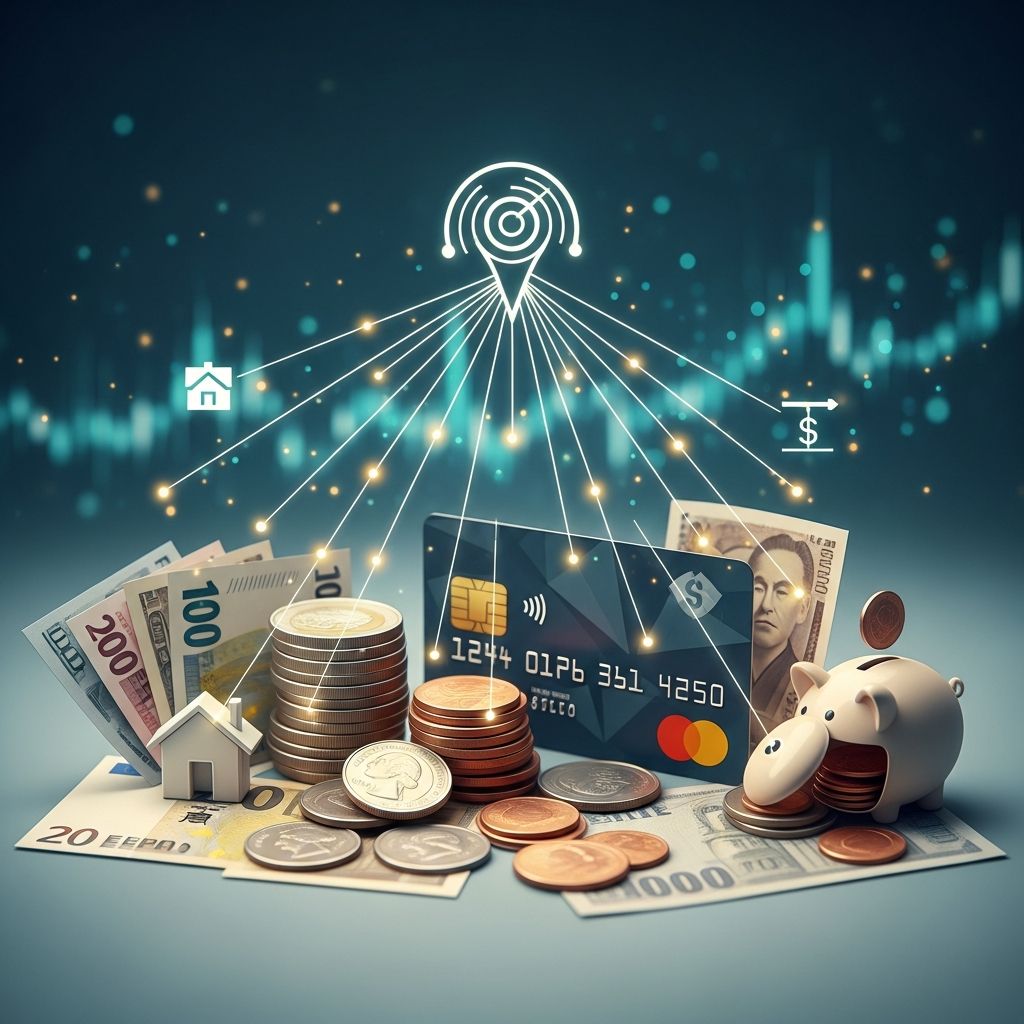
Credit touches almost every part of your money life, from renting an apartment to getting a car loan, mortgage, or even some jobs. Understanding how credit works puts you in control, helps you access better financial opportunities, and protects you from costly debt.
This guide breaks down what credit is, how it works, the different types of credit, how credit scores are calculated, and practical ways to build and manage your credit with confidence.
What Is Credit?
At its core, credit is an agreement where a lender gives you money, goods, or services now, and you promise to repay later, usually with interest. According to the U.S. Consumer Financial Protection Bureau (CFPB), credit allows you to buy things today that you pay for over time, but it also creates an obligation to repay under specific terms.
Instead of paying in cash immediately, you are borrowing from a bank, credit union, credit card issuer, or other lender. The lender evaluates how risky it is to lend to you based on your past borrowing behavior and financial information.
How Credit Works in Practice
- You apply for credit (credit card, auto loan, student loan, etc.).
- The lender reviews your information, including your credit report and credit score.
- If approved, you receive a credit limit (for revolving credit) or a specific loan amount (for installment credit).
- You borrow and then make payments over time, following the terms in your agreement.
- Your payment history and usage are reported to the major credit bureaus, which affects your credit score.
Why Credit Matters
Credit is more than just borrowing money. It creates a credit history that can either open doors or make life more expensive. The Federal Reserve notes that consumers with stronger credit profiles generally qualify for lower interest rates on loans, saving significant money over time.
How Good Credit Helps You
- Lower interest rates: Good credit often qualifies you for better rates on mortgages, auto loans, and personal loans.
- Better approval odds: Landlords, lenders, and some employers may check your credit.
- Higher credit limits: Strong credit can lead to higher limits and more flexibility.
- Lower insurance costs in some areas: In certain states, insurers may use credit-based insurance scores to help set premiums.
How Bad Credit Hurts You
- Higher interest rates and fees.
- Loan or credit card applications denied.
- Larger security deposits for apartments or utilities.
- Difficulty refinancing debt to better terms.
The Main Types of Credit
Not all credit works the same way. Most consumer credit falls into three main categories.
Revolving Credit (e.g., Credit Cards)
Revolving credit lets you borrow up to a set limit, repay, and borrow again. The most common example is a credit card. The CFPB describes credit cards as a form of open-end credit, meaning the account can stay open indefinitely as long as you meet the terms.
- You have a credit limit (for example, $3,000).
- You can carry a revolving balance from month to month.
- If you do not pay the full statement balance by the due date, you pay interest.
Installment Credit (e.g., Loans)
Installment credit is a loan with a fixed amount, fixed payments, and a set payoff date. Common examples include:
- Auto loans
- Personal loans
- Student loans
- Mortgages
You borrow a lump sum and repay it over a schedule, usually monthly, until the loan is paid off.
Other Types of Credit
- Retail/store credit cards: Cards issued by specific retailers, often with higher interest rates.
- Lines of credit: Similar to revolving credit but may be secured (e.g., home equity line of credit).
- Service credit: Agreements with utility, phone, and internet companies; late payments may be reported to credit bureaus.
Key Credit Terms You Need to Know
Understanding the language of credit helps you avoid costly mistakes. Here are the most important terms.
| Term | What It Means |
|---|---|
| Credit limit | The maximum amount you can borrow on a revolving account like a credit card. |
| Balance | The amount you currently owe to the lender. |
| APR (Annual Percentage Rate) | The yearly cost of borrowing, including interest and certain fees, expressed as a percentage. |
| Interest | The cost you pay to borrow money, usually charged as a percentage of your balance. |
| Minimum payment | The smallest amount you must pay by the due date to keep your account in good standing. |
| Grace period | The period during which you can pay your balance in full and avoid interest on new purchases (if your issuer offers one). |
| Fees | Extra charges such as annual fees, late payment fees, or balance transfer fees. |
How Credit Scores Work
Your credit score is a three-digit number that summarizes how risky lenders believe you are as a borrower. Most widely used scores in the U.S. range from 300 to 850, with higher scores indicating lower risk.
Main Factors That Affect Your Credit Score
While scoring models vary, FICO, one of the most commonly used scoring systems, highlights these key factors:
- Payment history (about 35%): Whether you pay your bills on time.
- Amounts owed / credit utilization (about 30%): How much of your available revolving credit you are using.
- Length of credit history (about 15%): How long your accounts have been open.
- New credit (about 10%): Recent credit inquiries and newly opened accounts.
- Credit mix (about 10%): Variety of credit types (credit cards, loans, mortgage, etc.).
What Is Credit Utilization?
Credit utilization is the percentage of your available revolving credit that you are using. For example, if you have a total credit limit of $5,000 and balances of $1,000, your utilization is 20%. The CFPB and other experts often recommend keeping this under 30%, and lower is typically better for your score.
Credit Reports: The Foundation of Your Score
Your credit score is based on information in your credit reports. These reports are maintained by the three major credit bureaus in the U.S.: Equifax, Experian, and TransUnion. They contain details about your borrowing and repayment history.
What’s in a Credit Report?
- Identifying information (name, address, Social Security number).
- Credit accounts (credit cards, loans, credit limits, balances, and payment history).
- Public records and collections (bankruptcies, liens, past-due accounts sent to collections, if applicable).
- Credit inquiries (when you apply for credit).
Under U.S. law, you can access free credit reports from each major bureau through the authorized website AnnualCreditReport.com. Regularly checking your reports helps you spot errors and signs of identity theft early.
How Credit Cards Work Specifically
Credit cards are one of the most common ways people first interact with credit. Used wisely, they can help you build a strong credit history; used carelessly, they can lead to expensive debt.
The Basics of Using a Credit Card
- You are given a credit limit—the maximum you can charge on the card.
- You make purchases throughout the month.
- Your issuer sends a statement with your balance, minimum payment, and due date.
- If you pay your statement balance in full by the due date and have a grace period, you typically avoid interest on new purchases.
- If you pay less than the full balance, the remaining amount accrues interest at your card’s APR.
Common Credit Card Fees and Costs
- Interest charges on carried balances.
- Late payment fees if you miss the due date.
- Annual fees on some cards.
- Cash advance fees and higher interest rates if you withdraw cash.
- Foreign transaction fees for purchases in another currency on some cards.
How to Build Credit from Scratch
If you are new to credit, you may not have a score yet. You can still build a positive credit history over time with the right strategies.
Beginner-Friendly Ways to Start Building Credit
- Apply for a secured credit card: You provide a cash deposit (for example, $300), which often becomes your credit limit. Using the card responsibly and paying on time helps build your history.
- Become an authorized user: A trusted family member or partner can add you to their existing card. If the issuer reports authorized-user activity, their good payment history may help your score.
- Use a credit-builder loan: Some banks and credit unions offer small loans where the funds are held in a savings account until you finish paying, helping you build a track record of on-time payments.
Habits That Help You Build Strong Credit
- Always pay on or before the due date.
- Keep credit utilization low, ideally under 30% of total limits.
- Avoid applying for many new accounts in a short period.
- Keep older accounts open when possible to lengthen your credit history.
Healthy Credit Habits to Protect Your Score
Once you have credit, you need systems and habits that protect it.
Pay On Time, Every Time
Payment history is the single most important factor in your credit score. Even one payment that is 30 days late can significantly damage your score and may stay on your report for years.
- Set up automatic payments for at least the minimum amount due.
- Use calendar reminders or budgeting apps to track due dates.
- Contact your lender immediately if you expect trouble making a payment; some may offer hardship options.
Manage Your Credit Utilization
- Aim to keep each card’s balance—and your total card balances—below 30% of available credit.
- Consider making multiple payments throughout the month to lower reported balances.
- As your finances allow, pay your statement balance in full to avoid interest.
Limit New Applications
Every time you apply for most forms of credit, the lender may make a hard inquiry, which can temporarily lower your score slightly. Applying only when necessary helps protect your score.
Monitor Your Credit Regularly
- Review your credit reports at least once a year for errors or signs of identity theft.
- Dispute inaccurate information with the credit bureaus in writing.
- Consider credit monitoring services or alerts from your bank or card issuer.
Common Credit Mistakes to Avoid
Knowing what to avoid is just as important as knowing what to do.
- Making only minimum payments for long periods: This can keep you in debt for years and cost you hundreds or thousands in interest.
- Maxing out your credit cards: High utilization hurts your score and leaves little room for emergencies.
- Ignoring your statements: You might miss fraudulent charges, errors, or due dates.
- Closing old accounts without a plan: This can reduce your total available credit and shorten your average account age, potentially lowering your score.
- Co-signing without understanding the risk: If the other person misses payments, your credit can be harmed, and you may be responsible for the debt.
Using Credit Strategically in Your Financial Plan
Credit is a tool. When you understand how it works and use it strategically, it can support your long-term goals instead of holding you back.
Align Credit Use With Your Goals
- If you plan to buy a home, focus on paying bills on time and paying down high-interest revolving debt.
- If you are paying off debt, consider strategies like the debt avalanche or snowball method to organize your payoff plan.
- If you use rewards credit cards, prioritize paying the balance in full to avoid interest that can easily outweigh any perks.
When to Avoid Taking On More Credit
- When your budget is already tight and you are struggling to make existing payments.
- When you are tempted to use credit for nonessential purchases just to earn rewards.
- When a loan or card offer has an extremely high APR or fees that make repayment unrealistic.
Frequently Asked Questions (FAQs)
Q: Do I need a credit card to build credit?
A: No, but credit cards are a common tool. You can also build credit through credit-builder loans, certain student loans, or being an authorized user on someone else’s card, as long as lenders report these accounts to the credit bureaus.
Q: How long does it take to build a good credit score?
A: It usually takes several months of responsible use to generate a score and years of consistent on-time payments and low utilization to build a strong credit profile. There is no fixed timeline, but steady positive habits generally lead to improvements over time.
Q: Will checking my own credit score hurt my credit?
A: No. Checking your own credit report or score is considered a “soft” inquiry and does not affect your credit score. Only most “hard” inquiries from lenders when you apply for credit can have a small, temporary impact.
Q: What should I do if I find an error on my credit report?
A: Collect documentation, then file a dispute with the credit bureau that reports the error. You can submit disputes online, by mail, or by phone, but written disputes with copies (not originals) of supporting documents are often recommended. The bureau generally must investigate and respond within a set timeframe.
Q: Is it better to close a credit card I’m not using?
A: Not always. Closing a card can reduce your total available credit and shorten your credit history, which may lower your score. If the card has no annual fee and you can manage it responsibly, keeping it open may benefit your credit profile.
References
- Credit cards and other revolving credit — Consumer Financial Protection Bureau (CFPB). 2022-05-10. https://www.consumerfinance.gov/ask-cfpb/what-is-a-credit-card-en-15/
- Report on the Economic Well-Being of U.S. Households — Board of Governors of the Federal Reserve System. 2023-05-22. https://www.federalreserve.gov/publications/2023-economic-well-being-of-us-households-in-2022-dealing-with-unexpected-expenses.htm
- Insurance-Based Credit Scores — National Association of Insurance Commissioners (NAIC). 2022-08-01. https://content.naic.org/cipr-topics/credit-based-insurance-scores
- What is APR? — Consumer Financial Protection Bureau (CFPB). 2023-02-01. https://www.consumerfinance.gov/ask-cfpb/what-is-the-apr-on-a-credit-card-en-45/
- What’s in my credit score? — FICO. 2022-11-01. https://www.myfico.com/credit-education/whats-in-your-credit-score
- Free Credit Reports — Federal Trade Commission (FTC). 2023-09-07. https://www.consumer.ftc.gov/articles/free-credit-reports
Similar Articles








Read full bio of medha deb