How Banks Probe Credit Card Fraud Cases
Discover the step-by-step methods banks use to detect, investigate, and resolve credit card fraud, safeguarding your finances effectively.
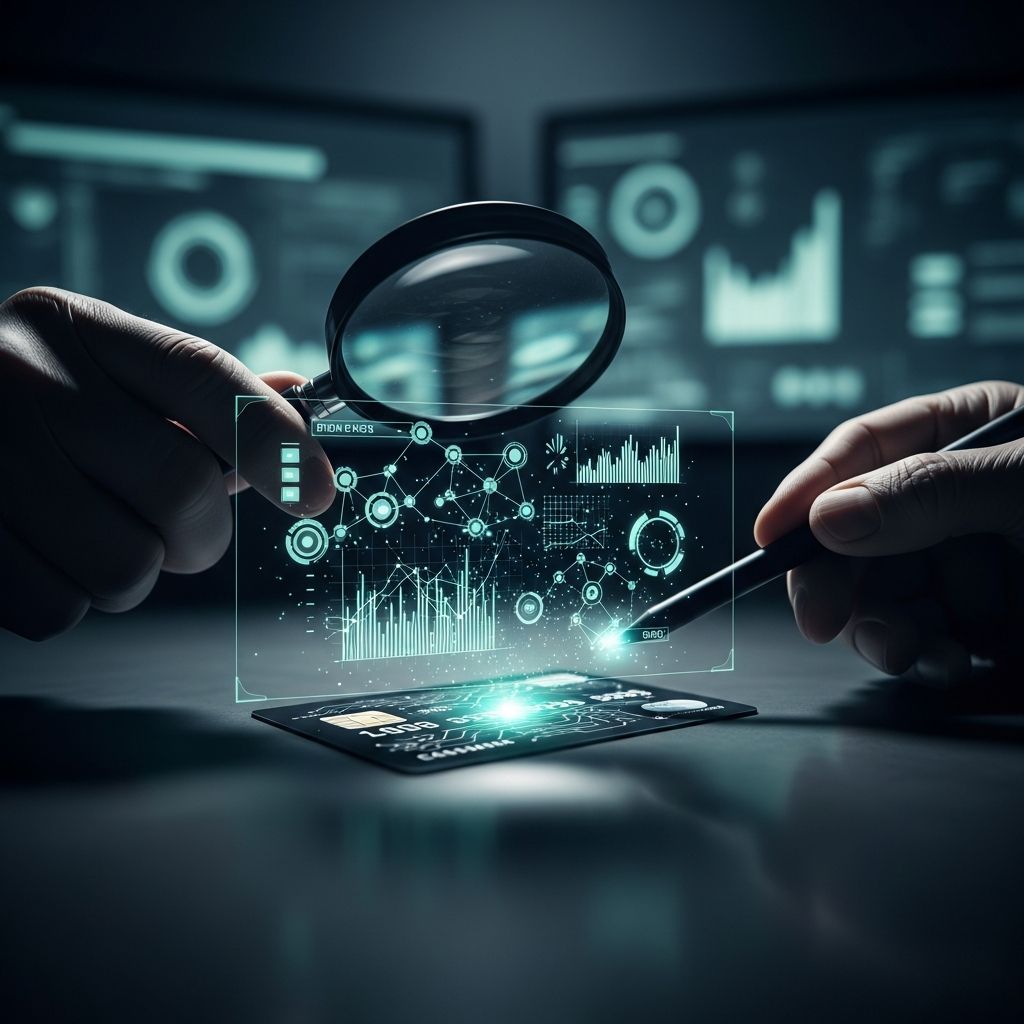
Credit card fraud affects millions annually, but banks have developed sophisticated systems to detect and investigate suspicious activities. When unauthorized charges appear on statements, issuers launch structured inquiries to determine legitimacy, protect consumers, and minimize losses. This process combines technology, human expertise, and legal protocols to resolve cases efficiently.
Triggers That Launch a Fraud Inquiry
Fraud investigations typically begin with an alert from automated monitoring or a customer report. Banks use algorithms to scan for anomalies like unusual spending patterns, rapid transactions, or purchases from unfamiliar locations. For instance, a sudden high-value buy in a foreign country can flag an account instantly.
- Customer Reports: Cardholders spotting unrecognized charges contact issuers immediately, prompting a hold on the account.
- Automated Flags: AI-driven tools analyze velocity of transactions, geolocation mismatches, and behavioral shifts.
- Merchant Alerts: Retailers may notify banks of high-risk sales based on card data.
Upon detection, banks often issue provisional credits within hours to restore consumer confidence while probing deeper. Federal regulations, such as those from the Fair Credit Billing Act, mandate timely responses, usually within 30 days for acknowledgment.
Core Phases of the Investigation Workflow
Banks follow a multi-tiered approach tailored to fraud scale. Low-value disputes may resolve via automation, while larger ones involve forensic teams.
| Tier | Amount Range | Process Type | Timeline |
|---|---|---|---|
| Tier 1 | $0-$500 | Automated review | 24-48 hours |
| Tier 2 | $500-$5,000 | Human-assisted analysis | 3-10 days |
| Tier 3 | $5,000+ | Full forensic probe | 10-90 days |
Phase one involves freezing the account and gathering initial data. Investigators then cross-reference transaction details against historical patterns.
Evidence Collection and Analysis
Key to any probe is compiling verifiable data. Banks pull from multiple sources to build a case profile.
- Transaction Logs: Timestamps, amounts, and merchant info reveal patterns like clustered high-risk buys.
- Digital Footprints: IP addresses, device IDs, and geolocation pinpoint fraud origins.
- Behavioral Metrics: Typing patterns, mouse movements, and purchase history confirm user authenticity.
- Card Details: CVV matches, AVS compliance, and EMV chip data for in-person vs. online fraud.
Merchants contribute by providing order insights, delivery records, or communication logs, which can sway outcomes. Tools like Verifi and Ethoca accelerate this by sharing real-time alerts across networks.
Technology Powering Modern Fraud Detection
Advanced tech underpins these efforts. Machine learning models score transactions in real-time, flagging deviations from norms. Behavioral biometrics, for example, track subtle user habits invisible to traditional checks.
Geofencing compares purchase locations with cardholder history, while velocity checks monitor transaction frequency. Network routing analysis detects VPNs or proxies masking true origins. These layers reduce false positives, ensuring legitimate users aren’t disrupted.
Collaboration with External Partners
Banks rarely operate in isolation. Credit bureaus like Equifax, Experian, and TransUnion supply broader financial snapshots, aiding identity theft detection. For organized crime, referrals go to the FBI if patterns span jurisdictions.
Card networks (Visa, Mastercard) set guidelines but delegate most disputes to issuers. Only 2% escalate to arbitration. Merchants face inquiries too, with response speed critical to avoiding chargebacks.
Timelines and Consumer Rights in Disputes
Issuers must acknowledge disputes within 30 days and resolve within 90, per FTC rules. Provisional refunds bridge gaps, but final decisions hinge on evidence strength.
- Day 0-1: Account freeze and temporary credit issuance.
- Day 1-3: Data aggregation and cardholder verification.
- Day 3-10: Pattern matching against fraud databases.
- Day 10+: Liability determination and enforcement action.
If fraud is confirmed, banks guide users to freeze credit files, preventing further harm. Victims file FTC reports at IdentityTheft.gov for recovery plans.
Outcomes and Resolutions
Decisions fall into rejection (if evidence supports legitimacy) or chargeback (favoring the cardholder). Banks may pursue merchants for reimbursement or escalate to law enforcement.
Post-resolution, enhanced monitoring activates on accounts. Cardholders receive new cards and alerts on best practices, like multi-factor authentication.
How Cardholders Can Aid Investigations
Swift reporting maximizes success. Provide police reports, merchant confirmations, or travel itineraries promptly. Avoid using disputed cards and monitor all accounts closely.
Proactive steps include enabling alerts, using virtual numbers, and reviewing statements weekly. Credit freezes block unauthorized inquiries.
Frequently Asked Questions
What starts a credit card fraud investigation?
Investigations trigger from customer disputes, automated flags, or merchant notifications, leading to immediate account reviews.
How long does a fraud probe take?
Simple cases resolve in days; complex ones up to 90 days, with provisional credits issued early.
What evidence do banks prioritize?
IP data, transaction patterns, device fingerprints, and behavioral analytics form the core, supplemented by merchant input.
Do banks contact police for fraud?
Yes, for significant or patterned fraud, involving FBI if interstate.
Can I get my money back quickly?
Provisional refunds often appear within 24 hours during investigation.
Preventing Fraud Before It Happens
Empower yourself with habits like strong PINs, alert subscriptions, and secure networks. Tools like tokenization replace card details in apps, thwarting data breaches.
Education on phishing and skimming keeps risks low. Banks invest billions yearly in defenses, but vigilance remains key.
References
- How do Banks Conduct Credit Card Fraud Investigations? — Chargebacks911. 2023. https://chargebacks911.com/credit-card-fraud-investigation/
- Credit Card Fraud Investigation — PayCompass. 2024. https://paycompass.com/blog/credit-card-fraud-investigation/
- How Credit Card Frauds Are Investigated and Caught — SoFi. 2024. https://www.sofi.com/learn/content/how-credit-card-frauds-are-caught/
- Fraud Investigation: Standard Length, Process, & How to Draw Insights — Unit21. 2024. https://www.unit21.ai/trust-safety-dictionary/fraud-investigation
- How Do Banks Investigate Unauthorized Transactions? — Medius. 2023. https://www.medius.com/blog/how-do-banks-investigate-unauthorized-transactions/
- Credit Card Fraud Victim: Steps to Take for Protection and Recovery — HFSFCU. 2024. https://hfsfcu.org/education/credit-card-fraud-victim/
- Credit Card and Debit Card Fraud — OCC.gov (U.S. Office of the Comptroller of the Currency). 2025-03-15. https://www.occ.gov/topics/consumers-and-communities/consumer-protection/fraud-resources/credit-card-and-debit-card-fraud.html
Similar Articles








Read full bio of Sneha Tete