House Vs Apartment: 5 Steps To Choose Your Best Home
Explore the essential differences between purchasing a house or apartment to make an informed real estate decision tailored to your lifestyle.
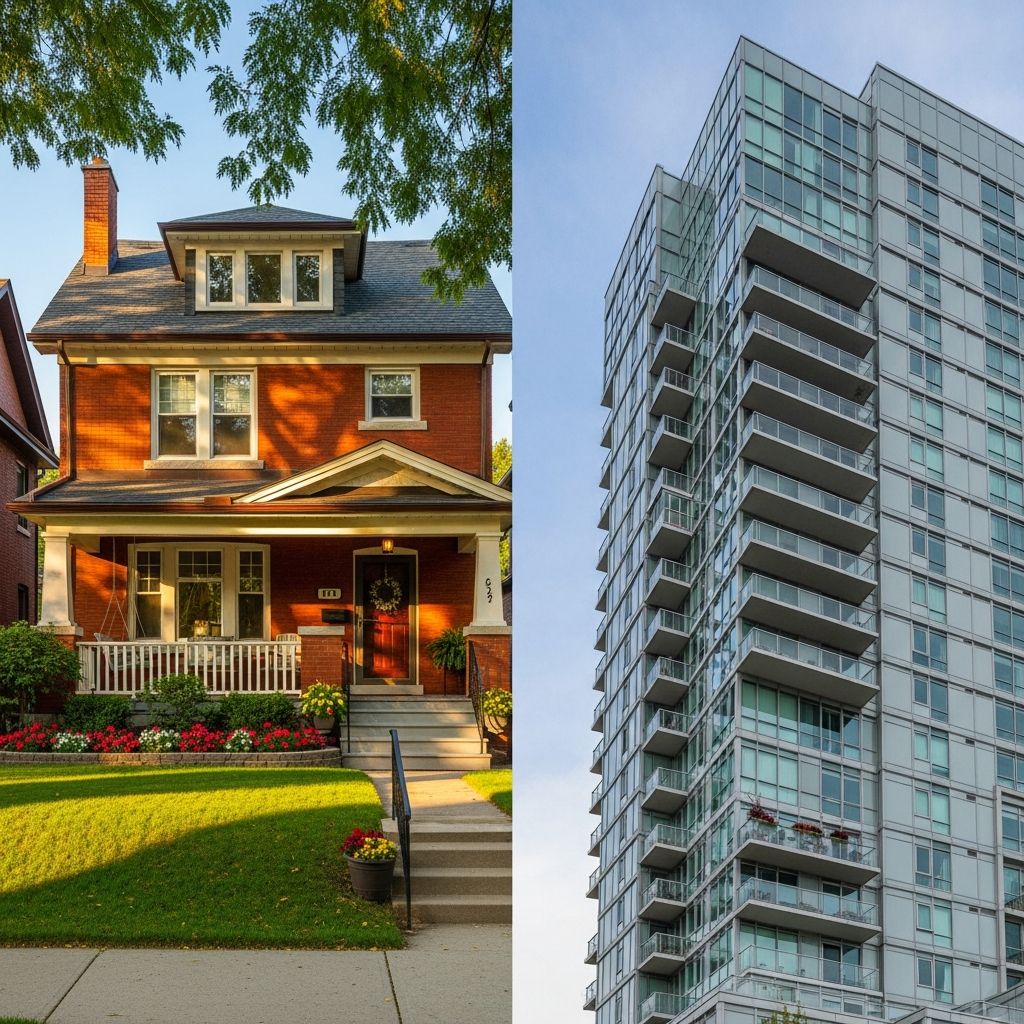
Deciding between buying a house or an apartment involves evaluating lifestyle needs, financial readiness, and long-term goals. Houses typically provide expansive living areas and ownership freedom, while apartments offer affordability and shared conveniences in compact settings.
Understanding Ownership Basics
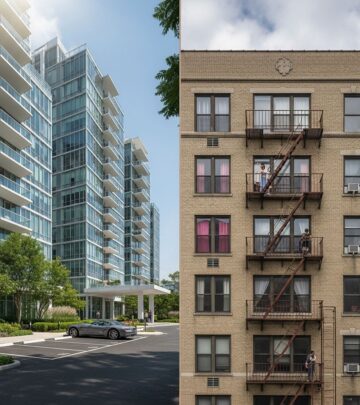
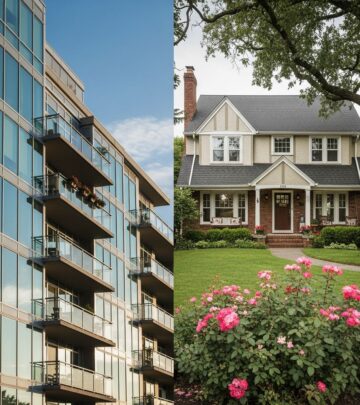
Property ownership differs fundamentally between houses and apartments. A house is usually a standalone structure where you own the land and building outright, granting full control over modifications and usage. Apartments, often part of condominium complexes, mean owning a unit within a larger building, sharing common areas like hallways, pools, or gyms with other owners. This shared model involves homeowners associations (HOAs) that enforce rules and manage collective upkeep.
Buyers must consider these structures early. Standalone houses appeal to those seeking independence, whereas apartment ownership suits individuals prioritizing community amenities without solo maintenance burdens.
Financial Factors in Purchasing
Upfront and ongoing costs vary significantly. Houses demand higher initial investments due to larger sizes and land value, with median prices often exceeding apartment units by substantial margins in urban and suburban markets. Apartments, being smaller, generally carry lower purchase prices, making them accessible for first-time buyers.
| Aspect | House | Apartment |
|---|---|---|
| Purchase Price | Higher (e.g., land + structure) | Lower (unit only) |
| Mortgage Rates | Standard rates | Potentially lower due to smaller loans |
| Property Taxes | Higher on larger plots | Lower per unit |
| Insurance | Comprehensive homeowner policy | HOA covers exterior; personal for interior |
Monthly expenses for houses include elevated utility bills from bigger spaces and personal yard care, contrasting with apartments’ shared utility efficiencies and HOA fees covering exterior maintenance. Long-term, houses build equity through land appreciation, potentially outpacing apartment value growth tied to building condition.
Living Space and Layout Comparisons
Houses excel in square footage, often featuring multiple bedrooms, dedicated offices, and expansive kitchens ideal for families or remote workers. Outdoor features like yards enable gardening, play areas, or entertaining guests comfortably.
- Interior roominess: Extra bathrooms, basements, or attics for storage and hobbies.
- Outdoor access: Private patios, driveways, and fences for pets or children.
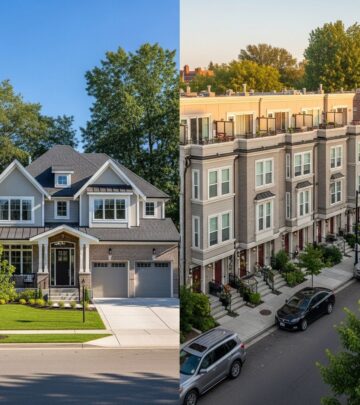
Apartments prioritize efficient designs with open-plan layouts maximizing limited space. High-rise units offer balconies with city views, but lack ground-level yards. Multi-level townhouse-style apartments bridge the gap, providing some yard access.
Privacy and Neighborhood Dynamics
Privacy stands out as a house advantage. Detached structures with yards create buffers from neighbors, minimizing noise and enhancing seclusion. Fences and landscaping further personalize boundaries.
Apartment dwellers share walls, floors, and ceilings, potentially leading to disturbances from adjacent units. However, secure buildings with keycard entries, cameras, and on-site staff boost safety perceptions, especially in urban settings. Gated communities add reassurance for families.
Maintenance and Upkeep Responsibilities
Homeowners of houses shoulder all repairs, from roof leaks to plumbing issues, often requiring budgets for unexpected costs. Seasonal tasks like snow removal or gutter cleaning add time commitments.
Apartment owners benefit from HOA-managed exteriors, including roofing, elevators, and landscaping. Personal responsibilities limit to interior updates, though HOA fees—typically $200–$500 monthly—fund these services. Violations of rules can incur fines, limiting personalization like exterior paint colors.
Customization and Personalization Options
Houses allow unrestricted renovations, from kitchen remodels to additions, boosting personal satisfaction and resale value. Zoning laws may apply, but flexibility remains high.
Apartment customizations face HOA approvals for changes affecting shared structures, such as balcony installations. Interior updates like flooring or fixtures are freer, but noise restrictions during work hours apply.
Location and Accessibility Advantages
Apartments cluster in vibrant urban centers near transit, shops, and employment hubs, reducing commute times and promoting walkable lifestyles. Shared parking garages simplify urban navigation.
Houses dominate suburbs with quieter streets, better schools, and larger lots. Commuter-friendly locations balance access, though driveways eliminate street parking hassles.
Investment Potential and Resale Value
Houses often appreciate faster due to land scarcity, serving as wealth-building assets. Equity accumulation through mortgage paydown strengthens financial portfolios.
Apartments yield steadier but slower growth, influenced by building age and market demand for condos. Rental income potential exists if not owner-occupied, though HOA rules govern tenants.
Lifestyle Fit for Different Buyers
Singles and Young Professionals
Apartments align with transient careers, offering low-commitment entry to ownership amid city excitement. Amenities like gyms save membership fees.
Families and Long-Term Settlers
Houses support growing households with space for education, play, and gatherings. Proximity to parks enhances child-friendly environments.
Retirees and Empty Nesters
Low-maintenance apartments ease aging-in-place, with elevators and communal activities fostering social ties.
Legal and Regulatory Considerations
Review HOA documents thoroughly for apartments, checking reserve funds for major repairs and rule enforcement histories. Houses involve fewer covenants but require title searches for liens or easements.
Financing differs: Apartments may need higher down payments (10–20%) versus houses (3–5% for qualified buyers). Credit scores impact eligibility, with HOAs sometimes rejecting buyers.
Market Trends Influencing Choices
Recent data shows urban apartment demand rising post-pandemic for hybrid work setups, while suburban houses surge for remote lifestyles. Inventory shortages elevate prices across both, urging prompt decisions.
Frequently Asked Questions
Is buying an apartment cheaper than a house?
Yes, apartments have lower entry prices and shared costs, but factor in HOA fees.
Do apartments appreciate in value like houses?
Generally slower, depending on location and building quality.
Can I rent out my apartment or house?
Houses offer flexibility; apartments require HOA tenant approvals.
What are typical HOA fees?
Range from $200–$600 monthly, covering amenities and maintenance.
How does noise differ between the two?
Houses provide superior sound isolation; apartments may transmit neighbor sounds.
Steps to Decide Your Best Option
- Assess budget: Calculate affordability with mortgage pre-approval.
- Evaluate lifestyle: Prioritize space, location, or convenience.
- Inspect properties: Check condition, neighborhoods, and fees.
- Consult experts: Engage realtors and financial advisors.
- Project future needs: Consider family changes or career shifts.
Aligning choices with personal priorities ensures satisfying ownership. Houses suit expansion desires; apartments fit streamlined living.
References
- Apartment vs. House Living: Pros and Cons Explained — Hurghadians Property. 2023-05-15. https://hurghadiansproperty.com/apartment-living-pros-and-cons-compared-to-house-living/
- Renting an Apartment vs. Renting a House: How To Choose Which — Realtor.com. 2024-08-20. https://www.realtor.com/advice/rent/renting-an-apartment-vs-renting-a-house/
- Renting a Home vs. Apartment: Which Is Right for Me? [2025] — ApartmentList.com. 2025-01-10. https://www.apartmentlist.com/renter-life/renting-homes-vs-apartments
- Renting a House vs. Renting an Apartment: Which to Choose — Avail.co. 2024-03-12. https://www.avail.co/education/articles/renting-a-house-vs-renting-an-apartment
- 8 Reasons Why You Should Move Into An Apartment Instead of a House — Norhart.com. 2019-10-03. https://www.norhart.com/blog/2019/10/03/8-reasons-why-you-should-move-into-an-apartment-instead-of-a-house
Similar Articles








Read full bio of Sneha Tete