House Poor: Definition, Signs, and How to Avoid It
Understanding house poor status and strategies to maintain financial health while homeowning.
What Does It Mean to Be House Poor?
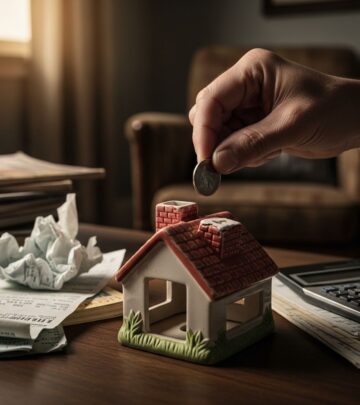
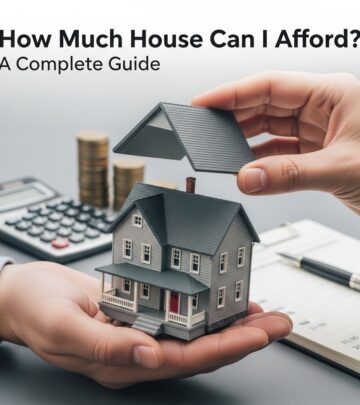
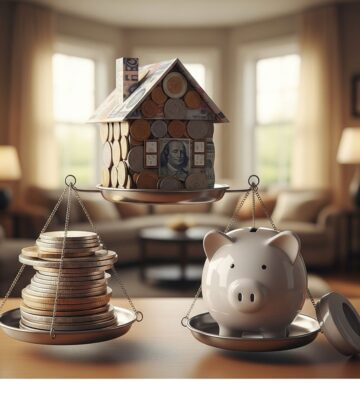
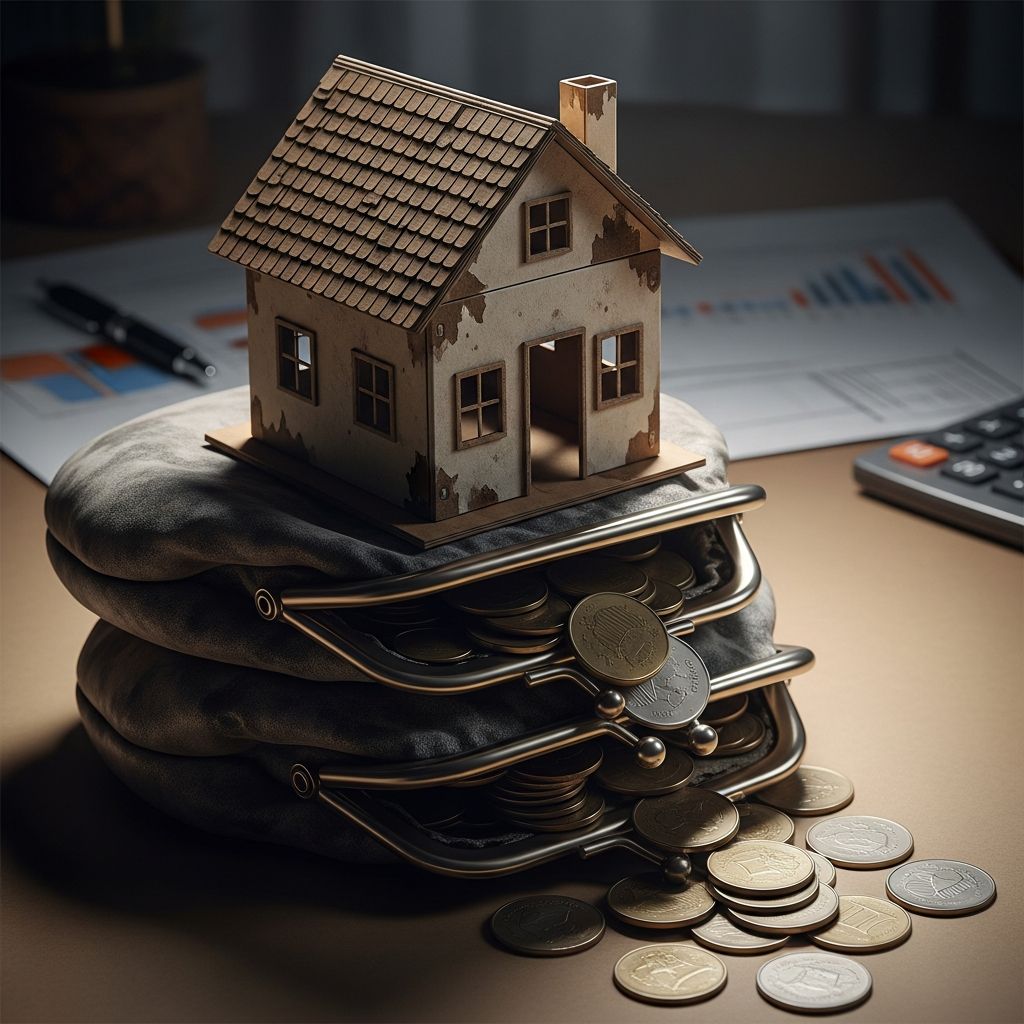
The term “house poor” describes a financial situation in which a homeowner dedicates a disproportionately large portion of their monthly income to housing-related expenses. While there is no official definition, being house poor essentially means spending so much on your home that you have little money left for other important financial obligations and personal goals.
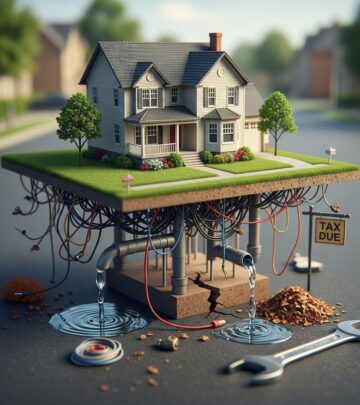
Housing expenses extend far beyond the monthly mortgage payment. They include property taxes, homeowners insurance, utilities, maintenance and repairs, homeowners association fees, and other home-related costs. When these combined expenses consume a significant percentage of your gross or net income, you’re spending money that could otherwise go toward building savings, investing for retirement, paying down debt, or simply enjoying life.
The fundamental issue with being house poor is that while you may be building equity in your home, your budget becomes so stretched that you cannot pursue other financial goals or maintain an adequate emergency fund. This financial inflexibility creates vulnerability, as any unexpected expense or income disruption can trigger a crisis.
How Common Is Being House Poor?
Being house poor has become increasingly common in today’s housing market. According to recent data, more than 18 million Americans are living beyond their means due to rising housing costs and elevated mortgage payments. Additionally, surveys reveal that 69 percent of homeowners consider themselves house poor, with 54 percent reporting that house-related expenses represent their largest financial burden.
This widespread problem affects homeowners across various income levels. Even those earning substantial salaries can find themselves in a house poor situation if they purchase a property that stretches their budget to the limit. The challenge is particularly acute in high-cost metropolitan areas where housing prices far exceed national averages, making it nearly impossible to maintain the traditional recommendation of spending no more than 30 percent of income on housing.
Signs You May Be House Poor
Recognizing whether you’re house poor requires honest self-assessment. Consider whether any of these warning signs apply to your situation:
- You spend a significant portion of your monthly income on housing costs, leaving minimal funds for discretionary spending
- You regularly worry about affording your monthly mortgage payment
- You frequently tap into savings accounts to cover mortgage payments or related housing expenses
- It’s becoming difficult to cover other essential expenses such as groceries, transportation, and healthcare
- You lack an emergency fund and cannot afford to establish one due to budget constraints
- You’re living paycheck-to-paycheck with little financial flexibility
- You struggle to pay other bills on time or frequently delay payments
- You’ve had to cut back on essentials like food, transportation, or medical care
- You’re working more than one job out of financial necessity
- You feel prevented from pursuing personal goals, hobbies, travel, or other life experiences due to housing costs
- You experience significant financial stress related to your housing situation
- Unexpected expenses create immediate financial crises
If multiple signs resonate with you, it’s time to evaluate whether your housing situation is sustainable or if changes are necessary.
Consequences of Being House Poor
The impacts of being house poor extend beyond mere budget constraints. This financial situation creates several interconnected problems that can jeopardize your long-term financial security:
Financial Stress and Reduced Quality of Life
Constant worry about affording housing payments takes a psychological toll. The stress can affect your overall well-being, relationships, work performance, and mental health. The inability to afford simple pleasures or handle unexpected situations creates a persistent sense of anxiety.
Accumulation of Debt
When housing costs consume most of your income, covering unexpected expenses often requires turning to credit cards or high-interest loans. This creates a debt cycle that becomes increasingly difficult to escape, as interest payments add to your financial burden.
Inadequate Retirement Savings
High housing costs leave little opportunity to contribute to retirement accounts. This delayed savings can result in a significantly diminished retirement, as compound growth has less time to work in your favor.
Vulnerability to Foreclosure
House poor homeowners have minimal financial cushion. During economic downturns, job loss, or personal crises, they may be unable to meet mortgage obligations, putting their homes at risk of foreclosure.
Limited Financial Flexibility
Being house poor eliminates the ability to capitalize on opportunities, handle emergencies, or make strategic financial decisions. You’re essentially locked into survival mode.
Why People Become House Poor
Understanding the root causes of being house poor can help you avoid this situation. Common reasons include:
- First-time homebuyers underestimating total costs of homeownership beyond the mortgage payment
- Getting caught up in the emotional appeal of owning a dream home without conducting proper financial analysis
- Purchasing a home near the maximum approved mortgage amount rather than what’s truly affordable
- Failing to account for property taxes, insurance, utilities, and maintenance costs
- Inadequate down payment leading to higher monthly payments and private mortgage insurance
- Not budgeting for major repairs and replacements that inevitably occur over time
- Ignoring life changes that might impact income or expenses
- Making home purchases during periods of artificially low interest rates without considering rate increases
Strategies to Avoid Being House Poor
Preventing house poor status requires deliberate planning and disciplined decision-making throughout the home buying process and beyond.
Determine Your True Housing Budget
Before beginning your home search, calculate how much house you can comfortably afford. This figure may differ significantly from the maximum mortgage you qualify for based on your credit score and debt-to-income ratio. Even if lenders approve you for a larger amount, that doesn’t mean you should accept it. Financial experts consistently recommend buying less house than you can afford while still meeting your needs. The key is ensuring your housing costs leave sufficient room in your budget for savings, debt repayment, and other life priorities.
Conduct Thorough Research on Hidden Costs
Many first-time homebuyers focus exclusively on mortgage payments while overlooking substantial ongoing expenses. Before purchasing, educate yourself on all costs associated with homeownership. These include property taxes, homeowners insurance, HOA fees if applicable, utilities, routine maintenance, and unexpected repairs. Transition renters should particularly note that landlords previously covered many of these costs. Understanding the complete financial picture allows you to make informed decisions about affordability.
Plan for Repairs and Maintenance
Every home requires maintenance and will eventually need significant repairs. Roofs have lifespans, HVAC systems fail, plumbing requires attention, and foundations can develop issues. Rather than ignoring these realities, budget for them proactively. Get a professional home inspection before purchasing to identify potential issues and estimate repair costs. Consider whether a home warranty makes sense for your situation. Having repair reserves in your budget prevents these inevitable expenses from creating financial emergencies.
Make a Substantial Down Payment
While many loan programs and assistance initiatives allow smaller down payments, saving for a larger down payment offers significant long-term benefits. A larger down payment reduces the amount you need to borrow, lowering your monthly mortgage payment and resulting in lower interest rates since you’re viewed as a less risky borrower. Most importantly, a 20 percent down payment eliminates the need for private mortgage insurance, which can save thousands of dollars over your loan’s life. Ensure this strategy doesn’t deplete your emergency savings, but if possible, waiting to save more before purchasing provides valuable financial protection.
Consider Your Complete Financial Picture
Before committing to a home purchase, evaluate your total financial situation. Do you have an emergency fund with three to six months of expenses? What are your existing debt obligations? What are your income prospects for the next five to ten years? Are you adequately saving for retirement? A home purchase should enhance your financial position, not compromise it. Ensure housing costs align with your broader financial goals and won’t derail other important objectives.
Factor in Future Life Changes
Consider how your life might change over the coming years. Are you planning to start a family, change careers, or retire? Could your income decrease? Each of these scenarios affects your ability to afford your current housing costs. Purchase a home that remains affordable even if your circumstances change in unexpected ways.
The 30% Rule and Your Housing Budget
Financial professionals often reference the “30 percent rule,” which suggests that housing expenses should not exceed 30 percent of your gross monthly income. While this guideline doesn’t apply universally—particularly in high-cost urban areas—it provides a useful benchmark. If you’re spending more than 30 percent of income on housing, you may be heading toward or already experiencing house poor status. In expensive metropolitan areas where this threshold is unattainable, aim to be as close to 30 percent as possible while ensuring you can still meet all other financial obligations and goals.
House Rich vs. House Poor: Understanding the Difference
An important distinction exists between being “house rich” and “house poor.” You can technically be both simultaneously. Being house rich means your home has appreciated significantly and represents substantial wealth. However, if your monthly mortgage payments and associated costs consume most of your income, you’re simultaneously house poor. Conversely, someone might own a modestly valued home with a low mortgage payment—making them neither house rich nor house poor. The ideal situation combines reasonable housing costs relative to income with home appreciation over time, creating wealth without financial strain.
What to Do If You’re Already House Poor
If you recognize that you’re currently house poor, several options exist:
- Refinance your mortgage to secure a lower interest rate or longer loan term, reducing monthly payments
- Explore whether you can rent out a portion of your home to generate additional income
- Consider downsizing to a less expensive property that better aligns with your financial situation
- Increase your income through career advancement, additional employment, or side ventures
- Review and reduce other discretionary expenses to free up more housing budget
- Consult with a financial advisor to develop a comprehensive strategy addressing your situation
Frequently Asked Questions
Q: What percentage of homeowners are house poor?
A: According to recent surveys, approximately 69 percent of homeowners consider themselves house poor, with 54 percent reporting that house-related expenses represent their largest financial burden.
Q: Can someone with a high income be house poor?
A: Yes. Being house poor isn’t determined by income level but by the percentage of income dedicated to housing. High-income earners can be house poor if they purchase expensive properties that consume a disproportionate share of their earnings.
Q: Is the 30% rule applicable everywhere?
A: The 30 percent rule serves as a general guideline but doesn’t apply universally, particularly in expensive metropolitan areas where housing costs are inherently higher relative to incomes. However, striving to stay as close to this threshold as possible is still advisable.
Q: How much should I save for a down payment?
A: While 20 percent is ideal to avoid private mortgage insurance and reduce monthly payments, many programs allow smaller down payments. Balance the desire for a larger down payment against maintaining an adequate emergency fund—typically three to six months of expenses.
Q: What’s the difference between house poor and house rich?
A: Being house rich means your home represents significant accumulated wealth through appreciation, while being house poor means housing costs strain your monthly budget. You can technically be both simultaneously—owning an appreciated asset while struggling with monthly payments.
Q: Should I buy the maximum house I’m approved for?
A: No. Lenders determine maximum approval based on debt-to-income ratios and credit factors, not your actual affordability or financial goals. Experts recommend purchasing less house than you can qualify for to ensure comfort, flexibility, and continued progress toward other financial objectives.
References
- How To Avoid Being “House Poor” And What Does That Mean — The Madrona Group. 2024. https://www.themadronagroup.com/how-to-avoid-being-house-poor/
- What does it mean to be house poor and how can you avoid it? — Chase Bank. 2025. https://www.chase.com/personal/mortgage/education/buying-a-home/house-poor
Similar Articles








Read full bio of Sneha Tete