House Closing Timeline Guide
Master the home closing process with our detailed timeline, key steps, and tips to avoid delays in your property purchase journey.
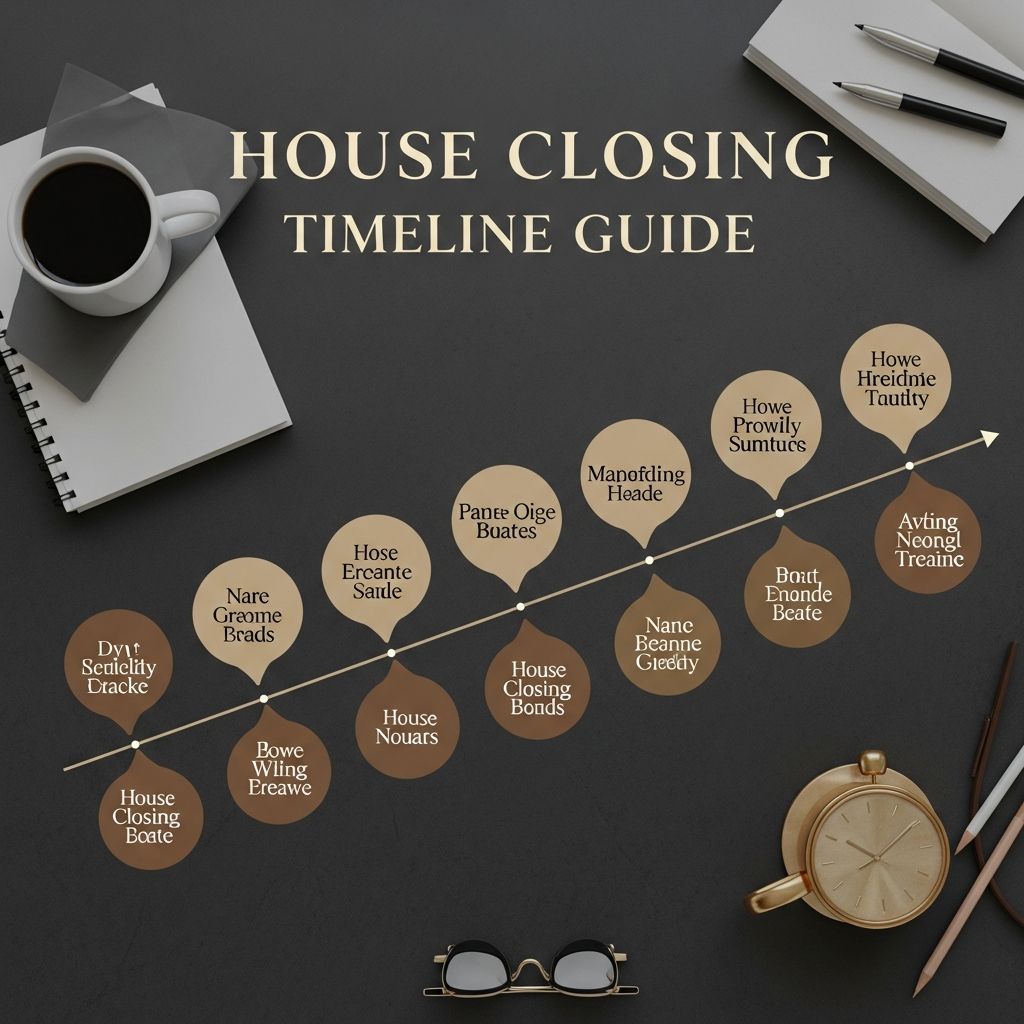
The journey to homeownership culminates in the closing process, which generally spans 30 to 45 days from offer acceptance to receiving the keys. This period involves coordinating financing, property evaluations, legal reviews, and final preparations to ensure a seamless transfer of ownership.
Understanding the Overall Closing Period
Most home purchases finalize within 30 to 60 days after an accepted offer, though averages hover around 44 days based on recent data. The exact duration depends on loan complexity, property condition, and how quickly all parties respond. For conventional loans, expect 30-45 days; FHA or VA loans might extend to 45-60 days due to additional requirements.
Buyers who secure pre-approval upfront can shave days off this timeline, as lenders move faster on fully documented applications. Sellers clearing title issues early also contribute to efficiency.
Phase 1: Initial Negotiations and Contract Finalization
The process kicks off immediately after your offer is accepted, typically within the first 1-3 days. Here, you and the seller hammer out details like purchase price, inclusions (appliances, fixtures), closing date, and contingencies such as inspection periods.
- Day 1-3: Review counteroffers and sign the purchase agreement, which legally binds both parties.
- Key Tip: Negotiate a realistic closing date—30-45 days is standard—to align with lender processing times.
Once signed, the contract triggers escrow, where a neutral third party holds deposits and oversees the transaction.
Phase 2: Property Assessment and Inspection
With the contract in place, prioritize a professional home inspection around day 4. This step uncovers structural issues, plumbing, electrical systems, roof condition, and more, giving leverage to request repairs or price adjustments.
- Inspection Timeline: Schedule within 7-10 days of acceptance; results inform negotiations.
- Common Findings: Minor fixes like leaky faucets or major concerns like foundation cracks.
- Buyer Action: Use findings to amend the contract or walk away if contingencies allow.
Post-inspection, finalize any repair agreements by days 7-10 to keep momentum.
Phase 3: Securing Financing and Valuation
Financing is the backbone of closing. Submit your full mortgage application by day 14, providing income verification, assets, and credit details.
Mortgage Application Breakdown
| Step | Typical Duration | Details |
|---|---|---|
| Pre-Approval (Prior) | 1-3 days | Initial lender commitment based on finances. |
| Full Application | Day 14 | Complete paperwork submission. |
| Processing & Underwriting | 4-6 weeks | Review credit, debt ratios, and eligibility. |
| Final Approval | Days 25-45 | “Clear to close” status issued. |
The lender then orders an appraisal (days 15-20) to confirm the home’s market value supports the loan amount. If the value comes in low, renegotiate or cover the difference.
Phase 4: Title Review and Insurance
A title search (around 1 day, but up to weeks if issues arise) verifies the seller owns the property free of liens, judgments, or disputes. Title insurance protects against future claims.
- Potential Delays: Unresolved liens from previous mortgages or taxes.
- Seller Responsibility: Provide clear title documentation early.
Once cleared, underwriters finalize the loan, often issuing conditional approval pending minor items like updated pay stubs.
Phase 5: Final Preparations Before Closing
Three business days before closing, receive the Closing Disclosure—a detailed breakdown of loan terms, monthly payments, closing costs (2-5% of purchase price), and cash to bring.
- Review Checklist: Compare to initial Loan Estimate; flag discrepancies immediately to avoid delays.
- Final Walkthrough (24-48 hours prior): Confirm repairs, no new damage, and all items included in sale are present.
Prepare funds via wire transfer or certified check for down payment and costs.
Closing Day: The Final Steps
Closing lasts 1-2 hours at a title company, attorney’s office, or lender’s location. Sign 50-100 pages including the deed, note, and disclosures.
- Review and sign loan documents.
- Transfer funds and pay closing costs.
- Receive keys once recorded with the county.
Post-closing, record the deed publicly, making you the official owner.
Factors That Speed Up or Delay Closing
Accelerators
- Pre-approval and organized documents.
- Cash purchases (10-15 days total).
- Waiving contingencies in hot markets.
- Responsive communication among agents, lenders, and title companies.
Common Delays
- Appraisal issues or low valuations (7-14 extra days).
- Title problems like liens.
- Underwriting requests for more docs (1-2 weeks).
- Holiday/weekend scheduling gaps.
| Factor | Average Impact |
|---|---|
| Loan Type (FHA/VA) | +10-15 days |
| Buyer Preparedness | -5-10 days |
| Market Conditions | Variable |
| Title Issues | +2-4 weeks |
Costs Associated with Closing
Expect 2-5% of the home price in fees: lender fees, appraisal ($300-500), inspection ($300-500), title insurance, escrow, and taxes. Shop lenders for competitive rates.
Tips for a Smooth Closing Experience
- Get Pre-Approved Early: Strengthens offers and speeds processing.
- Communicate Proactively: Respond to lender requests within 24 hours.
- Budget for Costs: Have funds ready; avoid new debt.
- Hire Pros: Experienced agent, lender, and title team.
- Plan Logistics: Arrange movers, utilities post-closing.
Frequently Asked Questions (FAQs)
How long does closing take on average?
Around 30-45 days from offer acceptance, per multiple industry sources.
Can I close faster than 30 days?
Yes, cash buyers or prepped conventional loans can close in 15-30 days.
What if the appraisal is low?
Renegotiate price, challenge with comps, or increase down payment.
Do I need a lawyer for closing?
Depends on state; some require it, others use title agents.
What happens if I’m not ready on closing day?
Extensions cost fees; prepare walkthrough and funds in advance.
Regional and Market Variations
In competitive markets, buyers opt for shorter timelines (21-30 days) by waiving inspections. Slower markets allow more buffer. Check local norms via realtor associations.
For investment properties or new builds, add 15-30 days for construction or extra due diligence.
References
- Timeline for Closing on a House — BHGRE. Accessed 2026. https://www.bhgre.com/bhgrelife/timeline-for-closing-on-a-house/
- Home Buying Timeline: From Pre-Approval to Closing — AGCU. Accessed 2026. https://agcu.org/home-buying-timeline/
- Closing on a house: Your step-by-step guide — Rocket Mortgage. Accessed 2026. https://www.rocketmortgage.com/learn/closing-on-a-house
- How Long Does it Take to Close on a House? — Zillow. 2024. https://www.zillow.com/learn/how-long-does-it-take-to-close-on-a-house/
- How Long Does It Take to Close on a House? — PNC Insights. Accessed 2026. https://www.pnc.com/insights/personal-finance/borrow/how-long-to-close-on-house.html
- Closing Time: 6 Steps Every Homebuyer Should Expect — Old Republic Title. Accessed 2026. https://www.oldrepublictitle.com/blog/closing-time/
Similar Articles








Read full bio of Sneha Tete