Horizontal Integration: Strategy, Benefits & Examples
Master horizontal integration: Merge competitors, expand market share, and achieve economies of scale.

What Is Horizontal Integration?
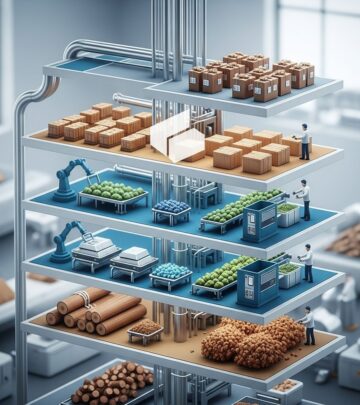
Horizontal integration, also known as lateral integration, is a business strategy in which a company acquires or merges with another company operating at the same stage of production within the same industry. This strategic approach allows businesses to combine their operations and resources to achieve competitive advantages in their marketplace. Rather than building capabilities from scratch, companies pursuing horizontal integration leverage existing operations, customer bases, and market presence to strengthen their competitive position.
The fundamental principle behind horizontal integration is that companies at the same level of the value chain can benefit substantially from combining their efforts. For example, if a software company that develops project management tools acquires another software company producing similar solutions, this represents horizontal integration. Both entities operate in the same industry segment and serve comparable market niches.
How Horizontal Integration Works
Horizontal integration operates through specific mechanisms that enable companies to consolidate their market presence. When two competitors decide to merge or when one company acquires another at the same production stage, they combine their operations into a unified entity. This consolidation can occur through three primary methods:
Acquisition
Acquisition involves one company purchasing another company entirely. In this scenario, the acquiring company absorbs the target company’s assets, operations, and customer base. Acquisitions can be friendly, where both parties agree to the transaction, or hostile, where the acquiring company proceeds despite the target company’s resistance. A hostile takeover represents a particularly aggressive form of acquisition where the acquiring firm bypasses the target company’s management and board of directors, often making a direct offer to shareholders.
Consolidation (Merger)
Consolidation, frequently called a merger, occurs when two or more companies combine to create a jointly operated entity. Unlike acquisitions where one company absorbs another, mergers typically result in a new corporate structure where both organizations maintain some degree of operational presence. This approach often requires more extensive integration planning and cultural alignment between the merging parties.
Internal Expansion
Some companies achieve horizontal integration through organic growth and internal expansion within their existing markets. This method involves developing new products, entering adjacent market segments, or establishing operations in new geographic territories without necessarily acquiring competitors.
Key Benefits of Horizontal Integration
Horizontal integration provides numerous strategic advantages for companies seeking growth and market dominance. Understanding these benefits helps explain why businesses frequently pursue this strategy despite potential challenges and regulatory scrutiny.
Increased Market Share
One of the most immediate benefits of horizontal integration is the expansion of market share. When companies merge or acquire competitors, their combined customer bases create a larger overall presence in the marketplace. This increased market share directly translates to greater revenue potential and a stronger competitive position relative to remaining rivals. Companies with larger market shares often enjoy enhanced bargaining power with suppliers and distributors, enabling them to negotiate more favorable terms and pricing arrangements.
Reduced Competition
By eliminating direct competitors through horizontal integration, companies significantly reduce competitive pressures within their market. When rivals are absorbed into the merged entity, they cease operating as independent competitors, effectively removing them from the playing field. This reduction in competition can grant the integrated company greater pricing control and improved profit margins, as the company faces less pressure to compete aggressively on price.
Economies of Scale
Horizontal integration enables companies to achieve substantial economies of scale by combining production facilities, distribution networks, and administrative functions. As output increases across the merged entity, fixed costs are spread over larger production volumes, resulting in lower per-unit costs. These cost efficiencies allow companies to offer more competitive pricing to customers or increase profit margins by maintaining existing prices while reducing expenses.
Expanded Product and Service Offerings
When companies with complementary or overlapping product lines merge horizontally, the resulting entity offers broader ranges of goods or services to customers. This expanded portfolio attracts new customer segments, creates cross-selling opportunities, and enhances the company’s ability to meet diverse market demands. Customers benefit from accessing a wider range of solutions from a single provider.
Access to New Markets and Customers
Horizontal integration frequently provides entry into new geographic markets or customer segments without requiring the development of entirely new operations. By acquiring established competitors in different regions or market segments, companies accelerate their geographic expansion and customer acquisition timelines.
Improved Operational Efficiency
Combining operations allows companies to eliminate redundancies in management, technology systems, and administrative functions. Streamlined operations result in improved efficiency and reduced overhead costs, contributing to enhanced overall profitability.
Notable Examples of Horizontal Integration
Horizontal integration has been successfully implemented across various industries, reshaping market dynamics and competitive landscapes. The following examples illustrate how significant companies have leveraged this strategy:
Facebook and Instagram
Facebook’s acquisition of Instagram in 2012 represents one of the most prominent examples of horizontal integration in the technology sector. Both companies operate in the social media space, and this integration enabled Facebook (now Meta) to capture a broader audience and fortify its market position. The acquisition allowed Facebook to eliminate a potential competitor while accessing Instagram’s rapidly growing user base and distinctive features.
AT&T and Telecommunications Consolidation
AT&T exemplifies successful horizontal integration through multiple acquisitions within the telecommunications industry. The company acquired competitors including T-Mobile and BellSouth, significantly expanding its market coverage and customer base. These acquisitions allowed AT&T to enter geographic markets previously outside its service area and consolidate its position as a dominant telecommunications provider.
Exxon and Mobil Merger
When Exxon and Mobil merged in 1998, they combined the first and second largest energy corporations in the United States into one of the world’s largest oil companies. The merger pooled their resources, increased their combined market share, reduced competition between the entities, and greatly expanded their reach across the energy sector.
Disney and 21st Century Fox
The Walt Disney Company’s acquisition of 21st Century Fox’s entertainment assets represents a significant horizontal integration in the media and entertainment industry. This merger enabled Disney to expand its content library, production capabilities, and distribution channels while consolidating its position in entertainment.
Marriott and Starwood Hotels
Marriott International’s acquisition of Starwood Hotels & Resorts demonstrates horizontal integration in the hospitality sector. The merger combined two major hotel chains, expanding Marriott’s portfolio of brands and properties while reducing direct competition in the hotel industry.
Horizontal Integration vs. Vertical Integration
While horizontal integration involves merging companies at the same production stage within an industry, vertical integration operates on a different principle. Vertical integration occurs when a company acquires businesses at different stages of the same supply chain. For example, if a clothing manufacturer acquires a cotton farm and a retail clothing store, this represents vertical integration because it spans multiple supply chain levels.
Horizontal integration focuses on reducing competition and increasing market share at a specific production stage, while vertical integration aims to control and optimize the entire supply chain from raw materials to end consumers. Each strategy addresses different business objectives and market challenges.
Disadvantages and Challenges of Horizontal Integration
Despite significant potential benefits, horizontal integration presents several challenges and drawbacks that companies must carefully consider:
Regulatory and Antitrust Concerns
Horizontal integration often faces regulatory scrutiny, particularly when it significantly alters market dynamics or creates excessive market concentration. Antitrust laws exist to prevent monopolistic practices and maintain fair competition. Regulators may block proposed mergers or require divestitures if they determine the integration would substantially reduce competition.
Cultural and Operational Integration Challenges
Merging two companies involves more than financial consolidation. Cultural differences, management style variations, and operational incompatibilities can create significant integration challenges. Successful integration requires alignment of business objectives, harmonization of systems and processes, and careful management of employee transitions.
Loss of Flexibility and Innovation
Larger integrated companies may experience reduced flexibility and slower decision-making processes compared to smaller, independent competitors. The complexity of managing merged operations can sometimes hinder the agility and innovation that smaller companies maintain.
Financial Risks
Horizontal integration typically requires substantial capital investment. If integration fails to deliver expected synergies or if market conditions change, companies may incur significant financial losses. Overpaying for acquisitions or failing to realize cost savings can diminish shareholder value.
Best Practices for Successful Horizontal Integration
Companies pursuing horizontal integration can enhance their success by following established best practices:
- Conduct thorough due diligence to assess financial health, customer satisfaction, and operational compatibility of target companies
- Align business objectives between acquiring and acquired companies to ensure shared goals and vision
- Integrate management structures and systems to support unified operations
- Harmonize product and service offerings to streamline the value chain and optimize customer satisfaction
- Develop comprehensive integration plans addressing technical, operational, and cultural aspects
- Communicate transparently with employees, customers, and stakeholders throughout the integration process
- Monitor regulatory requirements and maintain compliance with antitrust considerations
- Establish integration governance structures with clear accountability and decision-making authority
Frequently Asked Questions
Q: What is the primary goal of horizontal integration?
A: The primary goal of horizontal integration is to increase market share, reduce competition, achieve economies of scale, and expand the company’s reach within its existing industry. Companies pursue this strategy to strengthen their competitive position and improve profitability.
Q: How does horizontal integration differ from vertical integration?
A: Horizontal integration involves merging with competitors at the same production stage, while vertical integration involves acquiring companies at different stages of the supply chain. Horizontal integration focuses on market consolidation, while vertical integration aims to control the entire supply chain.
Q: Can horizontal integration be blocked by regulators?
A: Yes, horizontal integration can be blocked or restricted by regulatory authorities if they determine the merger would substantially reduce competition or create antitrust concerns. Regulators may require divestitures or impose conditions on the merger approval.
Q: What are the risks associated with horizontal integration?
A: Key risks include cultural and operational integration challenges, regulatory and antitrust concerns, loss of organizational flexibility, financial risks from overpayment or failed integration, and potential reduced innovation in larger combined entities.
Q: How can companies ensure successful horizontal integration?
A: Successful integration requires thorough due diligence, clear alignment of business objectives, careful management of organizational culture, comprehensive integration planning, transparent stakeholder communication, and effective governance structures throughout the integration process.
References
- Types of Business Integrations: Examples and Insights — Business Talent Group. 2024. https://resources.businesstalentgroup.com/btg-blog/types-of-business-integrations-examples-and-insights
- Horizontal Integration | Definition, Strategy & Examples — Study.com. 2024. https://study.com/learn/lesson/horizontal-integration-examples.html
- Horizontal Integration | Definition + Examples — Wall Street Prep. 2024. https://www.wallstreetprep.com/knowledge/horizontal-integration/
- Horizontal Integration: Definition, Examples and Strategy — Inbound Logistics. 2024. https://www.inboundlogistics.com/articles/horizontal-integration/
- Horizontal Integration Explained: How it Works (+ Examples) — Dealroom. 2024. https://dealroom.net/faq/horizontal-integration
- How Does Horizontal Integration Work? Pros, Cons and Examples — NetSuite. 2024. https://www.netsuite.com/portal/resource/articles/erp/horizontal-integration.shtml
Similar Articles








Read full bio of medha deb