Homeownership After Foreclosure: Your Path Forward
Discover practical steps, timelines, and strategies to rebuild your finances and secure a mortgage after losing a home to foreclosure.

Losing a home to foreclosure feels devastating, but it doesn’t permanently bar you from future homeownership. With time, disciplined financial habits, and strategic planning, many individuals successfully secure new mortgages and rebuild their lives. This comprehensive guide explores the timelines, requirements, and actionable steps to navigate this process effectively.
Understanding Foreclosure’s Lasting Effects
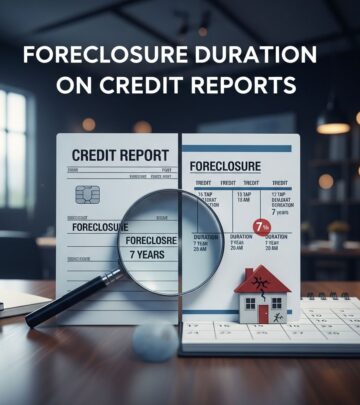
Foreclosure occurs when a lender repossesses a property due to missed mortgage payments, severely impacting your credit profile. The event remains on your credit report for seven years from the first missed payment, potentially dropping your FICO score by 100 points or more. Despite this, lenders evaluate applications based on current financial health rather than past mistakes alone.
Key impacts include higher interest rates, larger down payments, and mandatory waiting periods before qualifying for new loans. However, proving responsible behavior post-foreclosure—such as consistent on-time payments and reduced debt—can mitigate these challenges.
Waiting Periods by Loan Type
Every major mortgage program enforces a waiting period after foreclosure, measured from the date the property title transfers or the foreclosure completes. These periods vary, and extenuating circumstances like job loss or medical emergencies can shorten them.
| Loan Type | Standard Waiting Period | With Extenuating Circumstances |
|---|---|---|
| Conventional (Fannie Mae/Freddie Mac) | 7 years | 2-3 years |
| FHA | 3 years | Less than 3 years |
| VA | 2 years | Less than 2 years |
| USDA | 3 years | Less than 3 years |
| Non-QM | None | N/A |
For conventional loans, the seven-year wait applies unless documented hardships reduce it to as little as three years, often requiring a 10% down payment due to a 90% LTV cap. FHA loans, popular for their leniency, start the three-year clock from title transfer or FHA claim payout. VA loans offer the shortest standard wait at two years, preserving some entitlement for eligible veterans. Non-QM loans bypass waits but come with elevated costs.
Credit Rebuilding: The Foundation of Recovery
Post-foreclosure credit restoration is crucial. Begin by obtaining free credit reports from AnnualCreditReport.com to dispute errors. Focus on these strategies:
- Pay all bills on time—payment history comprises 35% of your FICO score.
- Reduce credit utilization below 30% to boost scores quickly.
- Secure secured credit cards or credit-builder loans to demonstrate reliability.
- Avoid new debt; limit inquiries that could lower scores further.
Aim for a 580+ FICO score for optimal FHA eligibility with 3.5% down, or 500-579 with 10% down. Lenders scrutinize the 12 months preceding application for flawless payment history.
Financial Preparations Before Applying
Beyond credit, lenders assess debt-to-income (DTI) ratios, stable income, and reserves. Target a DTI under 43%, with reserves covering 2-6 months of expenses. Document employment stability and gather pay stubs, tax returns, and bank statements.
For extenuating circumstances waivers, compile evidence like medical bills or layoff notices. Consult a HUD-approved housing counselor for personalized guidance.
Loan Options Tailored for Post-Foreclosure Buyers
FHA Loans: Accessible Entry Point
FHA-insured loans forgive past foreclosures after three years, requiring minimal down payments. With scores of 580+, expect 3.5% down; below that, 10%. These are ideal for first-time rebuilders.
VA Loans: Veteran Advantages
Active military and veterans benefit from two-year waits and no down payment requirements. Partial entitlement often remains post-foreclosure.
Conventional Loans: Long-Term Stability
After seven years (or less with hardships), these offer competitive rates and higher loan limits but demand stronger credit (620+).
Non-QM and Alternatives
Non-qualified mortgages ignore traditional waits, using bank statements or assets for qualification. Higher rates apply, suiting self-employed buyers.
Down Payment and Cost Considerations
Expect elevated down payments: 10%+ for shortened conventional waits, 3.5-10% for FHA. Save aggressively, exploring down payment assistance programs via state housing agencies. Budget for closing costs (2-5% of loan amount) and private mortgage insurance if LTV exceeds 80%.
| Loan Type | Min Credit Score (3.5% Down) | Alternative Down Payment |
|---|---|---|
| FHA | 580 | 10% (500-579 score) |
| Conventional | 620 | 10%+ with hardships |
| VA/USDA | Varies | 0% possible |
Step-by-Step Action Plan
- Assess Your Timeline: Note foreclosure completion date and select loan type.
- Rebuild Credit: Implement habits for 12+ months of perfect payments.
- Boost Savings: Build reserves and down payment funds.
- Get Pre-Approved: Shop multiple lenders for best terms.
- Apply Strategically: Provide full documentation, including hardship proof if applicable.
Track progress with free tools from Credit Karma or official bureau sites.
Common Pitfalls to Avoid
- Ignoring title release dates—confirm your name is off the deed.
- New late payments during rebuilding, which reset lender trust.
- Overlooking DTI; pay down debts aggressively.
- Rushing applications before meeting minimums.
Frequently Asked Questions
How long does foreclosure stay on my credit report?
Seven years from the first missed payment.
Can I buy a home immediately after foreclosure?
Non-QM loans allow it, but with higher costs.
What counts as extenuating circumstances?
Nonrecurring events like job loss or illness beyond your control.
Is renting recommended during the waiting period?
Yes, to build savings and payment history.
Will bankruptcy affect timelines similarly?
Yes, waiting periods align closely with foreclosures.
Real-Life Success Stories
Many rebound successfully. Veterans restore VA entitlement post-two years, while FHA buyers with rebuilt 600+ scores secure homes with modest down payments. Persistence pays off.
Partner with experienced loan officers specializing in post-foreclosure financing for tailored advice.
References
- How to Get a Mortgage After Foreclosure — LendingTree. 2023. https://www.lendingtree.com/home/mortgage/how-to-get-a-mortgage-after-a-foreclosure/
- When Can I Get a Mortgage After Foreclosure? — Nolo. 2023. https://www.nolo.com/legal-encyclopedia/when-can-i-get-mortgage-after-foreclosure.html
- Buying A Home After Foreclosure — Bankrate. 2023. https://www.bankrate.com/mortgages/how-to-get-a-mortgage-after-foreclosure/
- If I lose my home to foreclosure, can I ever buy a home again? — Consumer Financial Protection Bureau (.gov). 2023. https://www.consumerfinance.gov/ask-cfpb/if-i-lose-my-home-to-foreclosure-can-i-ever-buy-a-home-again-what-impact-will-a-foreclosure-have-on-my-credit-report-en-326/
- After Foreclosure | Steps To Purchase Or Refinance Again — Fellowship Home Loans. 2023. https://fellowshiphomeloans.com/purchase-or-refinance-after-foreclosure/
Similar Articles








Read full bio of medha deb