Homeowners Insurance Rates Surge in 2026
Understand the forces behind escalating home insurance premiums and strategies to manage costs amid 2026's projected 4-8% national rise.

Across the United States, homeowners are confronting steeper insurance premiums in 2026, with national averages projected to climb by 4% to around $3,057 annually, following a 12% jump in 2025.This marks the fifth straight year of increases, totaling a 46% rise since 2021—far outpacing general inflation. Factors like intensified natural disasters, soaring reconstruction expenses, and supply chain disruptions are fueling this trend, affecting millions of households.
Key Drivers of Escalating Premiums
Several interconnected pressures are pushing insurers to raise rates. Extreme weather events have surged, leading to record claims payouts that strain company reserves. Concurrently, the cost to repair or rebuild homes has ballooned due to inflated material prices and labor shortages, compelling insurers to adjust policies accordingly.
Climate-Driven Catastrophes
Climate change has amplified the frequency and severity of storms, wildfires, and floods. Insurers paid out billions in 2025 alone from events like California’s Palisades and Eaton fires, estimated at $41 billion in losses. These disasters not only deplete funds but also prompt stricter underwriting in vulnerable regions, reducing coverage availability and hiking rates for remaining policies.
Rebuilding Cost Inflation
Post-pandemic supply chain issues persist, with lumber, asphalt, and roofing materials costing far more than pre-2020 levels. Construction costs for single-family homes rose 2.1% from August 2024 to September 2025, while repair expenses increased 2.3%. Insurers must now account for these higher replacement values, directly inflating premiums to cover potential payouts.
Labor Shortages and Reinsurance Pressures
A nationwide shortage of skilled workers delays repairs and elevates labor costs. Additionally, reinsurance—the insurance for insurers—has skyrocketed, with premiums up 25% since 2020 due to climate risks. These costs trickle down to policyholders as companies seek to maintain profitability.
State-by-State Rate Projections for 2026
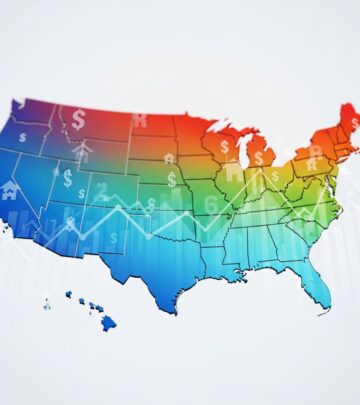
While the national average increase hovers at 4%, regional disparities are stark. High-risk states face double-digit hikes, while a few may see modest relief.
| State | Projected Increase | Average Annual Premium |
|---|---|---|
| Florida | +10-16% | $8,458 |
| California | +16% | Moderate (rising) |
| Nebraska | +13% | $4,560 |
| New Mexico | +11% | N/A |
| Georgia | +10% | N/A |
| Oklahoma | N/A | $5,205 |
| Louisiana | -2% (possible) | $5,035 |
Data compiled from forecasts; highest premiums cluster in hurricane- and wildfire-prone areas.
- Hardest Hit: California regulators approved a 17% hike for State Farm post-wildfires, pushing cumulative rises to 34% since 2023.
- Potential Declines: Hawaii, Massachusetts, Maine, Rhode Island, and Louisiana could dip up to 2%, offering limited respite.
Economic Ripple Effects on Housing
Beyond direct costs, rising premiums reshape the housing market. A Florida State University study links a 10% premium increase to a 4.6% drop in home values, as buyers factor in affordability. In states like Florida and California, scarce coverage drives homeowners to last-resort plans like FAIR, which carry even higher rates and limited protection.
Some insurers are exiting high-risk markets entirely, shrinking options and forcing rates up through reduced competition. North Carolina, for instance, anticipates 7.5% hikes in both 2025 and 2026.
Personal Factors Influencing Your Bill
Not all increases stem from macro trends. Policy changes, such as boosting coverage limits or switching carriers, can trigger hikes. Losing bundling discounts—say, by dropping auto insurance—also adds up. Recent claims on your record or home improvements that raise replacement value may prompt recalculations.
Strategies to Counter Rising Costs
Homeowners aren’t powerless. Proactive steps can mitigate impacts:
- Shop Around Annually: Compare quotes from multiple insurers; savings average $244 yearly for switchers.
- Boost Deductibles: Raising from $1,000 to $2,500 often cuts premiums 15-25%.
- Fortify Your Home: Wind-resistant roofs or impact windows qualify for discounts up to 30% in storm zones.
- Bundle Policies: Combining home and auto saves 10-20% typically.
- Claim Wisely: Small claims can spike future rates; reserve for major losses.
- Explore State Programs: In crisis areas, check FAIR Plans or grants for resilience upgrades.
Future Outlook and Policy Responses
Projections vary: Insurify eyes 4% national growth, Cotality 8%. Regulators in places like California balance hikes with mandates for expanded coverage in risky zones. Long-term, advanced risk modeling and federal reinsurance proposals (e.g., “US Re”) could stabilize markets.
Yet, with climate threats intensifying, expect sustained pressure. Homeowners in low-risk areas may fare better, but nationwide vigilance is key.
Frequently Asked Questions
Why has my homeowners insurance increased in 2026?
Rates rose due to severe weather claims, rebuilding inflation (up 2.1-2.3%), and reinsurance costs.
Which states have the highest premiums?
Florida ($8,458), Oklahoma ($5,205), and Louisiana ($5,035) top the list, driven by disasters.
Can I lower my premium without cutting coverage?
Yes—bundle policies, raise deductibles, or add protective features for discounts.
Will rates keep rising?
Forecasts indicate yes, 4-8% in 2026, amid ongoing climate and economic pressures.
What if insurers leave my area?
Turn to state FAIR Plans, though they cost more and offer basic protection.
References
- Home Insurance Rates Are Climbing Again — What to Expect in 2026 — Program Business. 2026. https://programbusiness.com/news/home-insurance-rates-are-climbing-again-what-to-expect-in-2026/
- California Homeowners Could Face 16% Insurance Rate Jump in 2026, Report Says — InsuranceNewsNet. 2026. https://insurancenewsnet.com/oarticle/california-homeowners-could-face-16-insurance-rate-jump-in-2026-report-says-insurify
- Why Did My Homeowners Insurance Go Up in 2026? — InsuredBetter. 2026. https://www.insuredbetter.com/insurance-articles/home-family/why-did-my-homeowners-insurance-go-up/
- US Home Insurance Prices Set to Keep Rising With Severe Weather — Insurance Journal. 2026-03-18. https://www.insurancejournal.com/news/national/2026/03/18/862372.htm
- 2026 Homeowners Insurance Market Outlook — Price Ramey. 2026. https://priceramey.com/blog/2026-homeowners-insurance/
- Why home insurance prices are skyrocketing (and how to fix it) — Brookings Institution (via YouTube). 2026. https://www.youtube.com/watch?v=kvSWK-NL2GQ
Similar Articles








Read full bio of Sneha Tete