Homeowners Insurance and Plumbing Coverage
Discover what plumbing issues your homeowners insurance covers, from burst pipes to leaks, and learn how to protect your home effectively.
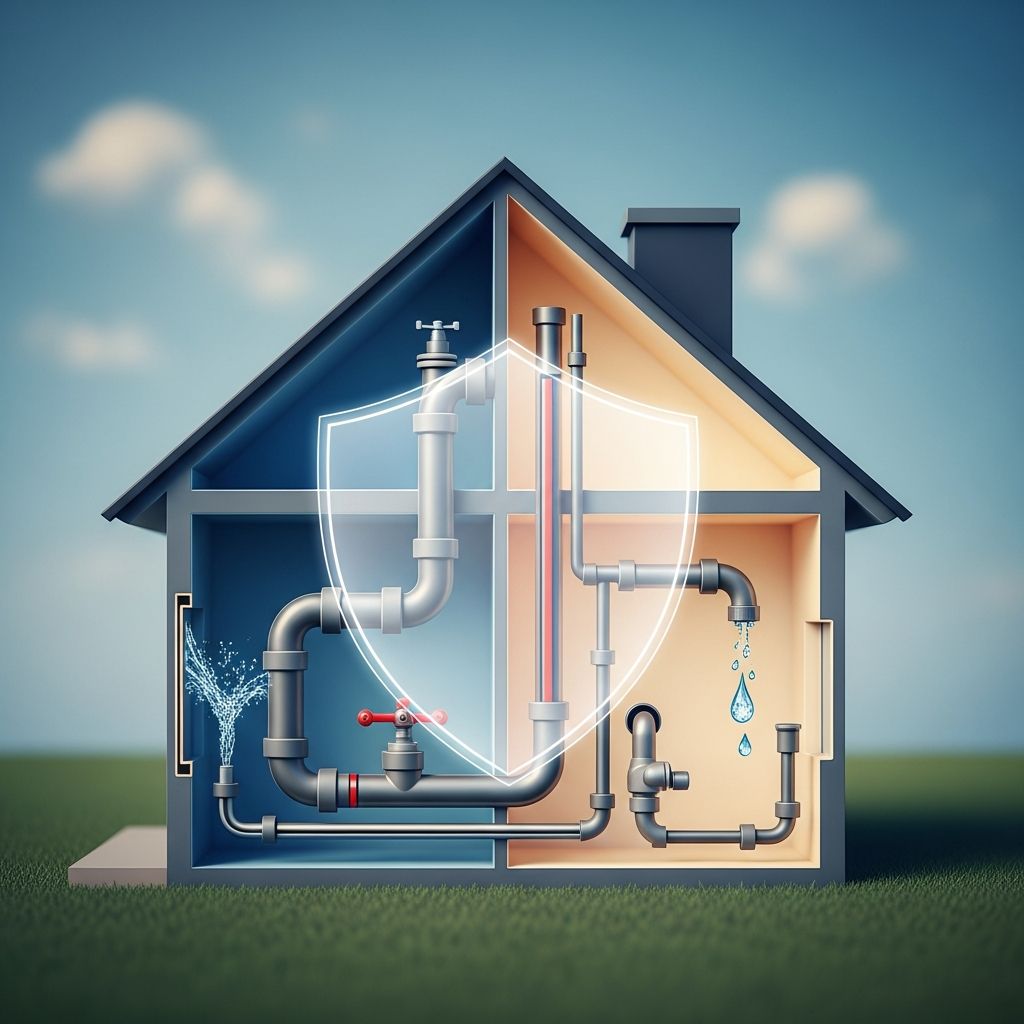
Standard homeowners insurance policies provide protection against many unexpected plumbing failures, particularly those causing sudden water damage to your property. However, coverage is limited to accidental incidents and does not extend to issues stemming from poor upkeep or gradual deterioration.
Understanding Coverage for Sudden Plumbing Failures
When a plumbing problem arises abruptly, such as a pipe bursting due to freezing temperatures, your policy typically steps in to cover the resulting water damage. This includes repairs to walls, floors, and ceilings affected by the leak, as well as cleanup costs. For instance, if a frozen pipe ruptures in winter, insurers often reimburse for structural repairs after your deductible, though the pipe replacement itself may not be included.
Appliance-related incidents, like a washing machine hose snapping unexpectedly, also qualify for coverage under personal property and dwelling protections. These events must be verifiable as sudden to avoid denial.
Key Policy Components That Address Plumbing Damage
Homeowners policies break down into several coverages that interact with plumbing issues:
- Dwelling Coverage: Handles damage to the home’s structure, including walls and built-in systems impacted by leaks.
- Personal Property Coverage: Protects belongings like furniture, carpets, and electronics ruined by water.
- Loss of Use Coverage: Covers temporary housing and living expenses if the home becomes uninhabitable during repairs.
- Other Structures Coverage: Applies to detached garages or sheds affected by plumbing overflow.
- Liability Coverage: Pays if plumbing failure damages a neighbor’s property.
These components ensure comprehensive protection for sudden events, but always review your policy limits and deductibles.
Common Plumbing Scenarios Covered by Insurance
| Scenario | Covered? | Details |
|---|---|---|
| Burst frozen pipe | Yes, if sudden | Water damage to interiors covered; prove heating was maintained. |
| Appliance hose break | Yes | Sudden leaks from washers or dishwashers qualify. |
| Slab leak from burst | Possibly | Structural repairs if accidental; flood-related no. |
| Mold from sudden leak | Often yes | Cleanup included if tied to covered peril. |
This table highlights typical approvals, emphasizing the need for immediacy in the failure.
Exclusions: When Insurance Won’t Pay for Plumbing Problems
Not all plumbing woes trigger a payout. Policies explicitly exclude damage from foreseeable or ongoing issues. Gradual leaks, such as those from corroded pipes developing over time, fall under wear and tear and remain your responsibility.
Neglect plays a major role in denials. Failing to address a known drip or leaving the home unheated during cold snaps can void claims, as insurers view these as preventable. Sewer backups, sump pump overflows, and flooding require separate endorsements or policies, as standard coverage ignores them.
Improper installations or DIY repairs gone wrong also lead to exclusions, underscoring the value of licensed professionals.
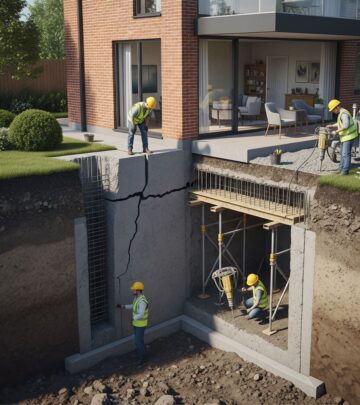
Slab Leaks and Foundation Challenges
Leaks beneath concrete slabs pose unique hurdles. If caused by a sudden pipe burst, insurance may fund slab removal and repairs. However, flood-induced or gradual seepage gets denied under standard terms. Homeowners in flood-prone areas should secure flood insurance via FEMA or private carriers for full safeguards.
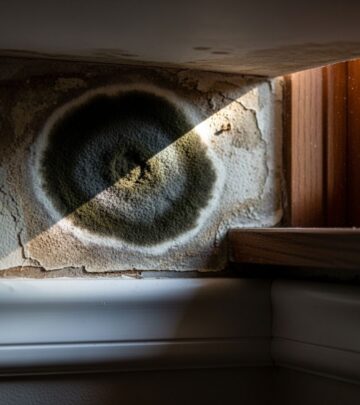
Navigating Mold and Mildew from Leaks
Sudden water events can breed mold, and many policies cover remediation if linked to a covered claim. Long-term neglect, however, triggers exclusions, often necessitating a mold rider for broader protection. Prompt drying and professional cleanup prevent escalation and support successful claims.
Filing a Plumbing Claim: Step-by-Step Guide
- Report Immediately: Contact your insurer within 24-48 hours to start the process.
- Document Everything: Take photos, videos, and notes on the damage extent before any cleanup.
- Mitigate Further Damage: Stop the water source if safe, and protect property to avoid claim denial for negligence.
- Get Estimates: Obtain quotes from licensed contractors for repairs.
- Submit Paperwork: Provide inventory lists and receipts for personal items.
- Adjuster Review: Cooperate with the inspection to finalize payout.
Thorough records boost approval odds and speed resolutions.
Preventive Measures to Avoid Costly Claims
Proactive maintenance minimizes risks and claim denials. Key actions include:
- Insulating exposed pipes against freezes.
- Annual inspections of water heaters and fixtures.
- Clearing drains regularly to prevent clogs.
- Maintaining sump pumps and installing backwater valves.
- Monitoring for hidden leaks via water meters.
These steps preserve your home and demonstrate due diligence to insurers.
Enhancing Protection with Add-Ons and Warranties
Standard policies have gaps, so consider water backup endorsements for sewer issues or service line coverage for underground pipes. Home warranties complement insurance by handling repair costs for aging systems, covering what policies ignore like pipe replacements.
Compare options: insurance focuses on damage liability, while warranties target system failures directly.
Cost Considerations and Deductibles
Claims impact premiums, potentially rising 10-20% post-payout. High-deductible policies lower rates but increase out-of-pocket costs. Weigh filing small claims against long-term hikes. Average water damage claims exceed $10,000, justifying coverage for major events.
Frequently Asked Questions
Does insurance cover the cost to repair the broken pipe?
Typically no; policies cover resulting damage, not the plumbing fix itself.
Will insurance pay for water damage from a slow leak?
No, gradual issues are excluded as wear and tear.
Are frozen pipes always covered?
Yes, if you took reasonable preventive steps like maintaining heat.
Does coverage extend to neighbor’s property?
Liability coverage may apply if you’re at fault.
Should I get flood insurance for plumbing?
Yes, for flood-related water intrusion.
Regional and Climate Factors
In cold climates, frozen pipes dominate claims, while humid areas see more mold issues. Coastal homeowners face heightened flood risks, mandating tailored policies. Review endorsements based on local threats.
Technology like leak detectors and smart shutoffs offers modern prevention, potentially qualifying for insurer discounts.
References
- Does Homeowners Insurance Cover Plumbing Issues? — SoFi. 2024. https://www.sofi.com/learn/content/does-homeowners-insurance-cover-plumbing-issues/
- Does Homeowners Insurance Cover Plumbing? — Progressive. 2024. https://www.progressive.com/answers/does-insurance-cover-plumbing/
- Does Homeowners Insurance Cover Plumbing? What’s Included … — GEICO. 2024. https://www.geico.com/information/aboutinsurance/homeowners/does-homeowners-insurance-cover-plumbing/
- Does Homeowners Insurance Cover Plumbing Problems? — NerdWallet. 2024. https://www.nerdwallet.com/insurance/homeowners/learn/does-homeowners-insurance-cover-plumbing
- Does Home Insurance Cover Plumbing? — Nationwide. 2024. https://www.nationwide.com/lc/resources/home/articles/does-home-insurance-cover-plumbing
- Does Homeowners Insurance Cover Plumbing Issues? — Policygenius. 2024. https://www.policygenius.com/homeowners-insurance/does-homeowners-insurance-cover-plumbing/
- Does Homeowners Insurance Cover Water Damage? — Allstate. 2024. https://www.allstate.com/resources/home-insurance/water-damage
Similar Articles








Read full bio of medha deb