Homeowners Insurance Coverage Guide
Understand what your homeowners insurance protects and what gaps may exist.

Homeowners insurance serves as a critical financial safety net for property owners, yet many policyholders don’t fully understand what their coverage includes or excludes. A homeowners insurance policy is fundamentally a package product that combines multiple layers of protection into a single contract. This multifaceted approach means that when you purchase homeowners insurance, you’re actually obtaining several distinct types of coverage working together to shield your investment from various financial risks.
The complexity of homeowners insurance can make it difficult for owners to evaluate whether their current policy adequately protects their assets. Understanding the foundational components of your coverage—and recognizing what gaps might exist—is essential for making informed decisions about your insurance needs.
The Six Primary Protection Components of Your Policy
Most homeowners insurance policies contain at least six distinct coverage sections, though insurance companies may use different terminology. These components work in concert to provide comprehensive protection across multiple risk scenarios. Understanding each component helps you evaluate whether your policy meets your specific needs.
Dwelling Protection: The Foundation of Your Coverage
Dwelling coverage forms the cornerstone of every homeowners insurance policy. This protection specifically addresses damage to the physical structure of your home itself—the walls, roof, foundation, built-in appliances, and other permanent fixtures that comprise your residence. When a covered peril damages your dwelling, this coverage helps pay the costs to repair or rebuild your home to its original condition.
The amount of dwelling coverage you select establishes the maximum the insurer will pay for structural repairs or rebuilding. Most insurers recommend selecting a dwelling limit that reflects the replacement cost of your home—what it would cost to rebuild from the ground up using current materials and labor costs—rather than the home’s current market value. Replacement cost and market value can differ significantly, particularly in areas where property values have appreciated or declined.
Other Structures Coverage: Protection Beyond Your Main Home
Homes often include detached structures that merit separate protection. Other structures coverage—sometimes called “Coverage B”—protects detached garages, storage sheds, gazebos, guest houses, and similar buildings on your property. This coverage typically provides protection at a percentage of your dwelling coverage amount, often between 10 and 20 percent.
The distinction between attached and detached structures matters considerably. Structures physically attached to your home, such as an attached garage or covered porch, fall under dwelling coverage. Conversely, a detached garage or workshop on your property requires other structures coverage to ensure adequate protection.
Personal Property Coverage: Protecting Your Belongings
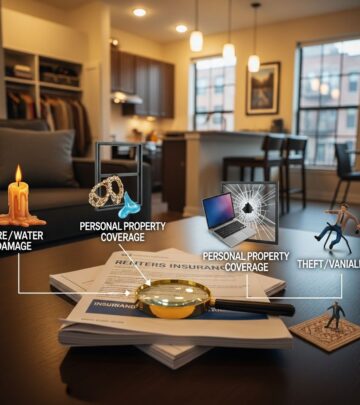
Personal property coverage protects the contents within your home—furniture, clothing, electronics, artwork, and other possessions. This coverage travels with you as well; it protects your belongings whether they’re damaged in your home or elsewhere. Most personal property coverage applies at approximately 50 to 70 percent of your dwelling coverage limit, though you can typically increase these limits for additional premium.
An important distinction affects personal property claims: coverage may be provided at actual cash value or replacement cost. Actual cash value deducts depreciation from your claim payout, meaning older items receive lower settlements. Replacement cost coverage pays what it currently costs to replace your items, disregarding depreciation. While more expensive, replacement cost coverage typically provides significantly better protection for personal property.
Loss of Use Coverage: Maintaining Your Lifestyle During Displacement
When a covered peril renders your home temporarily uninhabitable, loss of use coverage—also termed “additional living expenses”—covers the costs of temporary housing and related expenses. This protection pays for hotel stays, rental accommodations, restaurant meals, and other necessary expenses while your home is being repaired or rebuilt.
Loss of use coverage typically includes a dollar limit and a time period during which claims are covered. Most policies provide coverage for 12 to 24 months from the date of loss. This protection proves invaluable when major damage forces you to live elsewhere for an extended period.
Personal Liability Coverage: Legal and Medical Protection
Personal liability coverage protects you against legal and financial responsibility when someone is injured on your property or when you accidentally damage someone else’s property. If a visitor slips on your icy walkway and breaks a bone, files a lawsuit, and wins a judgment against you, your liability coverage helps pay their medical expenses and legal settlements, up to your policy limit.
Liability coverage typically ranges from $100,000 to $300,000 in standard policies, though higher limits are available. Given that medical expenses and legal judgments can easily exceed these amounts, many financial advisors recommend considering umbrella policies that provide an additional layer of liability protection above your homeowners policy limits.
Medical Payments Coverage: No-Fault Guest Protection
Medical payments to others coverage provides limited no-fault protection for guests injured on your property, regardless of who caused the injury. If your neighbor’s child is injured during a backyard birthday party, this coverage helps pay reasonable medical expenses without requiring fault determination or legal proceedings.
Medical payments coverage typically provides between $1,000 and $5,000 in protection per incident. This coverage works independently of liability coverage and can help resolve minor injury situations quickly without involving lawyers or insurance litigation.
Coverage Types Across Different Policy Forms
The homeowners insurance market offers eight standardized policy types, each providing different levels and types of protection. Understanding these distinctions helps you select the appropriate coverage for your specific situation.
| Policy Type | Coverage Level | Best For |
|---|---|---|
| HO-1 (Basic) | Limited, named-peril coverage | Rarely offered; minimal protection |
| HO-2 (Broad) | Moderate, named-peril coverage | Budget-conscious homeowners |
| HO-3 (Special) | Comprehensive, all-risk for structure | Standard homeowners; most common |
| HO-4 (Renters) | Personal property and liability | Apartment and condo renters |
| HO-5 (Comprehensive) | Maximum protection available | High-value homes; luxury properties |
| HO-6 (Condo) | Interior and personal property | Condo owners and associations |
| HO-7 (Mobile Home) | Structure and contents for mobile units | Manufactured or mobile home owners |
| HO-8 (Modified) | Limited, actual cash value | Historic or older homes |
The Distinction Between Named-Peril and All-Risk Coverage
A critical difference distinguishes lower-tier policies from comprehensive options: the approach to defining covered events. Named-peril coverage, found in HO-1 and HO-2 policies, covers only specific perils explicitly listed in your policy—typically fire, theft, windstorms, and a limited set of other events. If damage results from an unlisted peril, your claim will be denied.
All-risk coverage, available through HO-3 and HO-5 policies, protects against damage from virtually any cause except those specifically excluded in your policy. This distinction fundamentally changes your protection level. With all-risk coverage, you’re protected from unexpected perils not explicitly excluded, whereas named-peril policies require that each peril be affirmatively covered.
Critical Coverage Gaps and Exclusions
Despite comprehensive homeowners policies, significant gaps exist in standard coverage. Recognizing these exclusions prevents costly surprises when loss occurs.
Natural Disasters Requiring Separate Coverage
Standard homeowners policies typically exclude damage from earthquakes and floods—two of the most destructive natural disasters in many regions. Earthquake insurance and flood insurance must be purchased as separate policies. Flood insurance, in particular, is often a separate product entirely, frequently through government programs like the National Flood Insurance Program for properties in high-risk flood zones.
The prevalence of these exclusions reflects the unpredictable, potentially catastrophic nature of earthquake and flood damage. Insurance companies cannot reliably predict aggregate losses from these events, making separate policies with specific underwriting necessary.
Water Damage and Plumbing Issues
Homeowners frequently misunderstand water damage coverage. Sudden, accidental water damage from burst pipes or ruptured water heaters may be covered, but damage from gradual leaks, seepage, or poor maintenance typically isn’t. Flooding from external sources falls under flood insurance requirements, not homeowners policies. This distinction can significantly impact your ability to recover after water-related incidents.
Maintenance-Related Damage
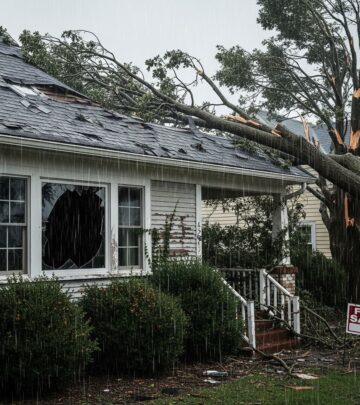
Insurance covers unexpected, accidental damage but not damage resulting from deferred maintenance or wear and tear. If your roof leaks because shingles deteriorated with age, that damage typically isn’t covered. However, if a storm suddenly tears off shingles, resulting in water damage, that damage would likely be covered. The distinction between negligence and unforeseen events determines coverage eligibility.
Business-Related Property and Activities
Standard homeowners policies exclude coverage for business property or losses related to business activities conducted from home. If you operate a home-based business, your business equipment, inventory, and liability from business operations typically require separate commercial insurance coverage.
Selecting Appropriate Coverage Limits
Choosing adequate coverage limits requires careful evaluation of your specific situation. For most homeowners, an HO-3 or HO-5 policy provides sufficient protection. Condo owners typically need HO-6 coverage, renters require HO-4 policies, and mobile home owners should carry HO-7 coverage.
When evaluating your dwelling limit, obtain current replacement cost estimates from local contractors. Compare this figure to your current coverage limit; if your limit falls significantly short of replacement cost, you face potential coverage shortfalls. Many insurers offer inflation adjustment options that automatically increase your dwelling coverage annually.
Personal property coverage limits should reflect the actual value of your belongings. Consider conducting a home inventory and calculating approximate replacement costs for electronics, furniture, clothing, and other possessions. If your standard personal property limit appears inadequate, higher limits or scheduled personal property coverage for particularly valuable items may be necessary.
Frequently Asked Questions About Homeowners Coverage
Does homeowners insurance cover roof replacement?
Sudden, accidental roof damage from storms or falling trees is typically covered. However, roof leaks resulting from age-related deterioration aren’t covered, even if the old roof finally fails. Some insurers apply age-based roof exclusions, limiting coverage for older roofs regardless of the cause of damage.
Am I covered if a guest is injured in my home?
Your personal liability coverage protects you if someone is injured on your property due to conditions you created or maintained negligently. Medical payments to others coverage provides additional no-fault protection for minor injuries. However, intentional injuries or injuries resulting from illegal activities typically aren’t covered.
What’s the difference between actual cash value and replacement cost?
Actual cash value subtracts depreciation from your claim payout, reducing settlements for older items. Replacement cost pays what it currently costs to replace items without depreciation adjustments. Replacement cost coverage costs more but provides significantly better financial recovery after losses.
Does homeowners insurance cover my car?
No, vehicles require separate auto insurance policies. Homeowners insurance doesn’t extend to cars, motorcycles, or other motorized vehicles, even if they’re parked in your garage or driveway.
Conclusion: Building Your Comprehensive Protection Strategy
Homeowners insurance provides essential financial protection for one of life’s largest investments. By understanding the six primary coverage components, recognizing policy distinctions, identifying critical gaps, and selecting appropriate limits, you establish a comprehensive protection strategy. Regularly reviewing your policy—particularly after major life changes or significant property improvements—ensures your coverage remains aligned with your current needs and property value.
References
- Types of Homeowners Insurance — Bankrate. https://www.bankrate.com/insurance/homeowners-insurance/types-of-homeowners-insurance/
- Types of Homeowners Insurance Policies — Progressive. https://www.progressive.com/homeowners/faq/policy-types/
- 8 Types of Homeowners Insurance Policies to Know — Matic. https://matic.com/blog/8-types-of-homeowners-insurance-policies-to-know/
- What is Homeowners Insurance and What Does it Cover? — State Farm. https://www.statefarm.com/simple-insights/residence/what-is-homeowners-insurance-and-what-does-it-cover
- Understanding the Types of Homeowner Insurance Policies — South Carolina Department of Insurance. https://doi.sc.gov/1023/Understanding-the-Types-of-Homeowner-Ins
- 8 Types of Homeowners Insurance — PolicyGenius. https://www.policygenius.com/homeowners-insurance/types-of-homeowners-insurance/
- Seven Coverage Parts of Homeowners Insurance — Towne Insurance. https://www.towneinsurance.com/personal/personal/property/home/parts/
- Homeowners Insurance Basics — Insurance Information Institute (III). https://www.iii.org/article/homeowners-insurance-basics
- What are the different types of homeowners insurance? — Nationwide. https://www.nationwide.com/lc/resources/home/articles/types-of-homeowners-insurance
Similar Articles








Read full bio of Sneha Tete