Understanding Home Valuation in Mortgage Financing
Learn how property assessments impact your mortgage approval and loan terms

When purchasing a home, one of the most critical yet often misunderstood components of the mortgage process is property valuation. The assessed value of a home directly influences how much a lender is willing to finance, the interest rates offered, and ultimately whether your purchase can proceed. Understanding how properties are valued and why this assessment matters can help you navigate the home-buying journey with greater confidence and financial awareness.
What Is Home Valuation and Why It Matters
Home valuation is the professional determination of a property’s fair market value at a specific point in time. This assessment goes far beyond the asking price listed by sellers or what you believe the home is worth. Lenders require an independent valuation to ensure the property serves as adequate collateral for the mortgage loan. If a property is worth significantly less than the purchase price, the lender faces greater financial risk should you default on the loan.
The valuation process protects both the lender and the borrower. For the lender, it ensures they’re not over-financing a property that could be difficult to recover in case of default. For you as the buyer, an honest assessment prevents you from overpaying for a property or taking on excessive debt relative to the asset’s actual worth. This is why lenders mandate an appraisal before final loan approval—it’s a fundamental safeguard in the mortgage transaction.
The Professional Appraisal Process
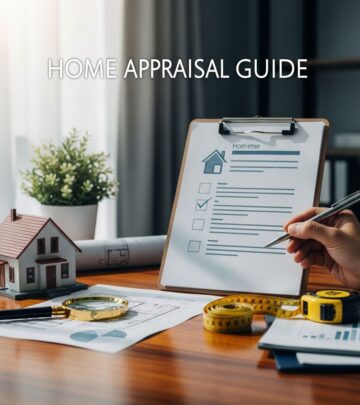
A professional home appraisal is conducted by a licensed appraiser who has no financial interest in whether the sale proceeds. The appraiser performs an on-site inspection of the property, examining both interior and exterior conditions. They assess structural integrity, mechanical systems, the roof, flooring, walls, and other major components that affect the home’s functionality and longevity.
The appraisal isn’t simply a walk-through. Appraisers take detailed measurements, note any repairs needed, and document the overall condition of the home. They photograph key areas and create a comprehensive report that will be reviewed by the lender’s underwriting team. This detailed approach ensures that the valuation reflects the property’s true condition rather than cosmetic upgrades or temporary improvements.
After the physical inspection, the appraiser researches comparable properties in the same geographic area. These comparable sales, often called “comps,” provide the foundation for determining fair market value. The appraiser analyzes recent sales of similar homes nearby, adjusting for differences in size, age, condition, features, and location. This comparative market analysis is often the most important part of the appraisal, as it grounds the valuation in actual market data rather than speculation.
Key Factors Influencing Property Value
Several distinct categories of factors impact how an appraiser determines a home’s value:
Location and Neighborhood Characteristics
The adage that real estate value depends on “location, location, location” remains largely true. Properties in desirable neighborhoods with good schools, low crime rates, and convenient access to employment centers typically command higher values. Proximity to parks, public transportation, shopping, and cultural amenities also influences desirability. Conversely, properties near industrial areas, highways, or in declining neighborhoods may have lower valuations. The neighborhood’s trajectory matters too—areas experiencing revitalization often see property values increase, while declining neighborhoods may see values stagnate.
Physical Characteristics and Condition
The home’s age, size, and condition directly affect its market value. Newer homes typically appraise higher than older ones, though well-maintained vintage properties can command premium prices if they possess desirable architectural features or character. Square footage significantly impacts value—larger homes generally appraise for more, though the value per square foot may vary based on other factors. The home’s condition is equally important. Properties requiring extensive repairs or suffering from deferred maintenance appraise lower than well-maintained homes. Major systems like the roof, electrical, plumbing, and HVAC are scrutinized carefully, as expensive repairs can substantially reduce appraised value.
Lot Size and Features
The land itself contributes meaningfully to overall property value. Larger lots typically appraise higher, though this varies by location. In dense urban areas, lot size matters less than in suburban or rural settings. Special features like mature trees, water views, or usable outdoor space can increase value. Conversely, unusual lot shapes, easements, or environmental constraints may reduce appraised value.
Home Features and Updates
The number of bedrooms, bathrooms, and living spaces impacts valuation. Modern kitchens and updated bathrooms typically add value, as these are expensive systems that buyers prioritize. Energy-efficient features like new windows, updated insulation, or solar panels may increase value, particularly in markets with high energy costs. High-quality finishes and desirable floor plans also contribute positively to appraisals.
Market Conditions
The broader real estate market significantly influences property values. In seller’s markets where demand exceeds supply, home values tend to rise. In buyer’s markets with ample inventory, values may stagnate or decline. Interest rate environments also affect the market—lower rates increase buyer purchasing power and can elevate prices, while higher rates may cool demand. Economic conditions, employment levels, and population trends all contribute to market dynamics that influence individual property valuations.
Appraisal Methods and Approaches
Professional appraisers typically employ three distinct approaches to determine property value, often using all three to triangulate a fair market value estimate:
The Comparable Sales Approach
This method analyzes recent sales of similar properties in the area, adjusting for differences. If comparable homes recently sold for $300,000 but your subject property has an additional bathroom worth $15,000, the adjusted value might be $315,000. This approach is generally most reliable in active markets with sufficient comparable sales data.
The Cost Approach
This method calculates the land value plus the cost to rebuild the structure new, minus depreciation. It’s particularly useful for newer homes or unique properties where comparable sales data is limited. The cost approach answers the question: “What would it cost to replace this home?”
The Income Approach
Though less common for primary residences, this method evaluates properties based on income generation potential. It’s primarily used for investment properties and rental units, calculating value based on potential rental income.
What Happens When Appraisals Don’t Match Purchase Price
One of the most stressful scenarios in home buying occurs when the appraised value comes in lower than the agreed purchase price. If you’re purchasing a $400,000 home and the appraisal comes in at $380,000, the lender will typically only finance based on the appraised value, not the purchase price. This creates several options for resolution.
You might negotiate with the seller to reduce the purchase price to match the appraisal. Alternatively, you could pay the difference out of pocket—bringing additional cash to closing to cover the gap between the appraised value and your agreed purchase price. Some buyers challenge the appraisal if they believe it contains errors or failed to account for important features. Your real estate agent or lender can advise whether an appraisal challenge is warranted. In some cases, a low appraisal leads to the deal falling apart, particularly if you don’t have additional funds available and the seller won’t renegotiate.
The Timing and Cost of Appraisals
The appraisal typically occurs after your offer is accepted but before final loan approval. Most lenders require it within the first week or two of the mortgage application process. Appraisals usually take 7-14 days to complete from the time the appraiser is assigned. You’ll need to pay an appraisal fee—typically ranging from $300 to $700 depending on the property’s location, size, and complexity—though this is collected upfront and applied toward your closing costs.
Because the appraisal is essential to the lending process but takes time to complete, it’s critical to have it ordered quickly after your offer is accepted. Any delays in scheduling the appraiser or providing access to the property can compress your timeline, especially given the 45-60 day window typically available to complete the entire mortgage process.
Protecting Your Investment Through Valuation Understanding
Understanding property valuation empowers you to make informed decisions throughout the home-buying process. Before making an offer, research comparable properties in the area to understand realistic market values. This prevents you from overpaying or making an offer significantly below market, which might not be competitive.
Once you’re under contract, ask your lender what they view as comparable properties for appraisal purposes. If you’ve identified recent sales of similar homes that support a higher value, share this information with your agent. While appraisers conduct independent assessments, they may not be familiar with very recent sales or other market data you’ve uncovered.
If an appraisal comes in lower than expected, stay calm and evaluate your options thoughtfully. Low appraisals don’t always represent accurate values—sometimes appraisers make errors, use inappropriate comparables, or lack complete information about the property or market. However, they also sometimes reveal genuine pricing concerns worth heeding.
Frequently Asked Questions About Home Valuation
Can I dispute an appraisal I believe is too low?
Yes, you can request a formal reconsideration. Provide the appraiser or lender with evidence of errors, such as inaccurate square footage, missing features, or superior comparable sales they didn’t consider. However, lenders won’t overturn appraisals simply because you disagree—the evidence must demonstrate concrete errors or omissions.
Does the asking price affect the appraisal?
Professional appraisers are trained to base valuations on market data, not asking prices. However, if an appraiser views the purchase price as exceptionally high, they may investigate more carefully to ensure they’re not being influenced by unrealistic pricing.
Will appraisal value affect my property taxes?
Mortgage appraisals and property tax assessments are separate processes. Your property tax assessment is conducted by local government and may differ from your mortgage appraisal. They use different methodologies and serve different purposes, though they may correlate over time as market values change.
What’s the difference between an appraisal and an inspection?
A home inspection examines the property’s condition and identifies needed repairs. An appraisal determines market value and confirms the property is adequate collateral. Both are valuable—inspections protect your interests, while appraisals protect the lender’s interests. You typically order and pay for the inspection yourself; the lender orders and pays for the appraisal, with costs applied to closing.
Moving Forward with Property Valuation Knowledge
Property valuation is a critical component of the mortgage process that deserves your attention and understanding. By recognizing how appraisers determine value, what factors influence their assessments, and how valuations affect your financing, you’re better equipped to navigate home purchasing confidently. Whether you’re a first-time buyer or an experienced homeowner, respecting the appraisal process and the professionals who conduct these assessments ensures a smoother path to homeownership.
References
- Buying a House — U.S. Department of Housing and Urban Development (HUD). Accessed February 2026. https://www.hud.gov/helping-americans/buying-a-home
- Owning a Home: Buying a House — Consumer Financial Protection Bureau (CFPB). Accessed February 2026. https://www.consumerfinance.gov/owning-a-home/
- Home Buying Process – What to Expect When Buying a Home — Bank of America Better Money Habits. Accessed February 2026. https://bettermoneyhabits.bankofamerica.com/en/home-ownership/5-stages-of-the-home-buying-process
- The Mortgage Loan Process in 10 Steps — Navy Federal Credit Union. Accessed February 2026. https://www.navyfederal.org/loans-cards/mortgage/mortgage-basics/mortgage-process.html
- How to Buy a House in 2025: Step-by-Step — Rocket Mortgage. Accessed February 2026. https://www.rocketmortgage.com/learn/how-to-buy-a-house
- 7-Step Guide to a Smooth Mortgage Process for First Time Home Buyers — FirstBank Kansas City. Accessed February 2026. https://www.ffbkc.com/blogs/borrowing/7-step-guide-to-mortgage/
Similar Articles








Read full bio of medha deb