Home Utility Company Scams: How to Protect Yourself
Learn to identify and avoid common utility scams targeting homeowners with deceptive tactics.
Understanding Home Utility Company Scams
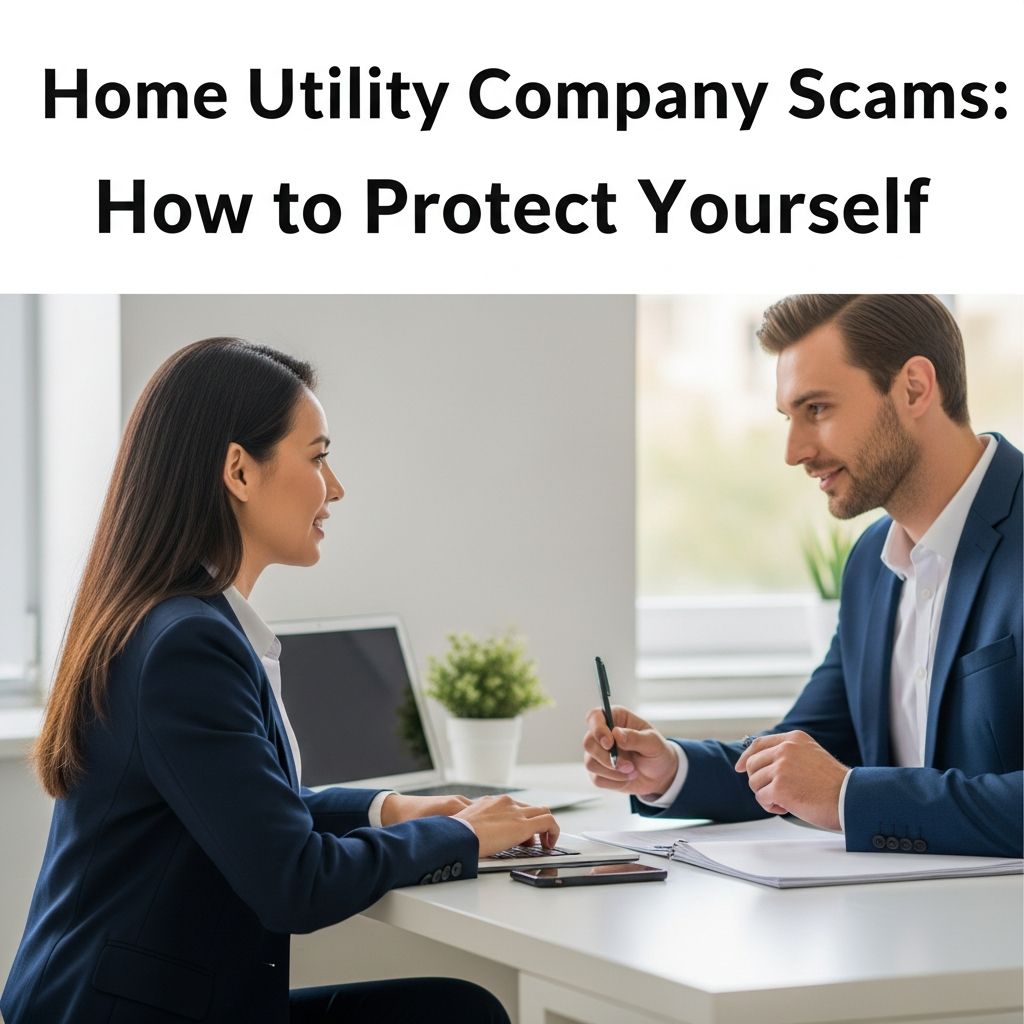
Utility company scams have become increasingly sophisticated, targeting unsuspecting homeowners and businesses with alarming frequency. Scammers impersonate utility company representatives to deceive consumers into providing sensitive personal information or making unauthorized payments. These fraudsters exploit the trust people place in essential service providers, using fear tactics and urgency to pressure victims into quick decisions. Understanding the nature of these scams is the first line of defense against becoming a victim.
Scammers are adept at catching people at their most vulnerable moments, often targeting individuals who are behind on bills, elderly persons, or those unfamiliar with common fraud tactics. By posing as legitimate utility company employees, they create a false sense of authority and credibility. The consequences of falling victim to utility scams can range from financial losses to identity theft, making awareness and prevention critical.
Common Types of Utility Scams
Disconnection Threat Scams
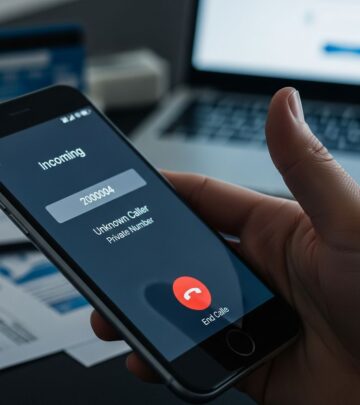
One of the most prevalent utility scams involves threatening immediate service disconnection due to an overdue bill. Scammers claim your power, gas, or water will be shut off unless you make an immediate payment. They use fear and urgency to pressure victims into paying through untraceable methods like gift cards, prepaid cards, or money transfers. The key red flag is the demand for unusual payment methods and the pressure to act immediately without allowing time for verification.
Overpayment Scams
In these schemes, scammers contact you claiming you have overpaid your utility bill and are due a refund. They request your personal bank account information, credit card number, or other financial details under the pretense of processing the refund. Once they have this information, they can drain your accounts or commit identity theft. Legitimate utility companies typically credit overpayments to your account balance or issue refunds via mailed check, never by requesting your financial information.
Smishing and Phishing Scams
Smishing, or SMS phishing, involves scammers sending text messages that appear to be from your utility company. These messages trick you into providing personal information or clicking on malicious links. Phishing emails work similarly, with fraudsters sending emails that closely mimic legitimate utility company communications, complete with company logos and colors. These digital scams are particularly effective because people often perceive text messages and emails as trustworthy. Legitimate utility companies typically do not send unsolicited text messages unless you have specifically signed up for notification services.
Equipment and Repair Fee Fraud
Fraudsters may call demanding a separate payment for replacing or repairing utility-related equipment, claiming the payment is urgent to avoid service disruption. They insist on immediate payment and may threaten consequences if you refuse. In reality, legitimate utility companies notify customers in advance about equipment upgrades or repairs and include any associated charges in monthly bills, not as separate emergency payments.
Bogus Bills
Scammers send fake utility bills via email that closely resemble legitimate bills from your actual utility company. These emails often contain company logos, colors, and official-looking formatting. They prompt you to click on links or open attachments, which may lead to malware installation or phishing websites designed to steal your login credentials. Always verify the sender’s email address before clicking on any links or attachments, as legitimate utility companies typically send bills through the mail unless you have specifically requested email billing.
Fake Online Advertisements
Scammers post advertisements pretending to be utility companies or their authorized representatives. These ads are often geolocated to appear relevant to your specific location. When you click on these ads, you are directed to call a scammer directly instead of reaching the actual company. These fake ads may advertise special programs, rebates, or rate reductions that don’t actually exist. Always verify any offers by contacting your utility company directly using the phone number on your official bill.
Solar Installation and Energy Efficiency Scams
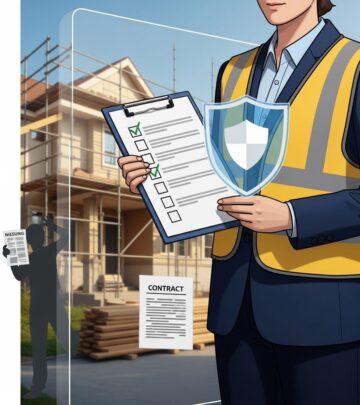
Fraudsters claim to be affiliated with your utility company’s preferred solar installer program or energy efficiency programs to gain your trust. They offer bogus discounts or demand upfront payments for installations or assessments that never occur. Some scammers may also perform unsolicited door-to-door sales pitches claiming to represent efficiency assessment programs. Before engaging with any company offering solar installations or energy efficiency services, always verify their affiliation directly with your utility company.
Bait and Switch Schemes
Someone posing as a representative from a different utility company calls or writes claiming they can save you money if you switch services. However, the promised savings are short-lived before they increase prices beyond your original rates, or the savings never materialize. These scammers rely on pressure and persuasive language to convince you to switch providers.
Warning Signs and Red Flags
Urgent Payment Demands
Legitimate utility companies provide multiple notifications before disconnection and offer various payment options. If someone pressures you to pay immediately through unusual payment methods or threatens instant disconnection, it’s likely a scam. Real companies give customers time to resolve payment issues.
Requests for Unusual Payment Methods
Genuine utility companies accept conventional payment methods like checks, bank transfers, credit cards, and automatic payments. They will never demand payment through gift cards, prepaid cards, payment apps, or money transfers. If someone asks for these payment methods, it’s a major red flag indicating a scam.
Requests for Personal Information
Legitimate utility companies already have your account information and will not call asking you to verify your account number, Social Security number, PIN, password, or banking details. Scammers attempt to extract this information to commit identity theft or access your financial accounts.
Too-Good-To-Be-True Offers
Be wary of offers promising significant savings, rebates, or rate reductions that seem unrealistically low. These offers are designed to lure you into engaging with scammers who will then request payment or personal information.
Suspicious Contact Methods
Unsolicited door-to-door visits, unexpected phone calls, and emails requesting immediate action are common scam tactics. Legitimate utility companies typically communicate through official channels and mail.
Protecting Yourself From Utility Scams
Verify Every Communication
Never accept contact information from incoming calls or emails. Instead, hang up and call your utility company using the phone number on your official bill. This ensures you’re contacting the legitimate company, not a scammer. Ask legitimate representatives to provide your account number, last payment amount, payment date, and their employee identification number—information they should have readily available.
Protect Your Personal Information
Do not provide or confirm sensitive information such as your Social Security number, date of birth, passwords, PINs, credit card numbers, or banking account details to anyone claiming to represent your utility company via phone, email, or in-person visit. Your utility company already has your account information and will not ask for these details unsolicited.
Never Allow Unsupervised Access
Do not allow anyone into your home to inspect electrical wiring, natural gas pipes, or appliances unless you have scheduled an appointment or reported a utility problem. Always verify identities and ask for proper identification. Check credentials by contacting your utility company directly.
Take Your Time
Don’t be rushed into making payments or providing information. Legitimate business transactions don’t require immediate decisions made under pressure. If you feel rushed or pressured, it’s likely a scam. Hang up and contact your utility company directly to verify the legitimacy of the contact.
Handle Door-to-Door Visits Carefully
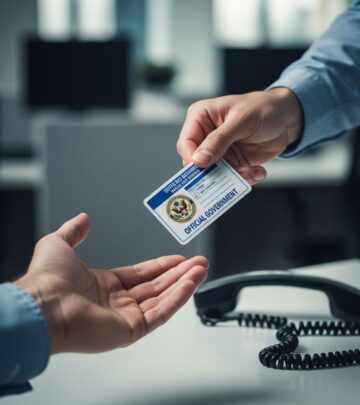
If someone comes to your door claiming to represent a utility company, ask for proper identification and verify it independently. Never give anyone your electricity bill or other utility documents. Do not give cash to any “representative,” even if they have a uniform or ID. Contact your utility company to confirm whether they scheduled any visit.
Use Secure Payment Methods
Pay your utility bills only through official channels provided by your utility company. Set up automatic payments from your bank account or pay through the official company website or phone number. Avoid paying through unusual methods or third-party services.
What to Do If You Suspect a Scam
Immediate Actions
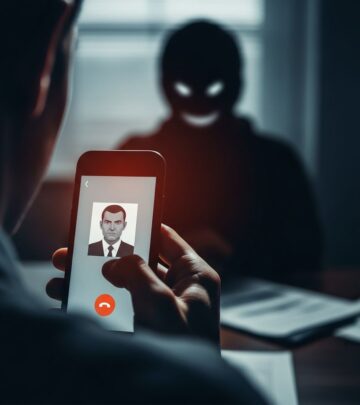
If you receive a suspicious call claiming to be from your utility company, hang up immediately. Do not continue the conversation or provide any information. Contact your utility company directly using the number on your bill to report the fraudulent contact and verify whether any legitimate communication was attempted.
Document Information
For phone calls, note the originating phone number, date, time, and any details about the caller or their claims. For door-to-door interactions, document the company name, physical descriptions, vehicle information, date, time, and any other identifying details.
Report to Authorities
Contact your local police department to file a report. Additionally, report the scam to the Federal Trade Commission at reportfraud.ftc.gov or contact your utility company’s fraud reporting line. Many utility companies have dedicated scam reporting processes. Reporting helps authorities investigate and prevents others from becoming victims.
Monitor Your Accounts
If you provided any financial information, contact your bank and credit card companies immediately to report the fraud. Monitor your accounts for unauthorized transactions and consider placing a fraud alert on your credit reports.
Understanding Your Utility Company’s Communication Practices
Familiarizing yourself with how your legitimate utility company communicates is an effective defense against scams. Most utility companies follow standard practices: they mail bills and payment notices, they send disconnection notices via mail with multiple warnings before action, and they maintain official websites and customer service phone numbers. They may offer optional email notifications or text alerts if you sign up for such services, but they do not send unsolicited messages demanding immediate payment or personal information. Understanding these legitimate practices helps you quickly identify when contact deviates from normal procedures, indicating a potential scam.
Special Considerations for Vulnerable Populations
Elderly individuals and non-English speakers are particularly targeted by utility scammers. If you have family members in these groups, consider helping them set up automatic bill payments through their bank to reduce the risk of scam contact. Teach them to never provide personal information over the phone and to always verify contact by calling you or their utility company directly. Share warning signs and encourage them to ask questions when in doubt.
Frequently Asked Questions
Q: What should I do if I’ve already given my information to a scammer?
A: Contact your bank and credit card companies immediately to report fraud. Place a fraud alert on your credit reports with Equifax, Experian, and TransUnion. Consider monitoring services like credit monitoring or identity theft protection. File a report with the FTC and your local police department.
Q: Will my utility company really shut off my service without warning?
A: No. Legitimate utility companies provide multiple disconnection notices via mail before taking action. They offer multiple payment options and work with customers on payment arrangements. Any threat of immediate disconnection via phone is virtually certain to be a scam.
Q: How can I verify a utility company representative at my door?
A: Ask for identification and inspect it carefully. Call your utility company directly using the number on your bill to confirm whether they scheduled any visit. Never provide your bill or financial information, and don’t allow entry unless you’ve scheduled maintenance for a specific problem.
Q: Are utility companies ever legitimate when they call unexpectedly?
A: Utility companies rarely call unexpectedly to demand payment or personal information. If you receive an unexpected call, it’s safest to hang up and call your utility company directly using the number on your bill to verify. This protects you while still allowing legitimate contact.
Q: What payment methods should I never use for utility bills?
A: Never use gift cards, prepaid cards, payment apps like Venmo or Cash App, money transfers, or cryptocurrency to pay utility bills. These methods are untraceable and cannot be disputed. Use official company websites, automatic bank payments, checks, or credit/debit cards through official channels only.
Conclusion
Protecting yourself from utility company scams requires vigilance, skepticism, and knowledge of common fraud tactics. By understanding the types of scams that exist, recognizing warning signs, and following preventative measures, you can significantly reduce your risk of becoming a victim. Remember that legitimate utility companies will never pressure you for immediate payment through unusual methods, request sensitive personal information unsolicited, or threaten instant disconnection without prior notice. When in doubt, hang up and contact your utility company directly using the number on your official bill. Trust your instincts—if something feels wrong, it probably is. By staying informed and remaining cautious, you protect not only your finances but also your personal information and identity.
References
- Top 9 Utility Scams: Tips to Recognize and Avoid Them — Bitdefender. 2024. https://www.bitdefender.com/en-us/blog/hotforsecurity/utility-scams
- Tips to Prevent Utility Scams — StoneBridge Business Partners. https://stonebridgebp.com/library/uncategorized/tips-to-prevent-utility-scams/
- How to Recognize and Avoid Utility Scams — AAA. https://www.acg.aaa.com/connect/blogs/5c/membership/how-to-avoid-utility-scams
- Be Aware of Scams — City of Fort Collins Utilities. https://www.fcgov.com/utilities/safety-and-security/common-scams
- Stay Safe from Scams — Southern California Edison (SCE). https://www.sce.com/outages-safety/stay-safe/scam-awareness
- Consumer’s Guide to Impostor Utility Scams — Utilities United Against Scams. https://www.utilitiesunited.org
Similar Articles








Read full bio of medha deb