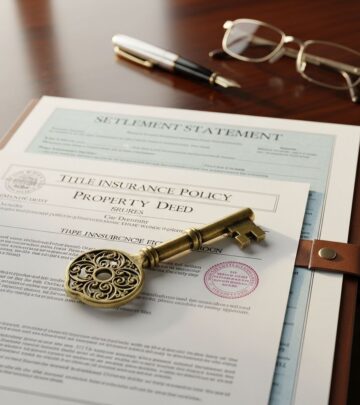
Home Title Fraud: Essential Guide To Spot, Prevent, Respond
Discover the risks of home title fraud, how scammers strike, and proven strategies to shield your property from illegal ownership grabs.

Property ownership represents one of the largest investments most people make, yet it remains vulnerable to a sophisticated crime known as home title fraud. This scam involves criminals forging documents to unlawfully seize control of a home’s deed, potentially leading to financial ruin for unsuspecting owners. As home values rise, so do the incentives for fraudsters, making awareness essential for every homeowner.
The Growing Menace of Property Deed Theft
Home title fraud, sometimes called deed theft or title theft, occurs when a perpetrator uses stolen personal details to fabricate legal paperwork, such as a quitclaim deed, and records it with local authorities. This action creates a false record of ownership transfer, allowing the criminal to exploit the property without the true owner’s knowledge. Unlike traditional burglaries, this crime strips away equity silently, often discovered only after damage mounts.
Scammers target properties with high equity, vacant homes, or those owned by elderly individuals or absentee landlords. The process begins with identity theft—gathering names, addresses, and signatures from public records, mail theft, or data breaches. Once armed with this information, fraudsters draft forged deeds and file them at county recorder offices, where minimal scrutiny sometimes allows the deception to proceed unchecked.
Common Tactics Employed by Title Fraudsters
Criminals employ several deceptive methods to execute title fraud:
- Forged Deeds: Creating fake warranty, grant, or quitclaim deeds mimicking legitimate transfers. Quitclaim deeds are particularly favored due to their simplicity and lack of title search requirements.
- Identity Impersonation: Posing as the owner using stolen personal identifiable information (PII) to sign and notarize documents.
- Mail Manipulation: Redirecting bills and notices to hide activities from the victim.
- Straw Buyer Schemes: Transferring title to accomplices who then secure loans or sell the property.
After gaining recorded ownership, fraudsters may take out home equity loans, refinance mortgages to extract cash, rent the property illegally, or sell it outright. Victims face mounting debts, credit destruction, foreclosure threats, and eviction battles that demand extensive legal intervention.
Devastating Impacts on Victims
The aftermath of title fraud extends far beyond paperwork errors. Homeowners may confront unfamiliar mortgages draining their equity, utility bills for phantom tenants, or tax liens from unpaid obligations. Credit scores plummet due to defaulted loans, complicating future borrowing. Legal battles to reclaim title can span years, incurring attorney fees, court costs, and lost income. In extreme cases, families endure eviction from their own homes, amplifying emotional trauma alongside financial loss.
| Impact Area | Description | Typical Resolution Time |
|---|---|---|
| Financial Loss | Unauthorized loans, lost equity, legal fees | 1-3 years |
| Credit Damage | Defaults reported, score drops | Up to 7 years |
| Legal Disputes | Quiet title actions, foreclosures | 6-24 months |
| Emotional Toll | Stress, displacement | Varies |
Essential Strategies to Prevent Title Fraud
Proactive measures form the strongest defense against deed theft. Homeowners should integrate multiple layers of protection to deter and detect threats early.
Secure Your Personal Identifiable Information
Protect PII by shredding sensitive documents, opting out of pre-approved credit offers, and avoiding sharing details with unverified parties. Verify all solicitations directly through official channels, as scammers spoof contact information.
Enroll in Property Monitoring Services
Many counties provide free fraud alert programs that notify owners of new deed filings. Search for “[Your County] Property Fraud Alert” to sign up. Supplement with paid title monitoring services ($10-25/month) that scan records nationwide. Set Google Alerts for your address and routinely check county recorder websites.
Invest in Comprehensive Title Insurance
Title insurance safeguards against forged deeds and ownership disputes. Lender policies protect financiers, but an owner’s policy covers the homeowner indefinitely. Add endorsements like ALTA 49 or 49.1 for enhanced forgery protection on existing policies. This one-time premium at closing proves invaluable if fraud strikes.
Vigilantly Track Financial and Property Records
Review credit reports annually via AnnualCreditReport.com, scrutinize bills for anomalies, and monitor mortgage statements. For vacant properties, install cameras and enlist neighbors for surveillance.
Advanced Tools and Technological Defenses
Emerging technologies bolster fraud prevention. Financial institutions deploy AI and machine learning for anomaly detection in transactions, flagging irregularities in real-time. Automated KYC processes verify identities, while blockchain-based title registries promise tamper-proof records in some jurisdictions. Homeowners benefit indirectly as these tools reduce systemic vulnerabilities.
Immediate Response Protocol if Fraud is Suspected
Swift action minimizes harm:
- Contact your county recorder to flag the fraudulent deed.
- Notify lenders, title insurers, and law enforcement.
- Obtain certified copies of documents and file police reports.
- Report to the FTC at IdentityTheft.gov and credit bureaus.
- Hire a real estate attorney to pursue quiet title actions.
Document everything meticulously to support claims.
Evaluating Title Lock Services
Services marketed as “title lock” insurance often repackage basic monitoring without insuring losses. The FTC cautions they rarely exceed free county alerts or credit monitoring value. Opt for proven title insurance over these instead.
Frequently Asked Questions
What is the difference between title fraud and deed theft?
They describe the same crime: illegal property title transfer via forged documents.
Does title insurance cover all fraud types?
Standard policies address forgery and defects; endorsements extend post-policy protections.
Are renters at risk?
Primarily owners, but leaseholders may face eviction if ownership changes illicitly.
How often does title fraud occur?
Incidents rise with home prices; exact figures vary by region but affect thousands annually.
Can I add title insurance after buying?
Possibly via endorsements; consult your agent.
Regional Variations and Legislative Updates
States like Florida enact targeted laws enhancing penalties and recorder scrutiny. Check local statutes for programs like mandatory owner notifications on deed recordings. Federal oversight via FHFA emphasizes fraud awareness in mortgage processes.
References
- What is title fraud and how to prevent it — ComplyAdvantage. 2023. https://complyadvantage.com/insights/what-is-title-fraud/
- Deed Fraud: How to Protect Your Home from Title Theft — Old Republic Title. 2024. https://www.oldrepublictitle.com/blog/deed-fraud-prevention/
- Title Fraud Prevention: 3 Tips to Safeguard Your Property Ownership — McKesson Title. 2023. https://mckessontitle.com/title-fraud-prevention-3-tips-to-safeguard-your-property-ownership/
- How to protect your home from title fraud scammers — VIU by HUB. 2024-09. https://www.viubyhub.com/personal-insurance-blog/2024/09/how-to-protect-your-home-from-title-fraud-scammers
- 3 Practical Tips You Can Take to Reduce the Risk of Home Title Theft — U.S. Army Home. 2024. https://home.army.mil/bliss/about/news/3-practical-tips-you-can-take-reduce-risk-home-title-theft
- Fraud Prevention — Federal Housing Finance Agency (FHFA). 2025. https://www.fhfa.gov/programs/fraud-prevention
Similar Articles








Read full bio of medha deb