Home Renovations and Insurance Costs
Discover how your next home upgrade could raise or lower your homeowners insurance premiums and ensure proper coverage.
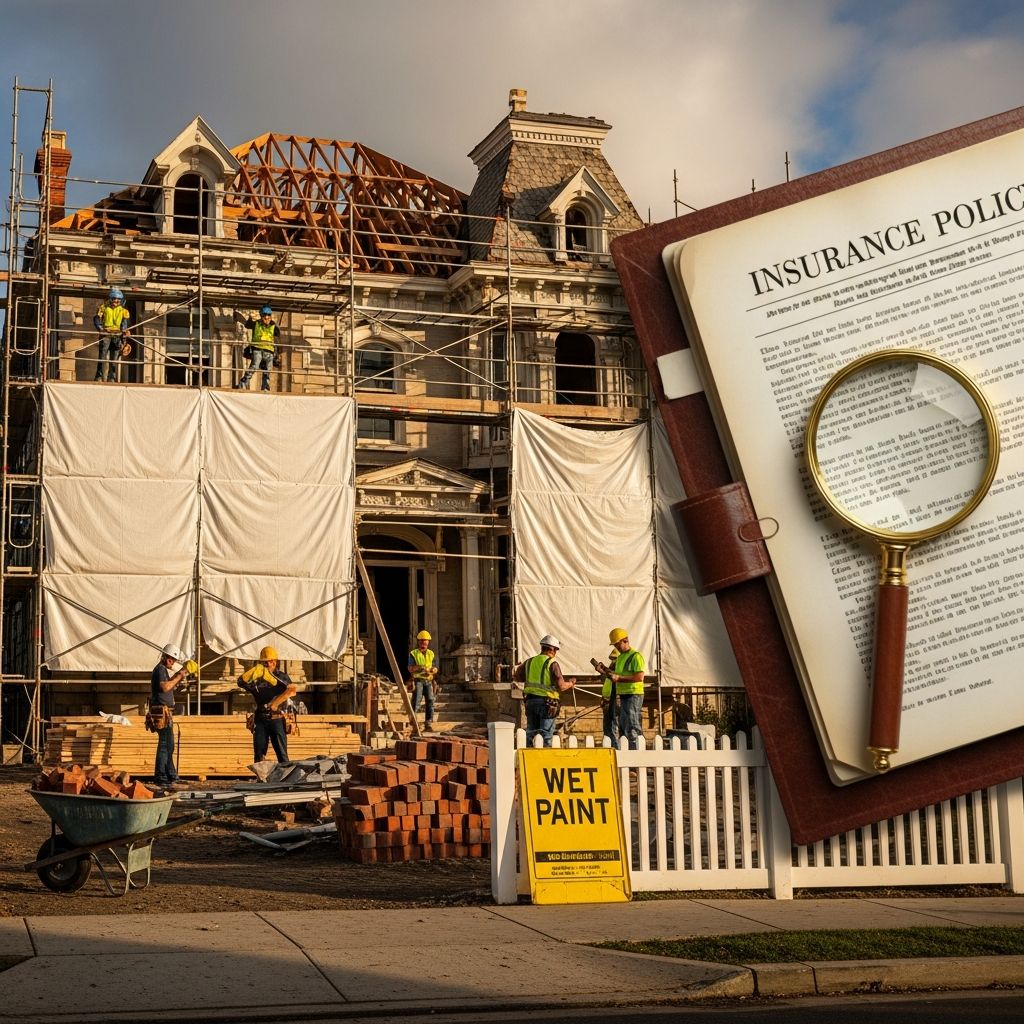
Homeowners often invest in renovations to enhance living spaces, boost property values, and improve functionality. However, these changes can significantly alter homeowners insurance premiums. Upgrades that increase a home’s replacement value typically lead to higher costs, while safety-focused improvements may qualify for discounts. Understanding these dynamics helps homeowners avoid underinsurance or overpayment.
Why Renovations Influence Your Premiums
Insurance premiums are calculated based on the cost to rebuild or repair your home after a covered loss. When renovations add square footage, install luxury materials, or introduce new features, they elevate this replacement cost, prompting insurers to adjust coverage limits and rates upward. Conversely, projects that mitigate risks like fire, water damage, or weather exposure can reduce premiums by demonstrating lower claim potential.
Factors such as location, home age, and local building costs also play roles. For instance, in areas prone to storms, resilient upgrades gain extra value. Always notify your insurer before major work to ensure temporary coverage during construction and accurate post-project rates.
Upgrades That Typically Raise Insurance Premiums
Certain renovations boost your home’s market and rebuild value, directly impacting dwelling coverage—the portion of your policy covering the structure itself. Failing to update limits can result in payout shortfalls during claims.
- Adding Living Space: Finishing a basement, building an addition, or expanding rooms increases square footage. This raises rebuilding expenses, often by 10-20% or more depending on size. For example, a new garage or second-story bedroom demands higher Coverage A limits.
- Kitchen and Bathroom Overhauls: High-end finishes like granite counters, custom cabinets, or premium appliances inflate replacement costs. Reports indicate such projects can recoup 50%+ in value but require dwelling coverage hikes.
- Luxury Building Materials: Switching to porcelain tiles, hardwood floors, or designer fixtures adds elegance but elevates repair expenses, pushing premiums up.
- Outdoor Features like Pools or Spas: These introduce liability risks and higher maintenance costs, often increasing both property and personal liability premiums.
| Renovation Type | Potential Premium Impact | Why It Increases Costs |
|---|---|---|
| Room Addition | +15-25% | Higher square footage and rebuild value |
| Kitchen Remodel (High-End) | +5-15% | Expensive materials and appliances |
| Pool Installation | +10-20% | Liability and maintenance risks |
Improvements That Can Lower Your Rates
Not all renovations cost more; many enhance safety and durability, earning discounts from insurers eager to reward risk reduction. These changes address common claim drivers like weather, fire, and water damage.
- Roof Replacement: A new impact-resistant roof protects against storms and hail, potentially saving 10-30% on premiums, especially for roofs over 15 years old. Insurers factor in material quality and age.
- Electrical System Modernization: Updating outdated wiring and breakers cuts fire risks, a top claim cause. Discounts of 5-15% are common.
- Plumbing Upgrades: New pipes and fixtures prevent leaks and bursts, reducing water damage claims and yielding rate reductions.
- HVAC and Appliance Replacements: Energy-efficient, modern systems lower failure risks tied to fires or floods.
- Security Enhancements: Installing alarms, smart locks, or fire-resistant materials can unlock additional discounts.
To claim these savings, provide documentation like receipts, photos, or contractor invoices. Insurers may inspect or require proof before applying credits.
Steps to Manage Insurance During Renovations
Proactive communication prevents coverage gaps. Here’s a streamlined process:
- Pre-Project Consultation: Discuss plans with your agent to estimate premium changes and secure builder’s risk coverage for construction phases.
- Track Changes: Document all upgrades, costs, and square footage increases for accurate policy updates.
- Reassess Coverage Limits: Aim for dwelling coverage at 80-100% of replacement cost; use insurer tools or appraisers for valuations.
- Review Personal Property: New furniture or electronics may need scheduled items or higher limits under replacement cost coverage.
- Shop for Discounts: Compare quotes post-renovation, as providers vary in crediting safety features.
Common Pitfalls and How to Avoid Them
Overlooking renovations leads to underinsurance, where claims pay only policy limits, leaving you to cover differences. Recent data shows replacement costs rose 13%+ due to inflation, amplifying this risk. Other mistakes include assuming minor updates don’t matter or delaying notifications, which can void claims.
Mitigate by scheduling annual policy reviews and using online calculators for replacement cost estimates. In high-risk areas, fortified roofing or storm shutters offer amplified savings.
Regional and Market Considerations
Premium shifts vary by location. Coastal or wildfire-prone zones prioritize resilient features like metal roofs for bigger discounts. Inflation and supply chain issues have driven 24% average premium hikes recently, making timely updates essential. Bundling with auto insurance or loyalty discounts can offset increases.
FAQs
Do I need to tell my insurer about small renovations?
Yes, even minor updates like new flooring can affect replacement costs. Notify for any project over $5,000 or altering structure/value.
How much does a new roof save on insurance?
Savings range 10-35%, depending on age, materials, and location. Provide proof for immediate credit.
What if my renovation is underway?
Switch to builder’s risk insurance temporarily, then revert and update standard policy.
Can renovations affect my credit score?
Indirectly, via financing, but proper insurance prevents claim issues that could impact finances.
Are there tax benefits for insurance-related upgrades?
Safety improvements like security systems may qualify for credits; consult a tax advisor.
Long-Term Strategies for Cost Control
Beyond immediate changes, maintain your home to preserve discounts. Regular inspections, energy-efficient choices, and community programs for fortification can compound savings. Partnering with insurers offering renovation endorsements ensures seamless protection.
Ultimately, renovations are investments—balance enjoyment with financial safeguards by aligning coverage precisely.
References
- The Impact of Home Improvements on Insurance Costs — Driven Insurance. 2023. https://www.driveninsurance.com/blog/the-impact-of-home-improvements-on-insurance-costs/
- 7 Renovations That Can Impact Your Home Insurance — The Rustic Brush. 2023. https://therusticbrush.com/blog/7-renovations-that-can-impact-your-home-insurance/
- Thinking About Renovating? Here’s How It Could Affect Your Home Insurance — Hotchkiss Insurance. 2024-01-15. https://hotchkissinsurance.com/insights-and-resources/thinking-about-renovating-heres-how-it-could-affect-your-home-insurance
- 6 Home Renovations that Can Affect Your Insurance — Travelers Insurance. 2023. https://www.travelers.com/resources/home/renovation/6-home-renovations-that-can-affect-your-insurance
- How Home Renovations Can Impact Your Insurance Premium — IGA Insurance. 2024. https://iga.biz/how-home-renovations-can-impact-your-insurance-premium/
- Home renovations that can cut insurance costs — CBS News. 2024-03-20. https://www.cbsnews.com/news/home-renovations-that-can-cut-insurance-costs/
- How Home Renovations Impact Insurance Coverage and Rates — Alex Insurance. 2023. https://alexins.com/rate-hikes-and-roof-spikes-7-reasons-your-home-insurance-costs-are-skyrocketing/
- How Home Improvements Can Affect Your Insurance — Wawanesa Insurance. 2024-02-10. https://www.wawanesa.com/us/blog/how-home-improvements-can-affect-your-insurance
Similar Articles








Read full bio of medha deb