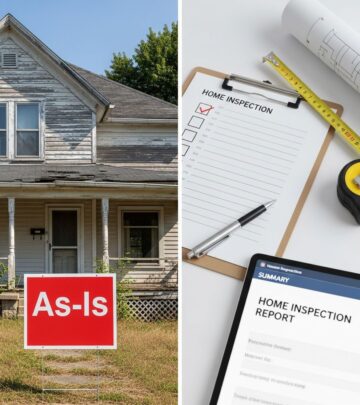
Home Renovation vs. As-Is Sale Strategy
Compare renovation investments against as-is selling to maximize returns and minimize hassle.
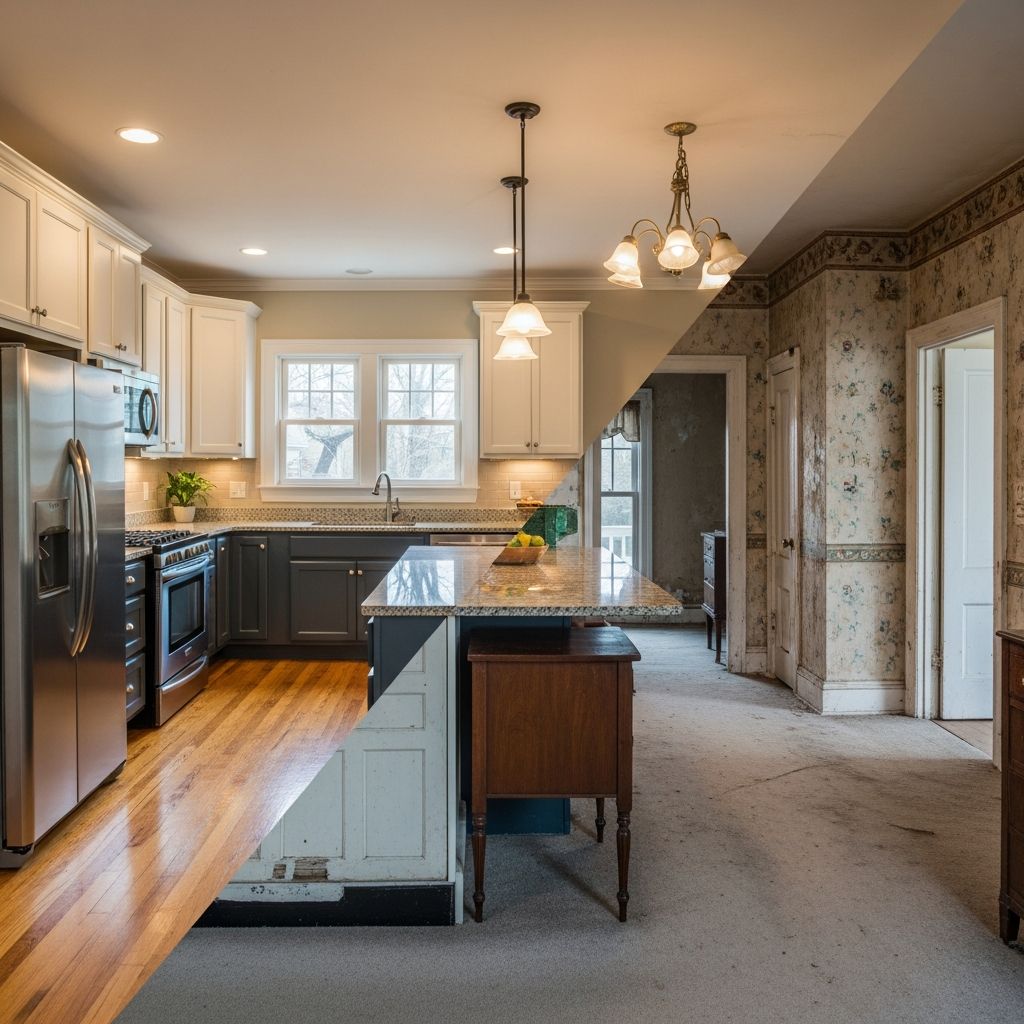
One of the most consequential decisions homeowners face when preparing to sell is whether to invest significant resources into renovations or to list the property in its current condition. This choice carries substantial financial implications and depends on multiple interconnected factors including market dynamics, property condition, personal timeline, and financial capacity. Understanding both pathways helps sellers navigate this decision with greater clarity and confidence.
Understanding the Core Considerations Before Making Your Choice
The decision to renovate or sell as-is is not one-size-fits-all. Rather than applying a universal formula, successful sellers evaluate their unique situation comprehensively. According to the 2025 Remodeling Impact Report by the National Association of REALTORS® and the National Association of the Remodeling Industry, real estate professionals recognize that strategic planning matters more than reflexive upgrades. Begin by assessing what truly influences buyer perception and purchase decisions in your specific market segment.
Several fundamental questions should guide your thinking: How quickly do you need to sell? What is your available budget for improvements? What condition is your home currently in? Who represents your primary buyer demographic? Does your local market favor turnkey properties or attract investors seeking projects? These questions form the foundation of a sound selling strategy.
The Financial Reality of Major Renovation Projects
Many homeowners overestimate the return they will receive on extensive renovation investments. Research consistently demonstrates that comprehensive remodeling projects frequently recover only 50% to 70% of their costs at resale. This gap between investment and recovery represents a significant financial consideration that cannot be ignored.
For example, a complete kitchen renovation averaging $75,000 might only return approximately $45,000 in added home value. Similarly, major bathroom overhauls typically fail to deliver dollar-for-dollar returns. These statistics highlight why strategic restraint often proves more financially prudent than aggressive modernization.
However, certain targeted improvements demonstrate stronger return potential. According to real estate professionals’ recommendations:
- A new steel front door achieves 100% return on investment
- Closet renovations recover approximately 83% of costs
- Kitchen upgrades undertaken strategically can significantly improve property appeal
- Fresh interior paint in neutral colors provides excellent visual impact relative to cost
- Updated lighting fixtures modernize spaces affordably
The principle known as the “30% rule” suggests that renovation spending should not exceed 30% of your home’s current market value. This guideline prevents sellers from over-investing in improvements that won’t generate proportional returns.
Strategic Upgrades That Deliver Measurable Impact
Rather than comprehensive renovations, many real estate professionals recommend strategic cosmetic improvements that enhance buyer perception without consuming excessive budgets or timelines. Professional realtors frequently prioritize two specific categories of work before listing: interior painting and roof assessment.
Painting represents perhaps the highest-impact affordable improvement. Whether refreshing the entire interior or targeting key rooms, neutral color selections help buyers envision themselves in the space. This psychological benefit translates into faster sales and stronger offers relative to the modest investment required.
Minor kitchen and bathroom updates offer secondary priority status. Rather than complete overhauls, consider targeted enhancements such as new cabinet hardware, updated countertop treatments, fresh vanities, or modern fixtures. These improvements create the impression of a well-maintained property without the substantial costs of full renovations.
Additional budget-conscious improvements include landscaping refreshment, updated lighting throughout the home, and resanded hardwood floors if present. These work together to create compelling listing photographs that attract serious buyer inquiries.
When Renovation Investment Makes Strategic Sense
Certain market conditions and property scenarios warrant renovation investment before listing. Homeowners in competitive or high-end neighborhoods often discover that buyers expect modernized kitchens and bathrooms. When comparable properties in your area feature updated systems and finishes, potential buyers may overlook dated properties, regardless of other merits.
Renovation becomes most logical when:
- Your neighborhood represents a high-demand, upscale market segment where buyers expect turnkey conditions
- Insurance coverage or claims reimburse renovation costs, effectively reducing your out-of-pocket expense
- Comparable property analysis shows renovated homes selling significantly faster or commanding substantially higher prices
- Your home requires only one or two key upgrades to reach top-tier pricing within your market
- You possess adequate time and financial resources to execute improvements thoroughly rather than rushing through incomplete work
- Storm damage or similar structural issues exist that need addressing regardless of sale plans
Additionally, if your home maintains solid bones but appears dated, cosmetic refreshment might represent the ideal middle ground between minimal effort and comprehensive renovation.
The Advantages of Selling Your Home Without Improvements
Selling as-is carries legitimate advantages that appeal to many property owners, particularly those facing time constraints or financial limitations. This approach eliminates the financial burden of repairs and renovations, preserving capital for your next property purchase. Sellers avoid the stress, hassle, and coordination challenges associated with managing contractors, inspections, and project timelines.
Properties requiring substantial work often attract investors and fix-and-flip buyers actively seeking projects. These buyers frequently represent motivated purchasers who understand property potential and can close transactions efficiently. In markets where investor activity dominates, selling as-is eliminates pricing negotiations that might otherwise occur if you attempted cosmetic improvements that ultimately don’t align with investor goals.
When land value exceeds structure value—such as properties situated on premium lots destined for teardown and reconstruction—selling as-is proves economically sensible. Investing in home improvements for a structure that will be demolished represents poor financial stewardship.
Real estate professionals recount instances where as-is listings in hot markets achieved exceptional results. One example involved a $650,000 property that sold for $655,000 as-is, allowing the seller to depart quickly without managing upgrades or improvements. The seller achieved premium pricing precisely because the market conditions and buyer profile aligned perfectly with an as-is sale.
The Trade-offs of Listing Property Without Improvements
Selling as-is typically results in lower purchase offers, as buyers factor anticipated repair costs into their pricing calculations. In some markets like Atlanta, as-is sales command prices 5% to 10% below comparable renovated properties. This price reduction can substantially impact your net proceeds from the sale.
As-is listings also attract a narrower buyer pool. Many purchasers specifically seek move-in-ready homes and actively avoid properties requiring work. This reduced buyer pool can extend time on market, potentially costing you money through carrying costs, property taxes, and marketing expenses accumulating over months of unsold inventory.
Market perception presents an additional challenge. Properties listed as-is sometimes develop a stigma in buyers’ minds, with potential purchasers assuming hidden issues or serious problems exist. This negative perception can generate lowball offers and encourage extended marketing periods.
Balancing Preparation with Authenticity
An important nuance exists between selling truly as-is and presenting your home negligently. Professional realtors emphasize that even as-is listings require thoughtful preparation. Cleaning, decluttering, and basic curb appeal investments cost relatively little but dramatically improve how potential buyers perceive your property.
The distinction lies between cosmetic refreshment—which enhances presentation—and substantial structural improvements. Basic maintenance like ensuring clean interiors, functional lighting, and attractive landscaping should accompany any as-is listing. These relatively inexpensive measures prevent further price reductions that result from poor initial impressions.
Evaluating Your Market and Buyer Demographics
Market analysis should heavily influence your renovation decision. Research comparable properties recently sold in your area, noting their condition and sale prices. Contact local real estate professionals who understand neighborhood trends and buyer preferences in your specific segment.
Investor-heavy markets often show different patterns than buyer-oriented markets. In areas where fix-and-flip activity dominates, as-is sales frequently generate competitive offers without requiring cosmetic work. Conversely, markets where primary residence buyers predominate typically reward homes presented in move-in-ready condition.
Personal Circumstances and Timeline Considerations
Your individual situation significantly influences the renovation-versus-as-is calculation. If life changes such as job relocations, personal circumstances, or estate management require quick property disposition, selling as-is preserves valuable time. The financial cost of rapid sale might prove preferable to months spent managing renovation projects.
Conversely, if you can afford to wait several additional months and possess the financial capacity to invest in strategic improvements, the potential price difference might justify the investment. Evaluate whether increased proceeds would exceed all renovation costs, contractor management stress, and extended market time.
The Role of Professional Guidance in Your Decision
Real estate professionals bring valuable market insights that individual sellers often lack. Licensed realtors understand local buyer preferences, current inventory levels, absorption rates, and pricing trends. They can provide comparable market analysis showing how your home’s condition affects positioning relative to similar properties.
Professional recommendations from the National Association of REALTORS® emphasize that successful sellers evaluate long-term goals, lifestyle needs, and budgets comprehensively. If renovation costs threaten your ability to afford your next home, selling in current condition makes financial sense regardless of potential price increases.
Creating Your Action Plan
Develop a decision matrix evaluating your specific scenario. List your timeline requirements, available budget, market conditions in your area, comparable sales data, and personal preferences. Assign importance weighting to each factor based on your priorities.
If you lean toward renovation, identify specific improvements demonstrating strong ROI in your market segment. Obtain multiple contractor quotes, establish realistic timelines, and build contingency buffers into both budget and schedule. If committing to improvements, execute them thoroughly rather than rushing incomplete projects.
If pursuing an as-is sale, invest modestly in presentation improvements—cleaning, minor repairs, landscaping enhancement—that don’t require substantial investment or time. Price competitively based on comparable as-is sales, and market the property to investor and fix-and-flip audiences likely to appreciate your home’s potential.
Frequently Asked Questions
What renovations offer the best return on investment?
Strategic improvements like new steel front doors (100% ROI), closet renovations (83% ROI), fresh interior paint, updated lighting, and minor kitchen or bathroom updates tend to deliver strongest returns relative to investment. Full kitchen renovations typically recover only 60% of costs.
Should I always renovate before selling?
No. Renovation makes sense primarily in competitive high-end markets where buyers expect modern conditions, when you have time and capital to do quality work, or when comparable analysis shows renovated homes selling significantly faster. In investor-dominated markets or when selling urgent situations exist, as-is sales often prove more practical.
How much price reduction should I expect from an as-is sale?
As-is properties typically sell for 5% to 10% below comparable renovated homes in many markets, though variations exist based on local conditions, buyer demographics, and property characteristics.
Can I sell my home as-is and still get a good price?
Yes, particularly if your property sits on valuable land, you’re in a hot market attracting investors, or you have invested in basic presentation improvements like cleaning and minor repairs. Strategic pricing and targeted marketing to appropriate buyer segments improve outcomes.
What should I do if I’m selling as-is?
Ensure your home is thoroughly cleaned, well-lit, and attractively landscaped. Address obvious repair needs if budget permits. Price competitively based on comparable as-is sales. Market to investor and fix-and-flip audiences who appreciate project potential.
References
- Should You Sell Your Home As Is, or Spring for a Renovation? — Realtor.com. Accessed 2026. https://www.realtor.com/advice/sell/should-you-sell-your-house-as-is-or-upgrade/
- Renovate or Just Sell? Pros And Cons Of Selling Your Home “As Is” — YouTube. Accessed 2026. https://www.youtube.com/watch?v=HjR5Umwy3eM
- Renovate or Sell As-Is? What Adds Real Value — Tri-Town Construction. Accessed 2026. https://www.tri-townconstruction.com/blog/renovate-vs-sell-as-is-guide/
- Is It Better to Renovate or Sell As-Is? — Redfin. Accessed 2026. https://www.redfin.com/blog/renovate-or-sell-as-is/
- 2025 Remodeling Impact Report: Should I Remodel My Home Before I Sell? — National Association of REALTORS® and National Association of the Remodeling Industry. 2025. https://www.nar.realtor/blogs/styled-staged-sold/should-i-remodel-my-home-before-i-sell
Similar Articles








Read full bio of medha deb