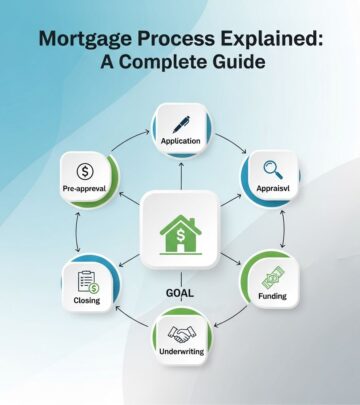
Home Purchase Journey: A Complete Roadmap
Navigate the entire home buying process with confidence and clarity

Purchasing a home represents one of the most significant financial and personal decisions most people make in their lifetime. The process involves numerous steps, documents, and decisions that can feel overwhelming without proper guidance. This comprehensive guide breaks down the entire home acquisition process into manageable stages, helping you understand what to expect and how to prepare for each phase.
Establishing Your Financial Foundation
Before beginning your search for the perfect property, you must first understand your financial position and capacity to borrow. This foundational step determines not only whether you can purchase a home, but also what price range is realistic for your situation.
Start by reviewing your credit score, as lenders use this information to assess your creditworthiness and determine interest rates. A higher credit score typically qualifies you for better loan terms. Simultaneously, calculate your total available funds for a down payment and examine your existing debts, including credit card balances, student loans, and auto payments. Understanding your debt-to-income ratio helps you recognize how much monthly mortgage payment you can comfortably afford alongside other obligations.
Set a realistic budget based on your financial circumstances. Many experts recommend that your total housing expenses—including mortgage, property taxes, insurance, and homeowners association fees—should not exceed 28 percent of your gross monthly income. Your total monthly debt payments, including the new mortgage, should remain below 36 percent of gross income.
Obtaining Mortgage Preapproval
Once you understand your financial readiness, the next critical step is securing mortgage preapproval. This process differs from a simple prequalification, as it involves a thorough examination of your financial documents and creditworthiness.
During preapproval, a lender reviews your income documentation, employment history, assets, and liabilities to determine the maximum loan amount you qualify for. You’ll typically need to provide recent pay stubs, W-2 forms, bank statements, and possibly tax returns. The lender will also pull your credit report to verify your credit score and history.
A preapproval letter serves multiple purposes. It confirms to real estate agents and sellers that you have verified funds and serious intent to purchase. When competing with other buyers, a preapproval letter demonstrates you’re a qualified buyer, potentially strengthening your negotiating position. This letter also provides clarity on your budget, preventing you from wasting time viewing homes outside your price range.
Selecting Your Real Estate Team
Navigating the home purchase market is significantly easier with professional guidance. A qualified real estate agent brings market knowledge, access to property listings, negotiation skills, and guidance through complex procedures.
When selecting an agent, look for someone with experience in your desired area who understands your specific needs and preferences. Interview multiple agents before making a decision. A good agent should listen carefully to your requirements, be responsive to your questions, and demonstrate knowledge of local market conditions, property values, and neighborhood characteristics.
In addition to a real estate agent, you may benefit from other professionals, including a mortgage loan officer, real estate attorney (required in some states), home inspector, and insurance agent. Your loan officer becomes your primary contact throughout the mortgage process, addressing questions and coordinating document collection.
Conducting Your Property Search
With preapproval secured and your real estate team in place, you can now begin actively searching for properties that meet your criteria and budget.
Before viewing homes, clarify your priorities by creating a list distinguishing between absolute must-haves and features that would be nice but aren’t essential. Must-haves might include proximity to good schools, a minimum number of bedrooms, or specific location requirements. Deal-breakers could be properties with certain structural issues, layouts you can’t live with, or features you actively dislike.
When viewing properties, limit yourself to three or four homes per session to avoid decision fatigue and maintain clarity about each property’s advantages and disadvantages. Beyond the interior features, evaluate the surrounding neighborhood by observing:
- Traffic patterns and noise levels
- Parking availability and street conditions
- Proximity to essential services and amenities
- General neighborhood appearance and maintenance
- Property values and market trends in the area
Maintain detailed notes about each property you visit, including photographs and a comparative analysis of how it stacks up against others you’ve seen. This documentation becomes invaluable when making your final decision, especially if you’re evaluating multiple properties.
Preparing and Submitting Your Offer
Once you’ve identified the right property, you’re ready to make an offer. This step involves more strategic thinking than simply naming a price.
Your offer should include several key components. The purchase price is only the beginning; you must also decide on your earnest money deposit, a financial commitment showing good faith in your intent to purchase. This deposit, typically held in escrow, demonstrates to the seller that you’re serious about the transaction.
Structure your offer to include contingencies that protect your interests. Common contingencies include:
- Home inspection contingency—allows you to conduct a professional inspection and potentially renegotiate if significant issues are discovered
- Financing contingency—protects you if you cannot secure mortgage approval
- Appraisal contingency—addresses situations where the home appraises for less than your offer price
- Title contingency—ensures the property has a clear title free of liens or claims
Your offer should also specify a closing date, allowing sufficient time for inspections, appraisals, and mortgage processing. A well-structured offer signals to the seller that you’re organized, informed, and serious about completing the purchase.
The Due Diligence Phase
After the seller accepts your offer, the transaction moves into a critical evaluation period where you verify the property’s condition, value, and title status.
Home Inspection
A professional home inspection examines the property’s structural integrity, mechanical systems, electrical components, plumbing, and overall condition. The inspector produces a detailed report identifying any deficiencies, from minor maintenance issues to significant structural problems. Review this report carefully with your real estate agent, discussing which issues warrant concern and which are typical for properties of that age and type.
Property Appraisal
The lender requires an appraisal to ensure the property’s value supports the loan amount. The appraiser compares your property to similar recently sold homes in the area, determining fair market value. If the appraisal comes in lower than your offer price, you have several options: renegotiate the price with the seller, increase your down payment, or potentially withdraw from the transaction if your contingency allows.
Title Search and Insurance
A title company conducts a thorough search to verify the seller legally owns the property and that no liens, easements, or other encumbrances cloud the title. Title insurance protects you against future claims challenging your ownership, providing essential protection for one of your largest assets.
Finalizing Your Mortgage
While inspections and appraisals occur, your mortgage application moves through the lender’s underwriting process. During underwriting, the lender’s team verifies all information you provided, assesses risk factors, and may request additional documentation or explanations.
Stay in close contact with your loan officer during this phase. Respond promptly to any requests for additional documents or clarifications, as delays can slow the entire process. Your lender will also order the appraisal and verify employment and assets as the closing date approaches.
Once underwriting is complete and the appraisal is approved, you’ll receive a “clear to close” notice. At this point, your loan officer will provide your final loan documents, including the note and mortgage or deed of trust. Review these documents carefully, confirming the loan amount, interest rate, loan term, and monthly payment amount. Lock in your interest rate and set a firm closing date.
Securing Homeowners Insurance
Before closing, you must obtain homeowners insurance and provide proof of coverage to your lender. This insurance protects your home and personal property against damage from fire, theft, weather events, and other covered perils. It also provides liability protection if someone is injured on your property.
Shop around with multiple insurance companies to compare coverage options and premiums. Consider the replacement cost of your home, the value of your personal property, and appropriate liability limits. Many lenders require that your insurance policy’s coverage amount equal or exceed the loan amount.
The Closing Process
Closing day represents the final step where ownership officially transfers to you. This process involves signing numerous documents and making final financial arrangements.
Before closing, you’ll receive a Closing Disclosure document at least three days prior to settlement. This document outlines all loan terms, closing costs, and the cash amount you need to bring to closing. Review it carefully, comparing it to your original Loan Estimate and ensuring all figures are accurate.
At closing, you’ll complete several critical actions:
- Sign the settlement statement detailing all transaction costs and how funds are distributed
- Sign the mortgage note confirming your commitment to repay the loan according to specified terms
- Sign the mortgage or deed of trust document that secures the lender’s interest in the property
- Sign the deed transferring ownership from seller to buyer
- Provide funds for your down payment and closing costs, typically via wire transfer to the escrow account
The title company ensures the deed is properly recorded with the local government, officially making you the property owner. They also disburse funds to the seller, real estate agents, lenders, and any other parties entitled to payment from the transaction proceeds.
Frequently Asked Questions
How long does the home buying process typically take?
Most transactions require 30 to 45 days from offer acceptance to closing, though this timeline can vary based on inspection findings, appraisal issues, or underwriting complications. Complex situations may extend the timeline significantly.
What are typical closing costs?
Closing costs typically range from 2 to 5 percent of the purchase price and include loan origination fees, appraisal costs, title insurance, attorney fees, property taxes, and homeowners insurance. Your Closing Disclosure provides an itemized breakdown.
Can I negotiate after inspection findings?
Yes, if the inspection reveals significant issues, you can request that the seller make repairs, offer credits to cover repair costs, or renegotiate the purchase price. The seller may refuse, accept your proposal, or make a counter-offer.
What happens if the appraisal is lower than my offer?
If the home appraises below your offer price, you can renegotiate with the seller, increase your down payment to cover the difference, or withdraw if your appraisal contingency permits.
Do I need a real estate attorney?
Requirements vary by state. Some states require attorney involvement in all transactions, while others make it optional. Consult your lender and local real estate professionals regarding your area’s requirements.
References
- Buying a home in 10 steps — Homes.com. 2024. https://www.homes.com/learn/buyer-guide/
- Buying a Home — U.S. Department of Housing and Urban Development. 2024. https://www.hud.gov/helping-americans/buying-a-home
- How to buy a house: Your step-by-step guide to buying in 2025 — Rocket Mortgage. 2025. https://www.rocketmortgage.com/learn/how-to-buy-a-house
- The Homebuying Process for First-Time Homebuyers — Achieve Financial Credit Union. 2024. https://www.achievefinancialcu.com/Services/Financial-Education-Center/Financial-Articles/The-Homebuying-Process-for-First-Time-Homebuyers
- Buying a house — Consumer Financial Protection Bureau. 2024. https://www.consumerfinance.gov/owning-a-home/
Similar Articles








Read full bio of medha deb