Home Protection: Understanding Warranties and Insurance
Discover how home warranties and homeowners insurance protect your investment differently.

Homeowners face numerous decisions when protecting their most valuable asset. Two critical protection mechanisms available to property owners are home warranties and homeowners insurance. While both offer financial protection for your home, they serve distinctly different purposes and cover different scenarios. Understanding the distinction between these two types of coverage is essential for making informed decisions about your home’s security and your financial well-being.
The Fundamental Distinction Between Coverage Types
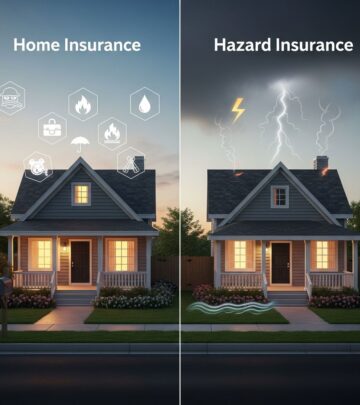
The most significant difference between home warranties and homeowners insurance lies in what they cover and when coverage applies. Homeowners insurance protects against unexpected, catastrophic events, while home warranties focus on the gradual deterioration of systems and appliances. Think of homeowners insurance as protection against the unlikely but devastating, while home warranties address the probable maintenance issues you’ll encounter throughout your home’s life.
When a sudden storm damages your roof or a fire sweeps through your neighborhood, homeowners insurance steps in. Conversely, when your ten-year-old air conditioning unit fails on a sweltering summer day or your washing machine stops functioning properly, a home warranty provides the financial support for repairs or replacement.
What Homeowners Insurance Covers
Homeowners insurance provides comprehensive protection for your entire property and its contents. The coverage extends far beyond what many people initially consider.
Primary Coverage Components
- Structural protection: Covers repairs or rebuilding of your home following damage from fire, hurricanes, hail, lightning, or other named perils specified in your policy
- Personal property coverage: Protects your belongings including furniture, clothing, jewelry, and electronics if they are stolen or destroyed
- Liability protection: Safeguards you against legal claims if someone is injured on your property; covers medical expenses and legal costs related to such incidents
- Additional living expenses: Covers temporary housing and related costs while your home is being repaired or rebuilt after a covered disaster
- Detached structures: Extends protection to separate buildings on your property such as garages, sheds, or fences
Homeowners insurance is designed to cover sudden, unexpected events that would result in significant financial hardship. It protects against events that are unlikely to occur but would be catastrophically expensive if they did. However, homeowners insurance explicitly excludes coverage for damage resulting from normal wear and tear, routine maintenance issues, or gradual deterioration of systems and appliances.
What Home Warranties Cover
Home warranties take a completely different approach to home protection. Rather than covering catastrophic events, they address the predictable breakdowns and failures that occur as home systems and appliances age.
Common Coverage Options
Home warranty plans typically come in three primary configurations:
- Systems-only plans: Focus exclusively on major home systems such as plumbing, electrical systems, HVAC units, and water heaters
- Appliance-only plans: Limit coverage to major household appliances including refrigerators, dishwashers, ovens, washing machines, and garage door openers
- Comprehensive plans: Cover both major home systems and appliances, providing the broadest range of protection available through a warranty provider
When a covered item breaks down due to normal wear and tear, the warranty holder simply contacts the service provider, pays a predetermined service fee, and a technician is dispatched to diagnose and repair the problem. If the item cannot be repaired cost-effectively, the warranty company typically covers the cost of replacement.
Comparing Coverage Scenarios
| Situation | Home Warranty Covers | Homeowners Insurance Covers |
|---|---|---|
| HVAC system fails during summer | Yes | No |
| Lightning strikes roof | No | Yes |
| Refrigerator stops working | Yes (with appliance coverage) | No |
| Severe hailstorm damages exterior | No | Yes |
| Plumbing line leaks due to age | Yes | No |
| Theft of personal belongings | No | Yes |
| Water heater develops corrosion | Yes | No |
| Hurricane causes property damage | No | Yes |
Cost Comparison and Affordability
One of the most compelling reasons homeowners consider both types of coverage is the significant difference in cost. Home warranties are substantially more affordable than homeowners insurance.
Home Warranty Costs
Home warranties typically cost between $350 and $900 annually, translating to roughly $20 to $75 per month. Most plans include a service fee per claim, ranging from $75 to $125 per service call. Some providers offer monthly payment plans starting as low as $20 per month, making warranties accessible to budget-conscious homeowners.
Homeowners Insurance Costs
Homeowners insurance is considerably more expensive. The annual cost typically ranges from $610 to over $6,000 depending on numerous factors. For a home valued at $300,000, the average annual homeowners insurance cost is approximately $2,532. Factors influencing this cost include:
- Your home’s age and construction quality
- Your geographic location and regional risk factors
- Local crime rates and theft statistics
- Proximity to fire stations and water sources
- Your deductible amount
- Your claims history
- Weather-related risks in your area
Homeowners in areas prone to natural disasters like floods, hurricanes, or earthquakes typically face significantly higher premiums. Additionally, most homeowners insurance policies require you to pay a deductible before coverage begins. For example, with a $1,000 deductible, if a storm causes $2,100 in damage, you pay $1,000 and your insurance covers the remaining $1,100.
Mandatory Requirements and Optional Protection
An important distinction between these two types of coverage involves whether they are required. Homeowners insurance is mandatory if you have a mortgage on your property. Lenders require this coverage as a condition of the loan to protect their financial interest in your home. Without homeowners insurance, you cannot legally obtain a mortgage in most jurisdictions.
Home warranties are entirely optional. You cannot obtain a home warranty through your mortgage lender, and it is never a requirement for financing. Many homeowners choose to purchase warranties after they own their homes outright or as an additional protection layer beyond their required homeowners insurance.
Coverage Limits and Exclusions
Understanding what is not covered by each type of protection is equally important as understanding what is covered.
Homeowners Insurance Exclusions
Standard homeowners insurance policies do not cover damage from floods or earthquakes. These natural disasters require separate, specialized insurance policies. Additionally, homeowners insurance explicitly excludes damage from wear and tear, lack of maintenance, or gradual system failure. If your roof leaks because of age and deterioration rather than a specific storm event, homeowners insurance will not cover the repair.
Home Warranty Limitations
Home warranties have lower annual coverage limits than homeowners insurance. Your total annual coverage might only be a few thousand dollars. Any repair or replacement costs exceeding your annual limit must be paid out of pocket. Additionally, many warranties exclude pre-existing conditions—problems that existed before you purchased the warranty. Items that are improperly installed or have been neglected are also typically excluded from coverage.
When to Consider Each Protection Type
Home Warranty is Ideal When:
- You want to protect your budget from frequent, smaller repair bills
- Your home’s systems and appliances are aging and prone to breakdown
- You prefer predictable monthly expenses over large surprise repair costs
- You want professional service provider coordination without searching for contractors
- You own your home outright and are not required to carry homeowners insurance
Homeowners Insurance is Essential When:
- You have a mortgage (it is required by your lender)
- You want comprehensive protection for your home’s structure and contents
- You live in an area prone to natural disasters or extreme weather
- You want liability protection if someone is injured on your property
- You have valuable personal possessions that need protection
Can You Have Both Types of Coverage?
The answer is absolutely yes. In fact, many homeowners benefit from carrying both homeowners insurance and a home warranty. These two types of coverage are complementary rather than competitive. Homeowners insurance provides the essential protection required by your mortgage lender and covers catastrophic events. A home warranty fills in the gap by covering routine maintenance issues and system breakdowns that homeowners insurance does not address.
This combination approach creates a comprehensive protection strategy. You have peace of mind knowing that both unlikely disasters and probable appliance failures are covered financially. The combined annual cost, while higher than either option alone, is often reasonable when you consider the financial risk you are protecting against.
Frequently Asked Questions
Do I need both homeowners insurance and a home warranty?
Homeowners insurance is mandatory if you have a mortgage. A home warranty is optional but can provide valuable additional protection by covering wear-and-tear failures that homeowners insurance excludes.
What happens if my HVAC system fails and I have no warranty?
You would pay the full cost of repair or replacement out of pocket, which can range from $3,000 to $8,000 depending on the system and your location. This is where a home warranty becomes financially valuable.
Does homeowners insurance cover appliance failures?
No. Homeowners insurance does not cover appliance failures from wear and tear. It only covers damage from covered perils like fire, theft, or weather events.
Can I purchase a home warranty if I rent my property?
Yes. Landlords can purchase home warranties to cover the systems and appliances in rental properties, protecting their investment and reducing maintenance costs.
Are home warranty service fees included in the monthly cost?
No. The monthly fee covers the warranty plan itself. Each service call includes a separate service fee, typically $75 to $125, which you pay when the service is requested.
Making Your Decision
Choosing between homeowners insurance and a home warranty is not an either-or decision for most homeowners. Homeowners insurance is non-negotiable if you have a mortgage, and it provides essential protection against catastrophic financial loss. A home warranty is an elective choice that makes sense when you want to minimize the financial impact of routine system and appliance failures.
Evaluate your home’s age, the condition of its systems and appliances, your local climate and weather risks, and your personal financial situation. Consider your risk tolerance for unexpected repair bills and whether you prefer predictable monthly expenses. With this information, you can determine the right combination of protections for your specific circumstances.
References
- Home Warranty vs. Home Insurance: Key Differences — NerdWallet. 2025. https://www.nerdwallet.com/home-ownership/home-warranty/learn/home-warranty-vs-home-insurance
- Home Warranty vs. Homeowners Insurance — AHS Home Matters. 2025. https://www.ahs.com/home-matters/cost-savers/whats-the-difference-homeowners-insurance-vs-home-warranty/
- Home warranty vs. home insurance — Rocket Mortgage. 2025. https://www.rocketmortgage.com/learn/homeowners-insurance-home-warranty
- Home Warranty vs. Home Insurance: What’s the Difference? — IGS Energy. 2025. https://www.igs.com/energy-resource-center/energy-101/what-is-the-difference-between-homeowners-insurance-and-a-home-warranty-plan
- Home Warranty vs. Home Insurance — Progressive Insurance. 2025. https://www.progressive.com/answers/home-warranty-vs-home-insurance/
Similar Articles








Read full bio of Sneha Tete