Home Lien: Definition, Types, and What You Need to Know
Understanding home liens: Legal claims on property, foreclosure rights, and how they affect homeownership.
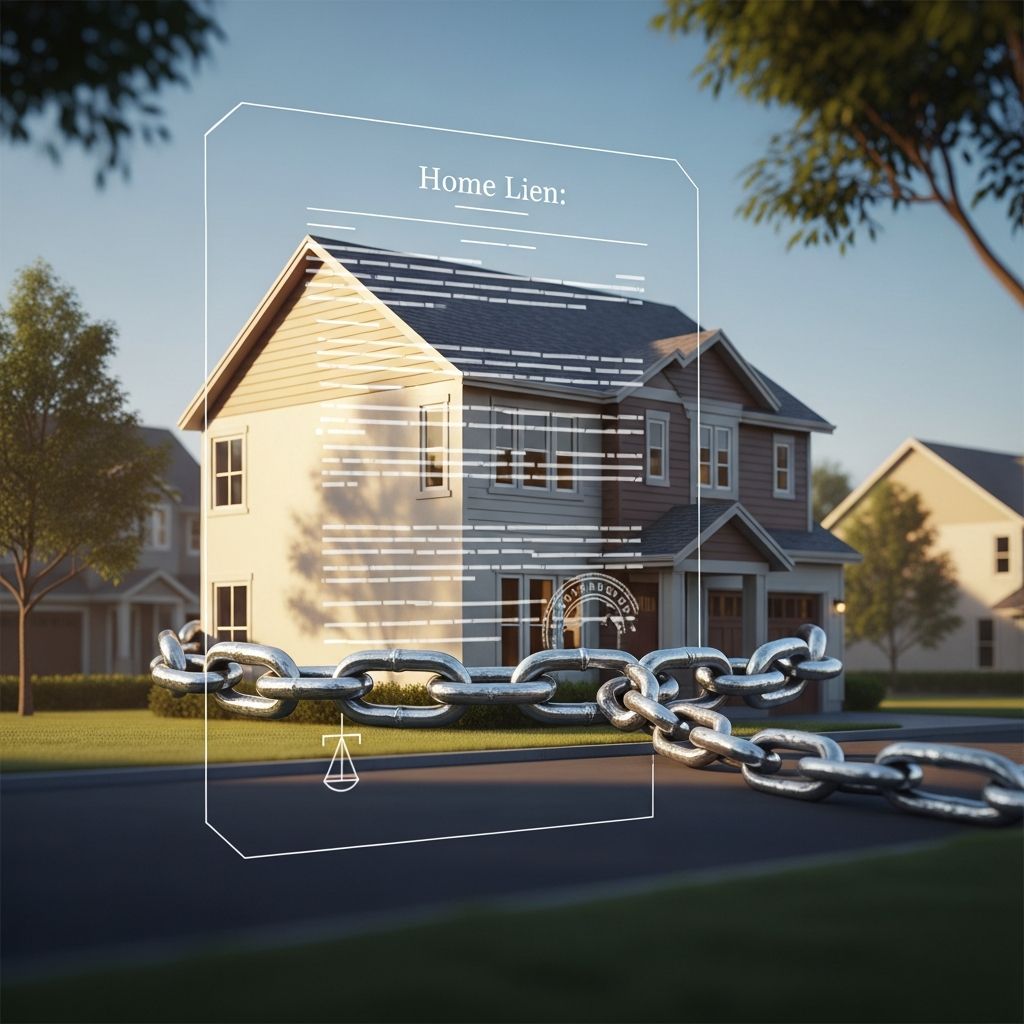
A home lien is a legal claim that a creditor or lender places on a residential property to secure a debt or financial obligation. When you finance a home purchase through a mortgage, the lender automatically places a lien on your property as collateral. This lien gives the creditor the legal right to take possession of your home if you fail to meet your financial obligations. Understanding home liens is essential for any homeowner, as they directly impact your ownership rights, your ability to sell or refinance your property, and your overall financial security.
Home liens serve as a protective mechanism for lenders and creditors, ensuring they have a way to recover their investment if the borrower defaults on payments. However, not all liens are created equal, and the type of lien placed on your property can significantly affect your situation as a homeowner. This comprehensive guide will explore what home liens are, how they work, the different types available, and what you need to know to protect your property interests.
Understanding the Basics of Home Liens
What Exactly Is a Home Lien?
A home lien is a legal claim against your residential property that secures a debt obligation. When a lien is placed on your home, it means that a creditor or lender has a legal interest in your property and can take action to satisfy the debt if you fail to pay. The lien essentially gives the creditor the right to foreclose on your property, forcing its sale to recover the unpaid debt amount.
It’s important to understand that a lien does not mean the creditor owns your home. You retain ownership of your property even with a lien in place, but the creditor has a legal claim against it. This claim remains on your property’s title until the debt is fully paid or the lien is formally released. The lien serves as a public record, meaning anyone searching your property’s title will see it.
How Home Liens Work
When you take out a mortgage to purchase a home, the lender records a lien on your property’s title as part of the loan agreement. This lien is security for the lender’s investment. While you own and live in the home, the lender holds a legal interest in it until you pay off the mortgage completely.
The lien gives the lender the right to initiate foreclosure proceedings if you default on your mortgage payments. In a foreclosure, the lender can force the sale of your property to recover the outstanding loan balance. The lien priority system determines who gets paid first when a property is sold or foreclosed upon. Generally, property tax liens take priority, followed by the first mortgage lien, then second mortgages and other voluntary liens, with involuntary liens following based on when they were recorded.
Types of Home Liens
Voluntary Liens
Voluntary liens are liens that you, as the property owner, consent to as part of a financing arrangement. These liens are typically created when you borrow money and pledge your home as collateral. Common types of voluntary liens include:
First Mortgage Lien: This is the primary lien on your home, created when you take out a mortgage to purchase or refinance your property. The first mortgage lender has priority over all other liens on the property.
Second and Third Mortgage Liens: These liens are created when you borrow additional money against your home’s equity through a second mortgage, home equity loan, or home equity line of credit (HELOC). These liens are subordinate to the first mortgage, meaning they are paid after the first mortgage in case of foreclosure or sale.
Purchase Money Mortgage Lien: This type of financing occurs when the seller of the property provides financing directly to the buyer rather than the buyer obtaining a traditional mortgage from a lender. This is often called seller financing or owner financing.
Energy Upgrade Lien: Through certain state-sponsored clean energy programs, homeowners can finance energy-efficient home improvements. The repayment is made through property tax collections, and a lien secures this type of financing.
Reverse Mortgage Lien: Available to homeowners age 62 and older, a reverse mortgage allows you to borrow against your home’s equity for income purposes. A lien secures this type of loan.
Involuntary Liens
Involuntary liens are placed on your property without your consent, typically as a result of unpaid debts or legal judgments. These liens can significantly impact your ability to sell or refinance your home. Common types of involuntary liens include:
Tax Liens: The IRS or local government can place a tax lien on your property if you fail to pay income taxes or property taxes. Tax liens have high priority and can lead to property seizure if not addressed.
Mechanic’s Lien: If you fail to pay a contractor, builder, or supplier for work performed or materials provided to your property, they can file a mechanic’s lien to secure payment.
Judgment Lien: When a creditor wins a lawsuit against you, they can place a judgment lien on your property as a way to secure payment of the judgment.
Child Support Lien: If you fall behind on court-ordered child support payments, the state can file a lien on your property to secure payment of past-due amounts.
HOA Lien: If you own a home in a homeowners association and fail to pay dues or assessments, the HOA can place a lien on your property. This type of lien can make it difficult or impossible to sell your home and can potentially lead to foreclosure if left unpaid.
Lien Priority and What It Means for You
Lien priority is a critical concept that determines the order in which liens are paid when a property is sold or foreclosed upon. Understanding priority helps you know where you stand if your property faces sale or foreclosure. The general priority order is:
1. Property Tax Liens – These liens have the highest priority and are paid first from the sale proceeds.
2. First Mortgage Liens – The primary mortgage lender is paid after property tax liens.
3. Second and Third Mortgage Liens – Additional mortgages are paid in the order they were recorded, after the first mortgage.
4. Involuntary Liens – Other involuntary liens are paid based on the date they were recorded, with earlier recordings having priority.
This priority system is crucial because if a property sale doesn’t generate enough money to pay all liens in full, lower-priority lien holders may receive nothing. This is why having a first mortgage lien is generally more secure than holding a second mortgage or judgment lien.
How Liens Affect Your Home and Your Rights
Impact on Selling Your Home
A lien on your property can complicate the sale process significantly. Before you can transfer clear title to a buyer, all liens must be satisfied and removed from the property record. This typically means using sale proceeds to pay off any outstanding liens. With voluntary liens like mortgages and HELOCs, this is usually straightforward—the lender releases the lien once paid in full.
Involuntary liens present more challenges. You may need to negotiate payment arrangements or dispute the lien if you believe it’s invalid. If you cannot satisfy a lien, potential buyers may be unwilling to purchase your property, or the sale price may be reduced to account for the lien.
Impact on Refinancing
Refinancing becomes difficult or impossible with involuntary liens on your property. Most lenders require clear title before providing a refinance loan. You’ll need to clear any involuntary liens before a lender will approve a refinance application.
Foreclosure Risk
If you default on a mortgage or other voluntary lien, the lender can initiate foreclosure proceedings and force the sale of your property to recover the debt. This is the most serious consequence of a lien. Additionally, if involuntary liens like tax or judgment liens go unpaid, some jurisdictions allow the lien holder to foreclose on the property as well.
Removing or Releasing a Home Lien
Releasing Voluntary Liens
Voluntary liens, such as mortgage liens, are automatically released once you pay off the debt in full. Your lender will provide a release document, which should be recorded with your local government to remove the lien from your property’s title. Keep this release document for your records.
Addressing Involuntary Liens
Involuntary liens require more action. Your options include:
Pay the Debt: The most straightforward approach is to pay the underlying debt in full. Once paid, the creditor must release the lien.
Negotiate a Settlement: You may be able to negotiate a settlement with the creditor for less than the full amount owed, upon which they will release the lien.
Dispute the Lien: If you believe the lien is invalid or improperly filed, you can file a legal motion to have it removed. This typically requires proving that the underlying debt is not valid or that proper procedures were not followed.
Wait for Expiration: Some involuntary liens have expiration dates set by state law. However, creditors can often renew liens before expiration, so this is not always a reliable solution.
Addressing Old or Improperly Released Liens
Sometimes a lien may still appear on your property title even though the debt has been paid. This can happen if the lender failed to properly release the lien or if the lender has gone out of business. If you can locate the original lender, you can request a release directly. If the lender no longer exists or cannot be found, you may need to file a legal action to prove the lien was satisfied and obtain a court order removing it. Title insurance can help protect you from undiscovered liens during the title search process.
Liens and Your Credit
While a lien itself doesn’t appear on your credit report, the underlying debt and any missed payments associated with the lien will be reported to credit bureaus and can significantly damage your credit score. Involuntary liens typically result from unpaid debts, and the delinquency and potential judgment will negatively impact your creditworthiness. This can make it harder and more expensive for you to borrow money in the future.
It’s essential to monitor your credit report regularly and address any delinquencies that could lead to a lien being placed on your property. If you catch problems early, you can often resolve them before they escalate to the point of a lien being filed.
Key Takeaways About Home Liens
Home liens are a standard and necessary part of real estate financing. A mortgage lien simply gives your lender a legal claim to your property until you pay off the loan. As long as you stay current on your payments, a mortgage lien poses no risk and allows you to keep your home and continue building equity.
The concern arises with involuntary liens resulting from unpaid debts. These liens can jeopardize your property ownership and your ability to sell or refinance. The best protection is to stay current on all your financial obligations, monitor your credit report regularly, and address any delinquencies immediately before they can develop into liens.
Understanding home liens empowers you to make informed decisions about your property and your financial obligations. Whether you’re a first-time homebuyer or an experienced property owner, knowing how liens work helps you protect your most valuable asset and maintain your financial health.
Frequently Asked Questions
Q: Can I sell my home if there’s a lien on it?
A: You can sell your home with a lien, but the lien must be paid off from the sale proceeds before the title is transferred to the buyer. If the sale price doesn’t cover all liens, you may need to bring money to closing to satisfy them.
Q: What’s the difference between a mortgage lien and a judgment lien?
A: A mortgage lien is a voluntary lien you agree to when borrowing money to buy a home. A judgment lien is an involuntary lien placed by a court when a creditor wins a lawsuit against you. Judgment liens have lower priority than first mortgages.
Q: How long does a lien stay on your property?
A: A voluntary lien like a mortgage stays until you pay off the loan. Involuntary liens may expire after a certain period under state law, but creditors can often renew them. The best approach is to pay off the underlying debt to ensure the lien is released.
Q: Can I refinance my home with a lien on it?
A: You can refinance a voluntary lien like a mortgage. However, most lenders won’t refinance if there are involuntary liens on the property. You’ll need to clear involuntary liens before a lender approves a refinance.
Q: What happens if I ignore a lien on my property?
A: Ignoring a lien can lead to foreclosure, where the lien holder forces the sale of your property to recover the debt. You also won’t be able to sell or refinance your home until the lien is addressed.
Q: How do I know if there’s a lien on my property?
A: You can check your property’s title record at your local county assessor’s or recorder’s office. You can also request a title search from a title company. Mortgage liens are standard and expected, but involuntary liens should be investigated and addressed.
References
- What Are Mortgage Liens? — Experian. 2024. https://www.experian.com/blogs/ask-experian/what-are-mortgage-liens/
- What is a Lien? — American Express Credit Intel. March 5, 2024. https://www.americanexpress.com/en-us/credit-cards/credit-intel/what-is-a-lien/
- Property Liens — Investopedia. https://www.investopedia.com/terms/p/property-lien.asp
- What is a Mortgage Lien — Bankrate. https://www.bankrate.com/mortgages/what-is-a-mortgage-lien/
- Judgment Lien: Definition, Examples, Vs. Property Lien — Investopedia. https://www.investopedia.com/terms/j/judgment-lien.asp
Similar Articles








Read full bio of medha deb